Necessary Cookies

Required for the site to function. Cannot be disabled.

Analytics Cookies

Help us understand how visitors interact with our site (Google Analytics via GTM).

Marketing Cookies

Used to track visitors and deliver personalised advertisements.

We use cookies to enhance your browsing experience and analyse site traffic. By clicking Accept All, you consent to our use of cookies. Privacy Policy
NewsFire Global
Home News Europe World Christianity Culture Wars Opinion
Information
About Us Authors Advertising Terms & Conditions Privacy Policy Contact
R2B Media
R2B NEWSFIRE.GR PAPAFOTIS.GR THRACTION HELLENIC CONSERVATIVES RIGHT2THEBONE YT
News Europe

Outcry in Spain Condemning US “Interference” over Noelia Castillo Euthanasia Case

The U.S.
Stefanos Banos
Stefanos Banos Staff Writer
APRIL 3, 2026 AT 2:18 PM Updated: May 23, 2026 6:59 AM

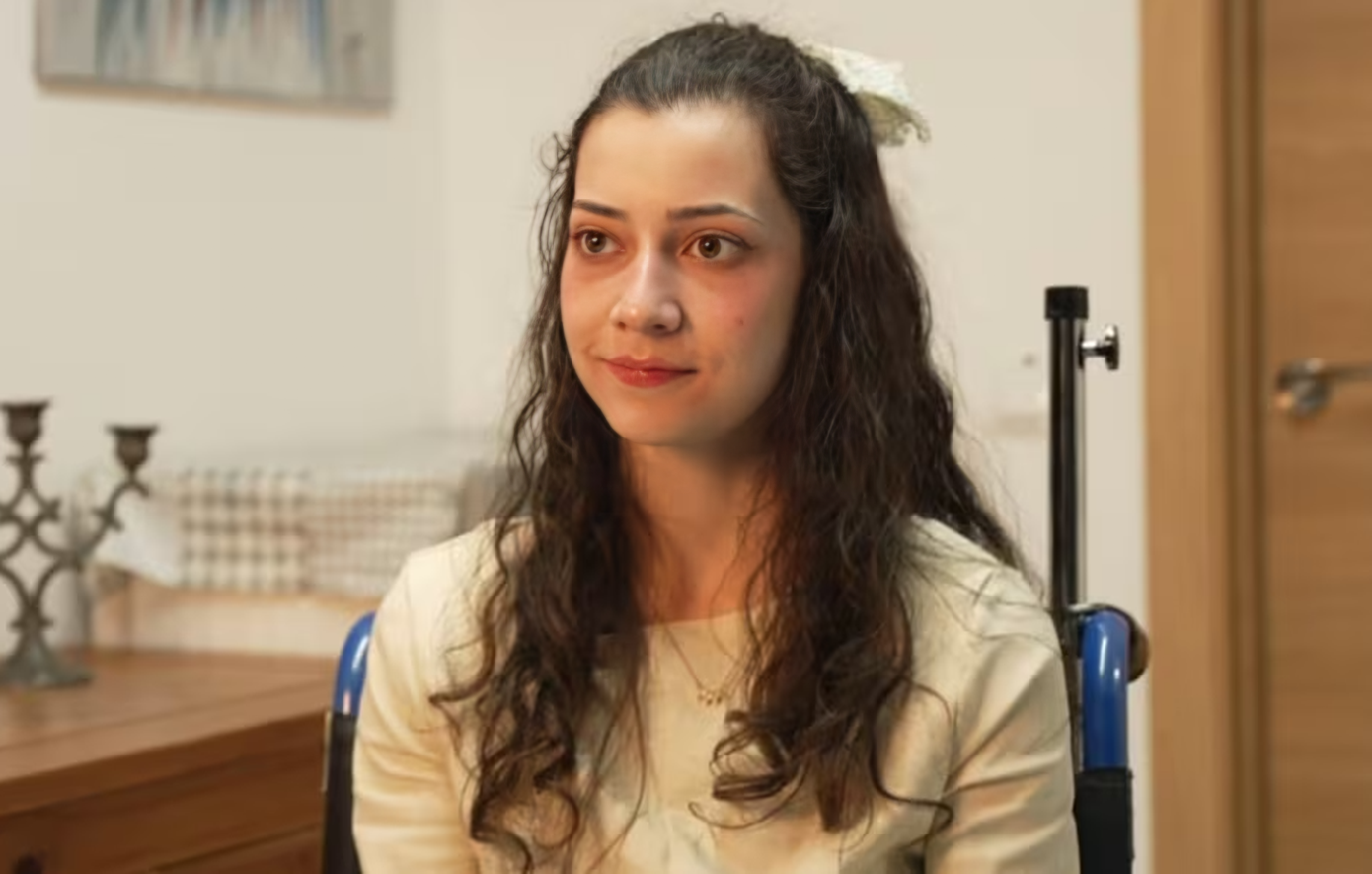
The issue of medically assisted death of 25-year-old Spanish national Noelia Castillo has sparked a diplomatic incident between Spain and the United States. Castillo’s case brings to the forefront the already strained relations between the two countries.

According to several reports, including those in the New York Post and Spanish media outlets, the U.S. State Department reportedly asked the U.S. embassy in Madrid to investigate how the Spanish authorities handled the Castillo case and to convey Washington’s “serious concerns” about alleged “systematic human rights violations.”

Officials expressed their worry about how the Spanish police and judiciary managed Castillo’s past trauma, including a gang rape she suffered, and how they dealt with her statement expressing hesitation about undergoing euthanasia.

Castillo, paraplegic after a suicide attempt in 2022, fought a long legal battle to receive medically assisted death under the Spanish euthanasia law.

She ultimately succeeded, thanks to rulings by Spanish courts, including the Superior Court of Catalonia. Her case sparked widespread public debate as conservative right-wing groups in Spain attempted to block her request for medically assisted death through the courts.

Spanish authorities responded quickly to the U.S. move. Health Minister Mónica García called the U.S. investigation “unacceptable” and urged Trump to stop “sticking his nose” into Spain’s internal affairs.

She emphasized the defense of the Spanish healthcare system and legal framework, pointing out that euthanasia is legally regulated, evaluated by clinical committees, and validated by the courts. She also highlighted that Spanish safeguards demonstrate respect for human rights, unlike certain challenges in the U.S.

The dispute over Castillo’s euthanasia increases the existing diplomatic tension. Relations between Madrid and Washington have remained strained lately due to Spain’s opposition to U.S. military action in Iran and disagreements on foreign policy issues.

In Catalonia, President Salvador Illa defended the healthcare professionals involved in the Castillo case and reiterated support for the right to so-called “dignified euthanasia,” describing the Spanish euthanasia framework as one of the most “advanced” worldwide.

This latest confrontation underscores the delicate balance in Spain-U.S. relations. For Madrid, Washington’s intervention appears to be an export of political concerns into an internal social policy issue. For Washington, the case represents a human rights matter worthy of attention and investigation.

Share:
Stefanos Banos
Stefanos Banos

Stefanos Banos was born in Piraeus and is an editor at NewsFire.GR, specializing in political analysis and international relations. He graduated from the Department of Communication and Media at the University of Bremen in Germany, where he also completed his Master of Arts in Communication and Media Studies. Married to Zoi, he is a proud father of three boys.

The issue of medically assisted death of 25-year-old Spanish national Noelia Castillo has sparked a diplomatic incident between Spain and the United States. Castillo’s case brings to the forefront the already strained relations between the two countries.

According to several reports, including those in the New York Post and Spanish media outlets, the U.S. State Department reportedly asked the U.S. embassy in Madrid to investigate how the Spanish authorities handled the Castillo case and to convey Washington’s “serious concerns” about alleged “systematic human rights violations.”

Officials expressed their worry about how the Spanish police and judiciary managed Castillo’s past trauma, including a gang rape she suffered, and how they dealt with her statement expressing hesitation about undergoing euthanasia.

Castillo, paraplegic after a suicide attempt in 2022, fought a long legal battle to receive medically assisted death under the Spanish euthanasia law.

She ultimately succeeded, thanks to rulings by Spanish courts, including the Superior Court of Catalonia. Her case sparked widespread public debate as conservative right-wing groups in Spain attempted to block her request for medically assisted death through the courts.

Spanish authorities responded quickly to the U.S. move. Health Minister Mónica García called the U.S. investigation “unacceptable” and urged Trump to stop “sticking his nose” into Spain’s internal affairs.

She emphasized the defense of the Spanish healthcare system and legal framework, pointing out that euthanasia is legally regulated, evaluated by clinical committees, and validated by the courts. She also highlighted that Spanish safeguards demonstrate respect for human rights, unlike certain challenges in the U.S.

The dispute over Castillo’s euthanasia increases the existing diplomatic tension. Relations between Madrid and Washington have remained strained lately due to Spain’s opposition to U.S. military action in Iran and disagreements on foreign policy issues.

In Catalonia, President Salvador Illa defended the healthcare professionals involved in the Castillo case and reiterated support for the right to so-called “dignified euthanasia,” describing the Spanish euthanasia framework as one of the most “advanced” worldwide.

This latest confrontation underscores the delicate balance in Spain-U.S. relations. For Madrid, Washington’s intervention appears to be an export of political concerns into an internal social policy issue. For Washington, the case represents a human rights matter worthy of attention and investigation.