Spain’s Migrant Surge and Germany’s Tight Race Signal European Shift
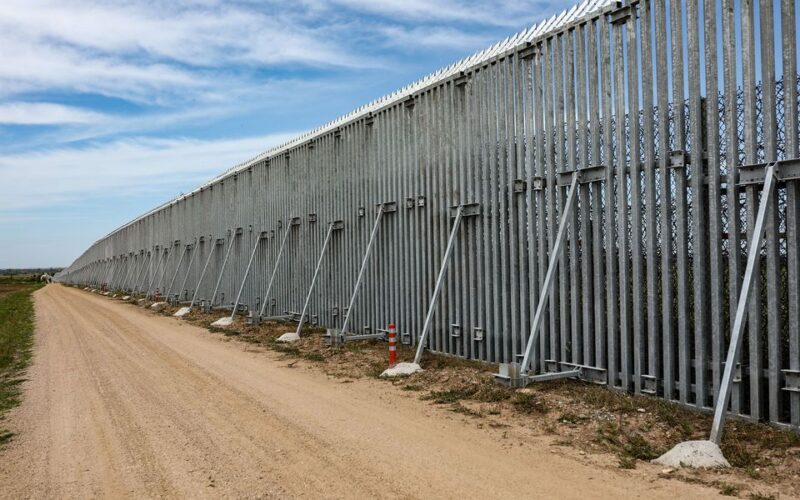
A surge of over 70,000 migrants into Spain's Ceuta enclave has triggered a security crisis testing Spain's stability and the EU's border defenses.


More than 70,000 migrants crossed into Ceuta from Morocco in a mass wave at the end of July, overwhelming local police and municipal authorities. Although the numbers have declined since the peak, the enclave continues to struggle with outbreaks of violence and criminal activity linked to the influx.
Pedro Sánchez, Spain’s Prime Minister, has faced public protests in cities across the country as the crisis unfolds. The situation in Ceuta underscores broader vulnerabilities in the EU’s external border management and raises questions about coordination with North African states on migration enforcement.
Tim Röhn, Senior Editor of the Axel Springer Global Reporters Network, has reported extensively from Ceuta and provided analysis on the escalating situation for Politico Europe. His reporting highlights the strain on local resources and the growing frustration among Spanish citizens over border security failures.
Germany Faces Far-Right Electoral Breakthrough
Meanwhile, Germany is bracing for a potentially historic political shift. This weekend’s election in the eastern state of Saxony-Anhalt could see the Alternative for Germany party form a regional government, marking the first time a far-right party has held executive power in Germany since the Second World War.
Anne McElvoy, writing for Politico Europe, has been reporting from the state on how two chancellors, Friedrich Merz and Angela Merkel, have lost the old East. The electoral dynamics reflect deepening discontent in eastern Germany and could have ramifications for national leadership.
Josef Forster, politics editor at BILD, joined the analysis to discuss what might follow for Germany’s political establishment if the far-right secures power at the regional level.
With information from Politico Europe