Necessary Cookies

Required for the site to function. Cannot be disabled.

Analytics Cookies

Help us understand how visitors interact with our site (Google Analytics via GTM).

Marketing Cookies

Used to track visitors and deliver personalised advertisements.

We use cookies to enhance your browsing experience and analyse site traffic. By clicking Accept All, you consent to our use of cookies. Privacy Policy
NewsFire Global
Home News Europe World Christianity Culture Wars Opinion Video
Information
About Us Authors Advertising Terms & Conditions Privacy Policy Contact
R2B Media
R2B NEWSFIRE.GR PAPAFOTIS.GR THRACTION HELLENIC CONSERVATIVES RIGHT2THEBONE YT
News Europe

Austrian Minister refuses Syrian deportations: “Who will clean hospitals?”

Austria's Interior Minister rejected mass deportation of Syrians, stating the majority of over 100,000 will remain permanently despite only 2,000 returning since Assad's fall.

Dimitris Papafotis
Dimitris Papafotis Editor in Chief
JUNE 24, 2026 AT 1:10 AM

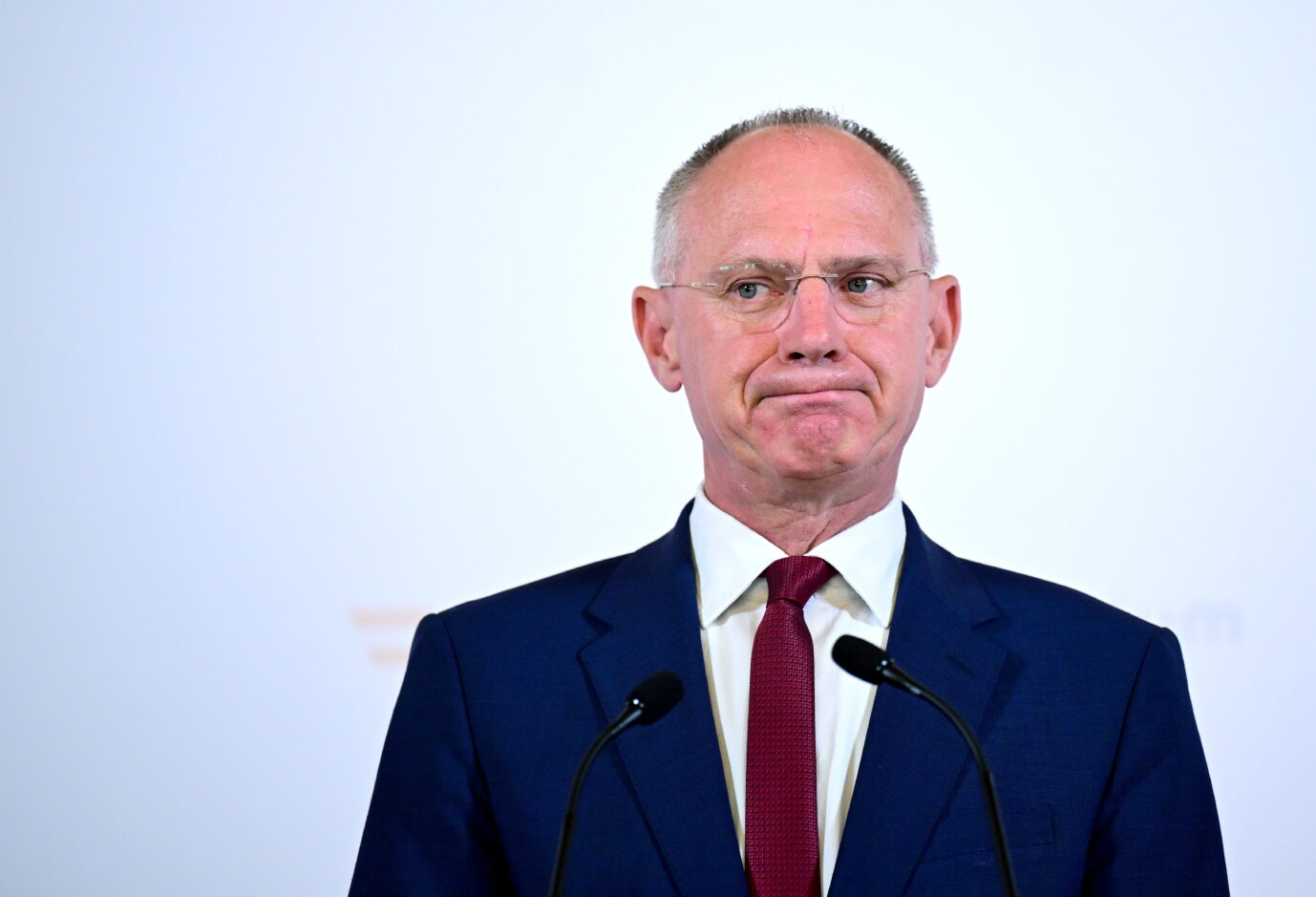
Gerhard Karner of the Austrian People’s Party told news magazine profil that a complete return of Syrians to their homeland is neither realistic nor sensible, according to Junge Freiheit. Since the collapse of the Assad regime in December 2024, Austrian policymakers have debated how many Syrian citizens would stay permanently, return voluntarily, or face deportation.

More than 100,000 Syrian nationals now reside in Austria. Since the end of the Syrian conflict, only 2,000 have returned to Syria, Karner revealed. The Austrian state has supported 1,500 of these returns with payments of 1,000 euros each, totaling 1.5 million euros in expenditures. Despite this financial incentive, the anticipated wave of returnees never materialized.

Minimal Return Numbers

In the first quarter of 2026 alone, 270 Syrians returned home, Karner stated. Extrapolated to a full year, this represents less than one percent of Austria’s Syrian population. The interior minister expects the majority to remain in Austria long-term, particularly those who have lived in the country for several years without criminal records.

Karner characterized many migrants as having become a valuable part of society. He emphasized that a large portion are willing to integrate and work, though he acknowledged more could be demanded and supported in this regard. The minister explicitly rejected calls from Freedom Party leader Herbert Kickl for temporary asylum and remigration policies.

Hospital Cleaning and Integration

Defending his position against complete repatriation, Karner questioned how certain hospitals would maintain cleaning services without Syrian workers. He insisted that many migrants have become a valuable component of Austrian society and that this contribution cannot be denied.

The interior minister stated his deportation priorities would focus on criminal Syrians who have completed their sentences in Austria. These forced returns are to be accelerated, with telephone and personal discussions already conducted with Syria’s new interior minister to facilitate the process.

Family Reunification Restrictions to Continue

Austria’s freeze on family reunification from Syria expires this autumn and must be replaced with a quota system. Karner pledged to keep this quota low and announced plans to examine whether reunification of wives and children could be made conditional on the integration performance of fathers already living in Austria.

The proposal is expected to generate controversy within the governing coalition with the Social Democratic Party. Karner defended the existing family reunification freeze by pointing to youth crime and school problems. He noted that the number of elementary school children unable to speak German at enrollment has declined significantly, attributing this improvement partly to restrictions on family reunification.

With information from Junge Freiheit
Share:
Dimitris Papafotis
Dimitris Papafotis

Dimitris Papafotis is the editor-in-chief of NewsFire.GR. He was born and raised in Athens. He studied at the Journalism Workshop (1991-1993). He currently lives in Pyrgos, Ilia, where he has been active in radio and various newspapers, while also maintaining his personal blog, Papafotis.gr.

Gerhard Karner of the Austrian People’s Party told news magazine profil that a complete return of Syrians to their homeland is neither realistic nor sensible, according to Junge Freiheit. Since the collapse of the Assad regime in December 2024, Austrian policymakers have debated how many Syrian citizens would stay permanently, return voluntarily, or face deportation.

More than 100,000 Syrian nationals now reside in Austria. Since the end of the Syrian conflict, only 2,000 have returned to Syria, Karner revealed. The Austrian state has supported 1,500 of these returns with payments of 1,000 euros each, totaling 1.5 million euros in expenditures. Despite this financial incentive, the anticipated wave of returnees never materialized.

Minimal Return Numbers

In the first quarter of 2026 alone, 270 Syrians returned home, Karner stated. Extrapolated to a full year, this represents less than one percent of Austria’s Syrian population. The interior minister expects the majority to remain in Austria long-term, particularly those who have lived in the country for several years without criminal records.

Karner characterized many migrants as having become a valuable part of society. He emphasized that a large portion are willing to integrate and work, though he acknowledged more could be demanded and supported in this regard. The minister explicitly rejected calls from Freedom Party leader Herbert Kickl for temporary asylum and remigration policies.

Hospital Cleaning and Integration

Defending his position against complete repatriation, Karner questioned how certain hospitals would maintain cleaning services without Syrian workers. He insisted that many migrants have become a valuable component of Austrian society and that this contribution cannot be denied.

The interior minister stated his deportation priorities would focus on criminal Syrians who have completed their sentences in Austria. These forced returns are to be accelerated, with telephone and personal discussions already conducted with Syria’s new interior minister to facilitate the process.

Family Reunification Restrictions to Continue

Austria’s freeze on family reunification from Syria expires this autumn and must be replaced with a quota system. Karner pledged to keep this quota low and announced plans to examine whether reunification of wives and children could be made conditional on the integration performance of fathers already living in Austria.

The proposal is expected to generate controversy within the governing coalition with the Social Democratic Party. Karner defended the existing family reunification freeze by pointing to youth crime and school problems. He noted that the number of elementary school children unable to speak German at enrollment has declined significantly, attributing this improvement partly to restrictions on family reunification.

With information from Junge Freiheit