
Austrian Muslims Plan to Simply Ignore School Headscarf Ban
Austria's headscarf ban for schoolgirls under 14 faces resistance from Muslim communities, with teachers' unions warning of confrontations and up to 12,000 students affected.
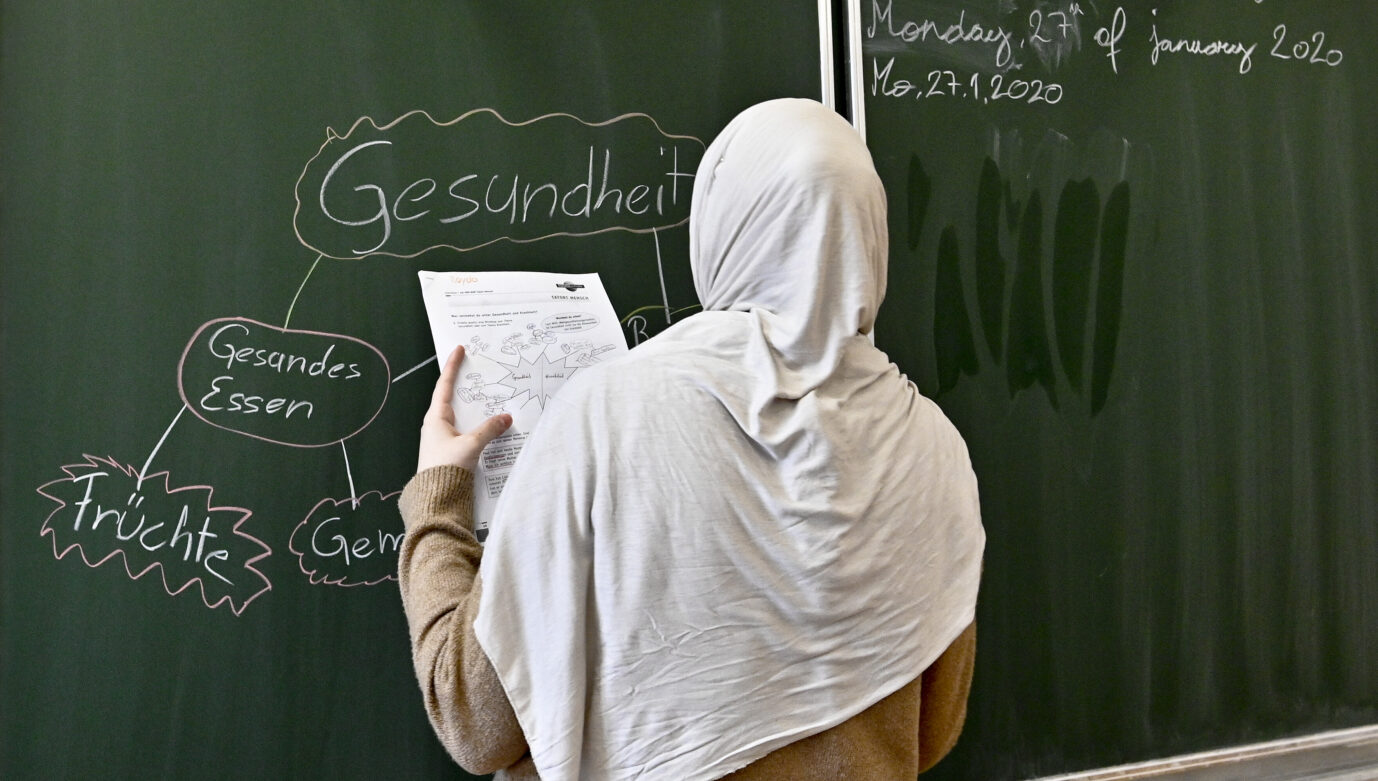

Several Muslim communities have announced they will not comply with the prohibition, which came into force with the start of the new school term, according to Junge Freiheit. The law prohibits girls from wearing Islamic head coverings in school until they reach the age of 14, which corresponds to the age of religious maturity under Austrian law.
Paul Kimberger, chairman of Austria’s Christian teachers’ union, warned authorities that significant conflicts lie ahead. He told media outlets that some communities have already made contact to declare their intention to ignore the ban. Up to 12,000 schoolgirls across Austria could be affected by the measure, according to estimates.
While Kimberger supports the ban as a tool against political Islam, he has demanded that school and security authorities provide backing for teachers and principals who will be enforcing it. Educators must not be left alone when confrontations with families arise, he stressed, noting that attempting to reason with Salafists about the headscarf ban would be futile.
Enforcement System and Penalties
The law establishes a graduated enforcement procedure. If a student violates the ban, teachers are required to intervene first, then inform school leadership. School officials must then hold discussions with the girl and her parents.
If the headscarf remains in place despite these interventions, the case escalates to the regional education directorate. Parents who continue to defy the ban face administrative fines ranging from 150 to 800 euros. However, the law explicitly prohibits forcibly removing a headscarf from a student against her will.
Austria’s Education Ministry has distributed implementation guidelines to schools, making clear in a circular that the regulation is legally mandatory and schools have no discretionary authority. Teachers or principals who fail to enforce the ban or do not report violations commit a breach of duty, according to the ministry’s instructions.
Uneven Preparation Across Schools
Preparation levels vary considerably across Austrian schools. While some institutions informed affected parents as early as spring, teachers at problem schools in Vienna reported receiving no concrete instructions even shortly before the school year commenced, as Junge Freiheit reports.
Former teacher and author Susanne Wiesinger has also anticipated confrontations, warning that anger from affected parents and children could be directed at teachers. Nevertheless, she defends the prohibition as a matter of child protection and equal treatment. Underage girls frequently wear headscarves not from completely free choice but due to family or social pressure, she argues.
Legal Battles Ahead
Austria previously attempted to ban headscarves for schoolgirls in 2019 under the ÖVP-FPÖ coalition government. The Constitutional Court later struck down that regulation for violating the principle of equal treatment.
The new ban faces strong opposition from the Islamic Religious Community (IGGÖ), Austria’s largest Muslim representative body, which has labeled the measure unconstitutional and a violation of human rights. The organization has announced plans to challenge it before the Constitutional Court. A legal opinion commissioned by the IGGÖ has concluded that the ban violates equality principles.
With information from Junge Freiheit





