Necessary Cookies

Required for the site to function. Cannot be disabled.

Analytics Cookies

Help us understand how visitors interact with our site (Google Analytics via GTM).

Marketing Cookies

Used to track visitors and deliver personalised advertisements.

We use cookies to enhance your browsing experience and analyse site traffic. By clicking Accept All, you consent to our use of cookies. Privacy Policy
NewsFire Global
Home News Europe World Christianity Culture Wars Opinion Video
Information
About Us Authors Advertising Terms & Conditions Privacy Policy Contact
R2B Media
R2B NEWSFIRE.GR PAPAFOTIS.GR THRACTION HELLENIC CONSERVATIVES RIGHT2THEBONE YT
News World

Washington Squandered Critical Syria Leverage

The Trump administration removed Syria from the terrorism list to reshape Middle East alliances but may have surrendered negotiating leverage without securing guarantees.

AUGUST 29, 2026 AT 4:24 PM

Secretary of State Marco Rubio announced Monday that Syria’s terrorism designation has been rescinded following the mandatory 45-day congressional review period. In parallel, the State Department delisted Hay’at Tahrir al Sham from its terrorist organizations registry.

The State Department characterized the decisions as offering the Syrian people a pathway toward economic recovery, noting what it called unprecedented sanctions relief measures designed to benefit ordinary Syrians.

Syria first earned its terrorism sponsor designation in 1979, a label fully warranted by its conduct at the time.

Throughout the 1950s and 1960s, Damascus served as a regional center for the Muslim Brotherhood. The Syrian capital became a launching pad for terrorist operations, hosting organizations including Fatah and the Democratic Front for the Liberation of Palestine, which used Syrian territory as a base for strikes against Israel.

As the Soviet Union’s most reliable Middle Eastern partner, Syria established itself as perhaps the region’s most inflexible military dictatorship. While Egypt and Jordan eventually normalized relations with Israel, Damascus refused any accommodation.

Syria subsequently joined Iran’s so-called Axis of Resistance, providing sanctuary to Tehran’s proxy forces across the region. Syrian intelligence services were implicated in the 2005 murder of Lebanese Prime Minister Rafik Hariri, who had campaigned to end Syria’s decades-long military occupation of Lebanon.

When the Arab Spring reached Syria in 2011, dictator Bashar Assad clung to power with backing from Moscow and Tehran, slaughtering his own population to maintain control.

By December 2024, however, with Israel systematically dismantling Iranian proxy networks and Russia consumed by its Ukraine invasion, Assad was toppled. Ahmed al Sharaa, a former al Qaeda in Iraq operative who led the HTS offshoot, captured Damascus in an 11-day campaign.

Washington now sees potential for recalibrating relations with a longtime adversary. The Assad dynasty, with its Russian and Iranian patronage, has been swept away. Al Sharaa, aligned with Turkey, a NATO member, has replaced them.

The second Trump administration viewed this transition as an opening too valuable to ignore and initiated steps toward reintegrating Syria into the Western-led international system. Sanctions removal forms a central component of this strategy.

The White House aims to establish influence with Syria’s new government, according to an analysis by Washington Examiner. Al Sharaa now controls a state bordering American allies Jordan and Israel, and Syria has historically played a disruptive role in Lebanon, where the Trump administration seeks to broker a peace accord between Beirut and Jerusalem.

Trump’s approach includes maintaining positive ties with Turkish President Recep Tayyip Erdogan. Turkey’s regional influence is expanding, and Ankara has positioned itself as a potential check on both Tehran and Moscow.

Yet Erdogan harbors imperial aspirations of his own. His AK Party traces its roots to the Muslim Brotherhood. In 2020, Erdogan declared Jerusalem belongs to Turkey, while his Foreign Minister Hakan Fidan has provided safe haven and assistance to Hamas operatives.

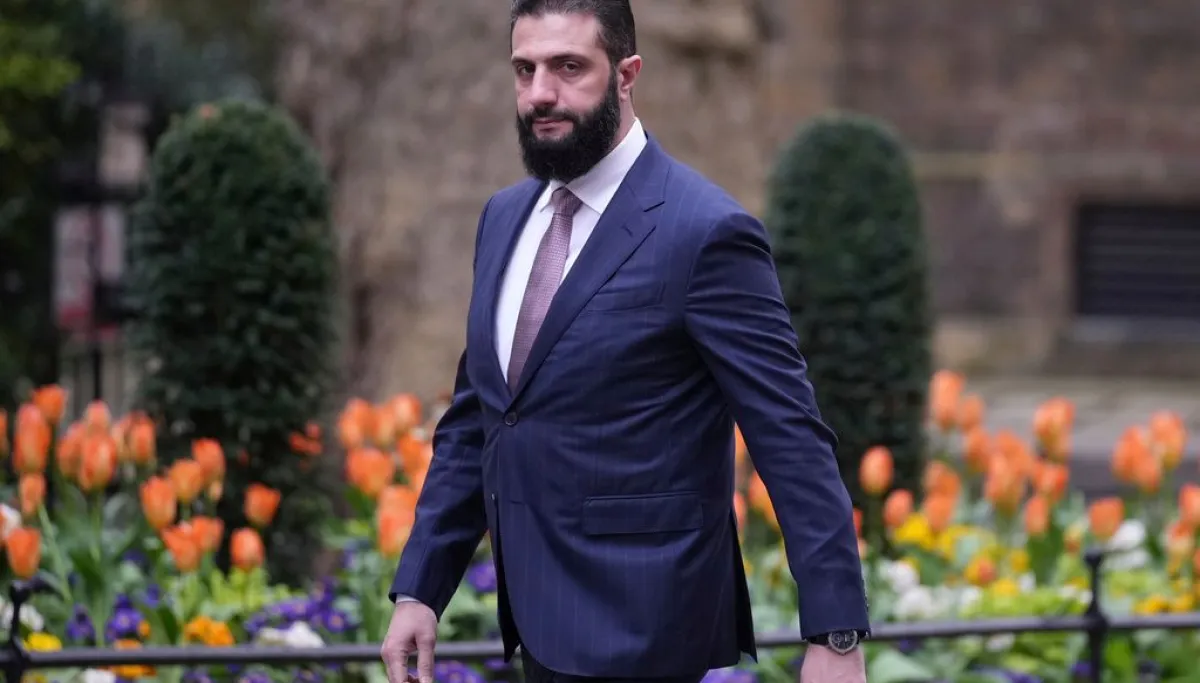
Al Sharaa, now Erdogan’s man in Damascus, previously carried a U.S. bounty on his head. He has adopted Western attire, addressed the United Nations, and made recent gestures toward incorporating minority populations such as the Kurds into his administration. Whether he has genuinely abandoned his radical ideology remains uncertain.

Leverage Surrendered Without Guarantees

The Trump administration is wagering that al Sharaa has discarded his extremist past and that accommodating his Turkish sponsor serves American interests better than confrontation.

A more prudent approach would have preserved sanctions relief as bargaining leverage to ensure both Erdogan and al Sharaa demonstrate sustained good conduct before receiving concessions.

Instead, Washington can now only hope that neither Erdogan nor al Sharaa reverts to the patterns of behavior they have previously exhibited. That represents a significant gamble with potentially serious consequences for American interests and regional stability.

With information from Washington Examiner

Share:
Eleni Papadaki-Van Der Merwe

She was born in 1986 in Johannesburg, South Africa. She is the granddaughter of an immigrant from Crete who settled in the Greek community of Johannesburg (one of the largest in Africa). She holds a bachelor’s degree in International Relations and Political Science from the University of the Witwatersrand (Wits) in Johannesburg and a master’s degree in Journalism from Rhodes University in Grahamstown. She began her career at English-language media outlets in Johannesburg, covering politics and economics, with a focus on issues related to migration and the diaspora. She moved to Athens in 2015 to “return to her roots,” initially to pursue graduate studies, and has remained there permanently. She is married to an Afrikaner; they have two children and live in the southern suburbs of Athens.

Secretary of State Marco Rubio announced Monday that Syria’s terrorism designation has been rescinded following the mandatory 45-day congressional review period. In parallel, the State Department delisted Hay’at Tahrir al Sham from its terrorist organizations registry.

The State Department characterized the decisions as offering the Syrian people a pathway toward economic recovery, noting what it called unprecedented sanctions relief measures designed to benefit ordinary Syrians.

Syria first earned its terrorism sponsor designation in 1979, a label fully warranted by its conduct at the time.

Throughout the 1950s and 1960s, Damascus served as a regional center for the Muslim Brotherhood. The Syrian capital became a launching pad for terrorist operations, hosting organizations including Fatah and the Democratic Front for the Liberation of Palestine, which used Syrian territory as a base for strikes against Israel.

As the Soviet Union’s most reliable Middle Eastern partner, Syria established itself as perhaps the region’s most inflexible military dictatorship. While Egypt and Jordan eventually normalized relations with Israel, Damascus refused any accommodation.

Syria subsequently joined Iran’s so-called Axis of Resistance, providing sanctuary to Tehran’s proxy forces across the region. Syrian intelligence services were implicated in the 2005 murder of Lebanese Prime Minister Rafik Hariri, who had campaigned to end Syria’s decades-long military occupation of Lebanon.

When the Arab Spring reached Syria in 2011, dictator Bashar Assad clung to power with backing from Moscow and Tehran, slaughtering his own population to maintain control.

By December 2024, however, with Israel systematically dismantling Iranian proxy networks and Russia consumed by its Ukraine invasion, Assad was toppled. Ahmed al Sharaa, a former al Qaeda in Iraq operative who led the HTS offshoot, captured Damascus in an 11-day campaign.

Washington now sees potential for recalibrating relations with a longtime adversary. The Assad dynasty, with its Russian and Iranian patronage, has been swept away. Al Sharaa, aligned with Turkey, a NATO member, has replaced them.

The second Trump administration viewed this transition as an opening too valuable to ignore and initiated steps toward reintegrating Syria into the Western-led international system. Sanctions removal forms a central component of this strategy.

The White House aims to establish influence with Syria’s new government, according to an analysis by Washington Examiner. Al Sharaa now controls a state bordering American allies Jordan and Israel, and Syria has historically played a disruptive role in Lebanon, where the Trump administration seeks to broker a peace accord between Beirut and Jerusalem.

Trump’s approach includes maintaining positive ties with Turkish President Recep Tayyip Erdogan. Turkey’s regional influence is expanding, and Ankara has positioned itself as a potential check on both Tehran and Moscow.

Yet Erdogan harbors imperial aspirations of his own. His AK Party traces its roots to the Muslim Brotherhood. In 2020, Erdogan declared Jerusalem belongs to Turkey, while his Foreign Minister Hakan Fidan has provided safe haven and assistance to Hamas operatives.

Al Sharaa, now Erdogan’s man in Damascus, previously carried a U.S. bounty on his head. He has adopted Western attire, addressed the United Nations, and made recent gestures toward incorporating minority populations such as the Kurds into his administration. Whether he has genuinely abandoned his radical ideology remains uncertain.

Leverage Surrendered Without Guarantees

The Trump administration is wagering that al Sharaa has discarded his extremist past and that accommodating his Turkish sponsor serves American interests better than confrontation.

A more prudent approach would have preserved sanctions relief as bargaining leverage to ensure both Erdogan and al Sharaa demonstrate sustained good conduct before receiving concessions.

Instead, Washington can now only hope that neither Erdogan nor al Sharaa reverts to the patterns of behavior they have previously exhibited. That represents a significant gamble with potentially serious consequences for American interests and regional stability.

With information from Washington Examiner