Veterans groups slam Pentagon casualty distinctions blur
Veterans groups warn the Pentagon's division of Iran conflict casualties into two categories may obscure war costs and undermine oversight, with 18 deaths and 685 wounded split across operations.
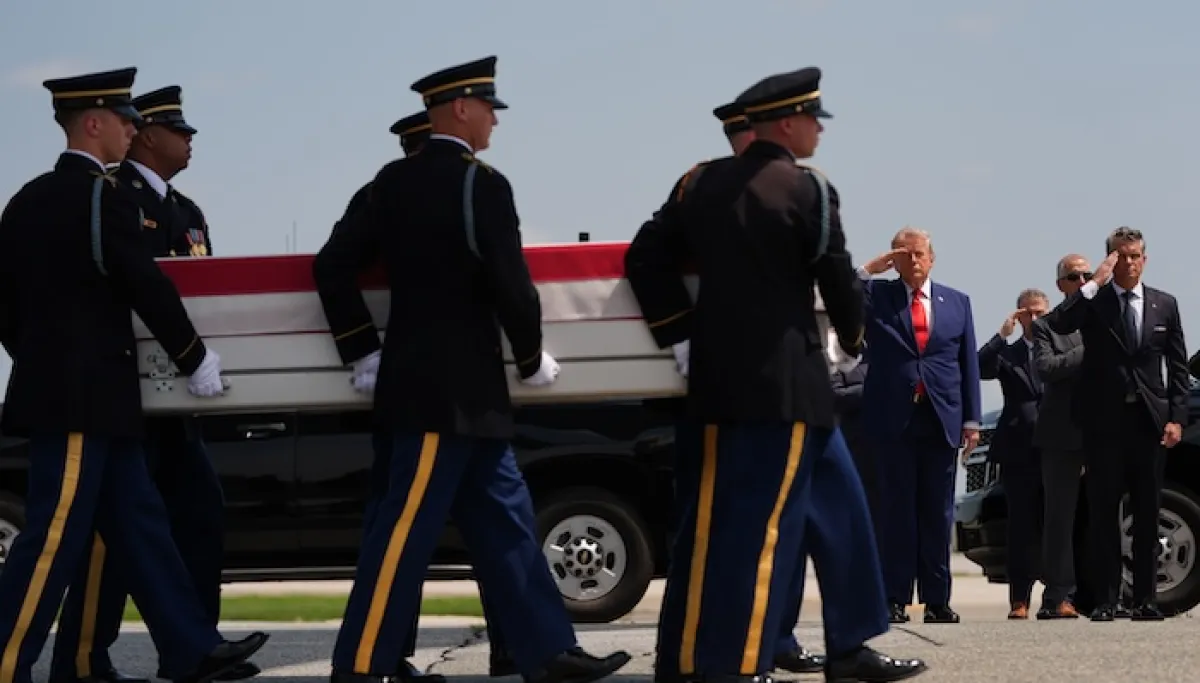

According to Mike Brest writing in Washington Examiner, the Defense Casualty Analysis System has divided what veterans groups view as a single war in Iran into two separate categories, creating what critics say is unnecessary confusion about American losses.
The Pentagon’s database currently splits the conflict that began on February 28, 2026, into two distinct entries. The first phase, designated “Operation Epic Fury,” runs from that date through July 6. Everything thereafter falls under a broad label called “Overseas Operations,” which covers July 7 to the present and receives daily updates.

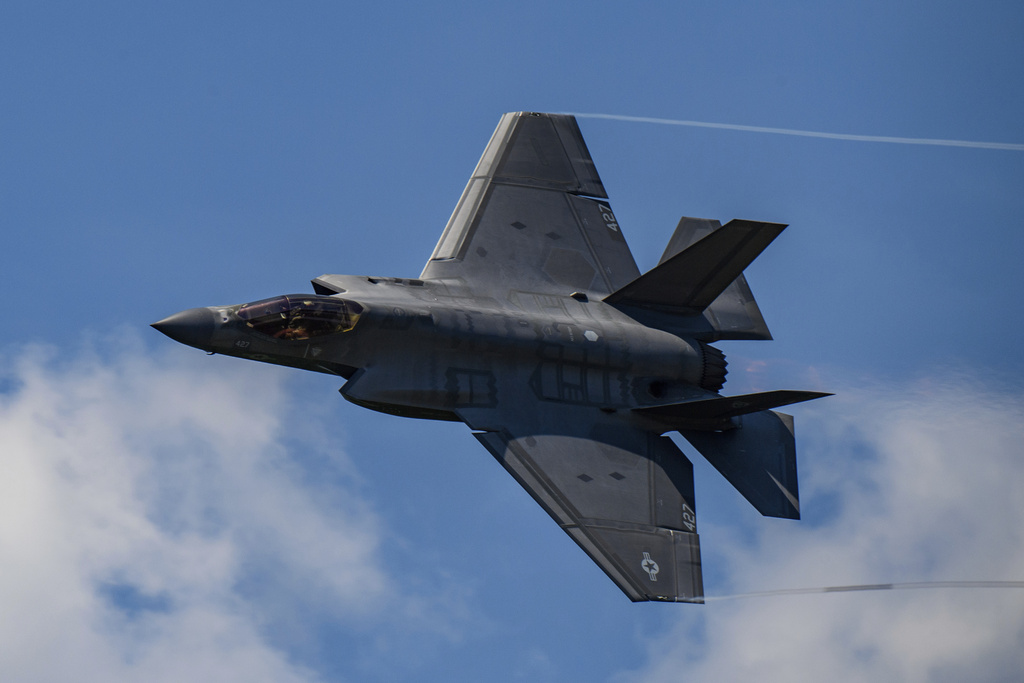
Eighteen American service members have been killed since hostilities began. Fourteen deaths occurred during what the Defense Casualty Analysis System defines as Operation Epic Fury, while four happened after that operation officially concluded. The wounded total stands at 685, comprising 417 injured during Epic Fury and another 268 since July 7.
A War Department official explained that once Operation Epic Fury ended, the Department began classifying casualties under overseas operations in the CENTCOM area of responsibility.
Constitutional Concerns Over War Powers
The July 7 cutoff date corresponds with President Donald Trump’s formal notification to Congress about renewed hostilities with Iran under the War Powers Act. That legislation requires presidential authorization for military operations to receive congressional approval within 60 days, or the commander-in-chief must either terminate action or request a 30-day extension. The administration maintains the initial 60-day window closed when a ceasefire took effect in April.
Tyler Koteskey, Policy Director at Concerned Veterans for America, warned that allowing the executive branch to reclassify a single conflict as multiple separate operations sets a dangerous precedent. Our Founders gave Congress war powers because they believed decisions about war demanded public debate and legislative oversight, he noted, adding that congressional responsibility becomes severely weakened when such reclassification occurs.
Database Confusion Following Recent Deaths
Questions about database accuracy intensified following four American deaths earlier this month during renewed combat between U.S. forces and the Iranian Islamic Revolutionary Guard Corps. Three service members died in an Iranian attack on a U.S. base in Jordan, while a fourth perished during efforts to safely detonate a downed Iranian drone at a U.S. facility in Iraq.
The Pentagon initially failed to update casualty figures after these deaths were announced. When updates eventually appeared, the numbers briefly reverted to previous totals before the new “Overseas Operations” category emerged.
John Byrnes, Strategic Director at Concerned Veterans for America, expressed concern that current reporting decisions establish precedents for the future. If Overseas Operations becomes a catch-all category, he argued, distinguishing between combat casualties, operational injuries, and other incidents becomes increasingly difficult for both Congress and the American people.
Precedent Versus Political Convenience
Pentagon officials initially blamed the confusion on temporary data disruptions and site anomalies that were being addressed.
Byrnes emphasized that casualty reporting following political narratives rather than battlefield reality creates fundamental problems. Dividing casualties into different operational categories does not reduce the actual cost of war, he stated, noting that service members experienced one conflict and the American people witnessed one conflict.
While breaking conflicts into different phases is not unprecedented—Afghanistan transitioned from Operation Enduring Freedom to Operation Freedom Sentinel in 2014—veterans groups see crucial differences in the Iran situation.
Jerritt Lynn, Director of Membership and Communications at Iraq and Afghanistan Veterans of America, highlighted the key concern: the transition from Operation Epic Fury did not lead to another named operation with defined authorities, permissions, and funding. Instead, casualties now fall under what he described as a nebulous overseas operations designation.
Lynn noted that his organization’s members overwhelmingly support congressional oversight of combat operations overseas, making the current classification approach particularly troubling for those concerned about the strategic and operational transparency of ongoing military engagement.
With information from Washington Examiner