Necessary Cookies

Required for the site to function. Cannot be disabled.

Analytics Cookies

Help us understand how visitors interact with our site (Google Analytics via GTM).

Marketing Cookies

Used to track visitors and deliver personalised advertisements.

We use cookies to enhance your browsing experience and analyse site traffic. By clicking Accept All, you consent to our use of cookies. Privacy Policy
NewsFire Global
Home News Europe World Christianity Culture Wars Opinion
Information
About Us Authors Advertising Terms & Conditions Privacy Policy Contact
R2B Media
R2B NEWSFIRE.GR PAPAFOTIS.GR THRACTION HELLENIC CONSERVATIVES RIGHT2THEBONE YT
News World

US Imposes Harsh Sanctions on Iran, Strictly Warning Banks

The US warned of unleashing full "Economic Fury" on Iran by ending oil sanction waivers and threatening secondary sanctions on foreign banks backing Tehran’s terrorism, intensifying financial pressure.
Stefanos Banos
Stefanos Banos Staff Writer
APRIL 15, 2026 AT 11:43 AM Updated: May 17, 2026 11:37 AM

The United States warned on Tuesday that it will unleash its full “Economic Fury” against Iran by ending the temporary suspension of sanctions on Iranian oil at sea.

They also threatened to take action against foreign banks supporting Iran’s terrorist activities.

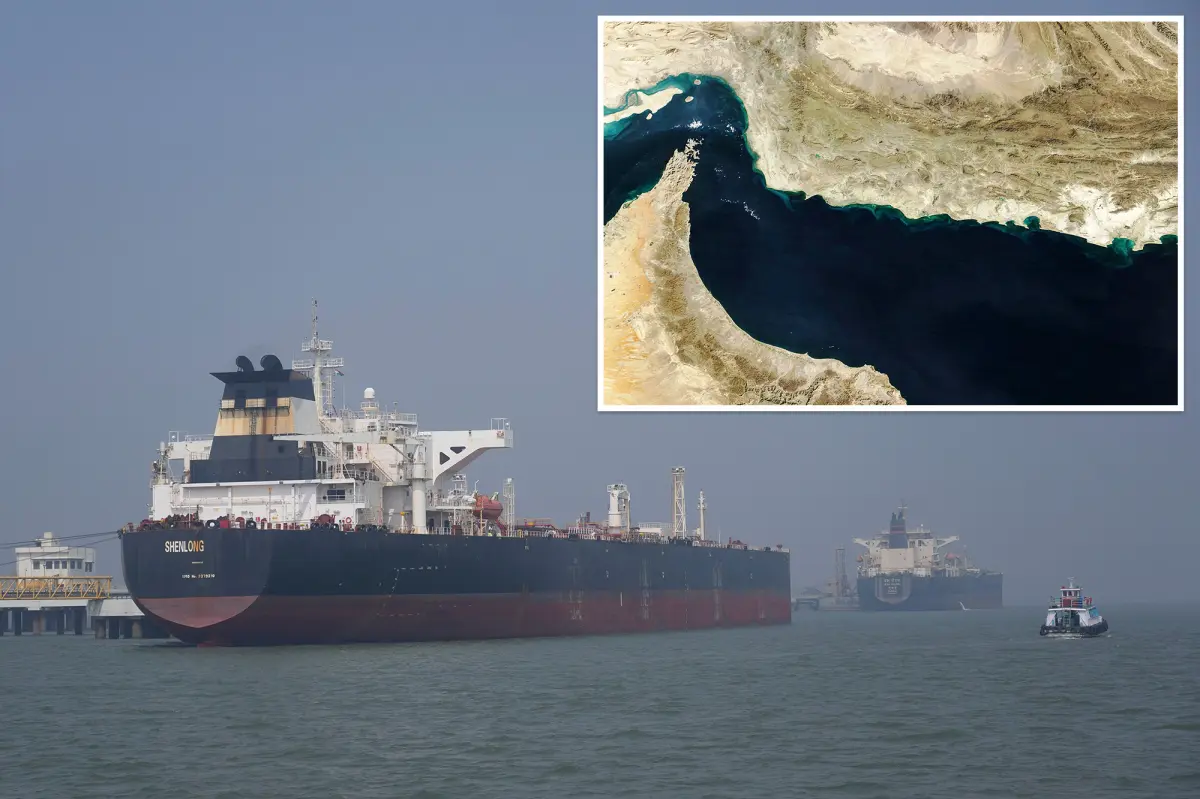
After the first day of the U.S. blockade in the Strait of Hormuz, the U.S. Treasury Department signaled that it will not renew the 30-day exemption on sanctions for Iranian oil at sea, which expires this week.

“The Treasury is acting aggressively with Economic Fury, maintaining maximum pressure on Iran,” the agency said in a statement, referring to Operation Epic Fury, the current U.S. military campaign in the Middle East.


“The short-term authorization allowing the sale of Iranian oil already held at sea is set to expire in a few days and will not be renewed,” the department stated.

The Treasury had allowed approximately 140 million barrels of Iranian oil at sea to continue their shipments on March 20 to mitigate the surge in fuel prices caused by the war.

The exemption expires on April 19. The U.S. also said it will not renew the exemption for Russian oil at sea, which expired last Saturday, according to Trump administration sources who spoke to Reuters.

Both exemptions had faced criticism from American lawmakers, who argued they provided economic relief to the populations of Iran and Russia during a time of war in both countries.

Alongside ending the exemptions, the Treasury Department also applied pressure on countries and municipalities hosting banks that are allegedly aiding Iran’s financing.

“Financial institutions should consider this a notice that the department is leveraging the full spectrum of available tools and authorities and is prepared to impose secondary sanctions on foreign financial institutions that continue supporting Iran’s activities,” it said.


The department specifically sent letters warning China, Hong Kong, the United Arab Emirates, and Oman after identifying banks in these countries linked to Iran.

“I expect your swift action to identify and stop any illegal activities connected to Iran to avoid further action from the Treasury Department,” Treasury Secretary Scott Bessent wrote in the letter.

The department had previously informed banks last year that Iran had processed at least $9 billion through U.S. correspondent accounts in 2024 using shell companies in Hong Kong, the UAE, and other countries.

With news agency reports

Share:
Stefanos Banos
Stefanos Banos

Stefanos Banos was born in Piraeus and is an editor at NewsFire.GR, specializing in political analysis and international relations. He graduated from the Department of Communication and Media at the University of Bremen in Germany, where he also completed his Master of Arts in Communication and Media Studies. Married to Zoi, he is a proud father of three boys.

The United States warned on Tuesday that it will unleash its full “Economic Fury” against Iran by ending the temporary suspension of sanctions on Iranian oil at sea.

They also threatened to take action against foreign banks supporting Iran’s terrorist activities.

After the first day of the U.S. blockade in the Strait of Hormuz, the U.S. Treasury Department signaled that it will not renew the 30-day exemption on sanctions for Iranian oil at sea, which expires this week.

“The Treasury is acting aggressively with Economic Fury, maintaining maximum pressure on Iran,” the agency said in a statement, referring to Operation Epic Fury, the current U.S. military campaign in the Middle East.


“The short-term authorization allowing the sale of Iranian oil already held at sea is set to expire in a few days and will not be renewed,” the department stated.

The Treasury had allowed approximately 140 million barrels of Iranian oil at sea to continue their shipments on March 20 to mitigate the surge in fuel prices caused by the war.

The exemption expires on April 19. The U.S. also said it will not renew the exemption for Russian oil at sea, which expired last Saturday, according to Trump administration sources who spoke to Reuters.

Both exemptions had faced criticism from American lawmakers, who argued they provided economic relief to the populations of Iran and Russia during a time of war in both countries.

Alongside ending the exemptions, the Treasury Department also applied pressure on countries and municipalities hosting banks that are allegedly aiding Iran’s financing.

“Financial institutions should consider this a notice that the department is leveraging the full spectrum of available tools and authorities and is prepared to impose secondary sanctions on foreign financial institutions that continue supporting Iran’s activities,” it said.


The department specifically sent letters warning China, Hong Kong, the United Arab Emirates, and Oman after identifying banks in these countries linked to Iran.

“I expect your swift action to identify and stop any illegal activities connected to Iran to avoid further action from the Treasury Department,” Treasury Secretary Scott Bessent wrote in the letter.

The department had previously informed banks last year that Iran had processed at least $9 billion through U.S. correspondent accounts in 2024 using shell companies in Hong Kong, the UAE, and other countries.

With news agency reports