Necessary Cookies

Required for the site to function. Cannot be disabled.

Analytics Cookies

Help us understand how visitors interact with our site (Google Analytics via GTM).

Marketing Cookies

Used to track visitors and deliver personalised advertisements.

We use cookies to enhance your browsing experience and analyse site traffic. By clicking Accept All, you consent to our use of cookies. Privacy Policy
NewsFire Global
Home News Europe World Christianity Culture Wars Opinion Video
Information
About Us Authors Advertising Terms & Conditions Privacy Policy Contact
R2B Media
R2B NEWSFIRE.GR PAPAFOTIS.GR THRACTION HELLENIC CONSERVATIVES RIGHT2THEBONE YT
News World

U.S. Pushes Israel to Scale Back Military Operations

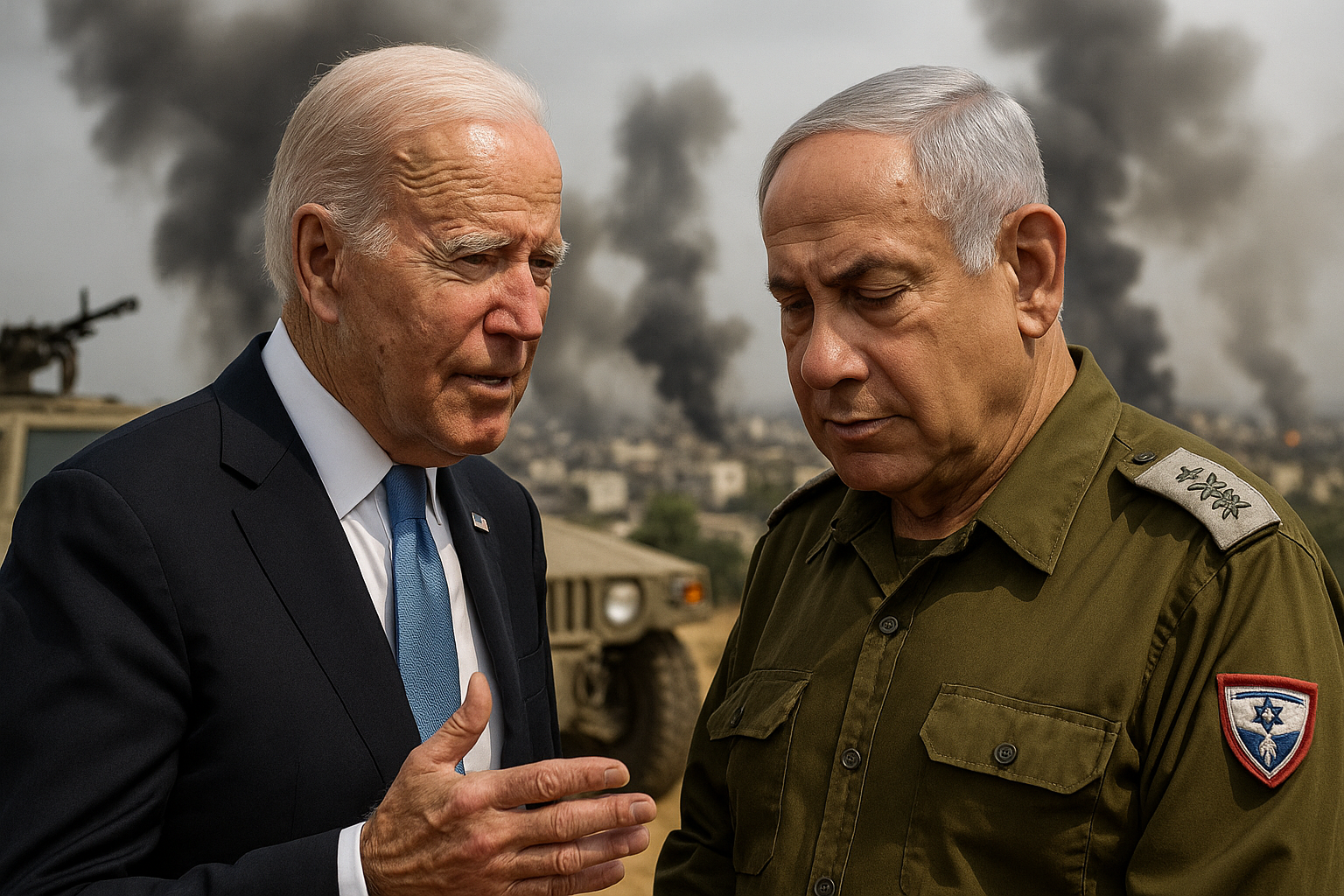
The United States is pressuring Israel to reduce military operations in Gaza, Lebanon, and against Iran amid Biden administration concerns over regional escalation and sustainability.

AUGUST 10, 2026 AT 1:17 AM

Washington is reportedly pushing Israeli leadership to curtail airstrikes, pull back forces from strategic positions in southern Lebanon, and adopt a more restrained posture toward Iran as regional tensions continue to simmer.

Biden Administration Seeks De-escalation

The pressure campaign reflects growing concern within the Biden administration over the sustainability and regional implications of Israel’s ongoing military engagements. U.S. officials are said to be advocating for a phased withdrawal from certain forward positions and a reduction in the tempo of offensive operations.

The timing of the American intervention suggests Washington is seeking to prevent further escalation that could draw additional actors into the conflict or destabilize fragile cease-fire arrangements.

Israeli Response Unclear

It remains unclear how Israeli defense and political leadership will respond to the American demands. Israel has maintained that its operations are necessary for national security and the elimination of persistent threats from militant groups and hostile state actors.

The push for de-escalation comes as Israel continues to maintain a significant military presence in parts of Gaza and along its northern border, where Hezbollah forces remain a persistent concern.

Regional Implications

Any Israeli pullback in response to U.S. pressure could reshape the strategic landscape across the Middle East. Critics of the American approach argue that premature disengagement could embolden Iran-backed militias and terrorist organizations operating in both Lebanon and Gaza.

The situation underscores the delicate balance Washington must strike between supporting a key ally and managing broader regional stability concerns ahead of potential diplomatic initiatives.

With information from Telegram @clashreport

Share:
Eleni Papadaki-Van Der Merwe

She was born in 1986 in Johannesburg, South Africa. She is the granddaughter of an immigrant from Crete who settled in the Greek community of Johannesburg (one of the largest in Africa). She holds a bachelor’s degree in International Relations and Political Science from the University of the Witwatersrand (Wits) in Johannesburg and a master’s degree in Journalism from Rhodes University in Grahamstown. She began her career at English-language media outlets in Johannesburg, covering politics and economics, with a focus on issues related to migration and the diaspora. She moved to Athens in 2015 to “return to her roots,” initially to pursue graduate studies, and has remained there permanently. She is married to an Afrikaner; they have two children and live in the southern suburbs of Athens.

Washington is reportedly pushing Israeli leadership to curtail airstrikes, pull back forces from strategic positions in southern Lebanon, and adopt a more restrained posture toward Iran as regional tensions continue to simmer.

Biden Administration Seeks De-escalation

The pressure campaign reflects growing concern within the Biden administration over the sustainability and regional implications of Israel’s ongoing military engagements. U.S. officials are said to be advocating for a phased withdrawal from certain forward positions and a reduction in the tempo of offensive operations.

The timing of the American intervention suggests Washington is seeking to prevent further escalation that could draw additional actors into the conflict or destabilize fragile cease-fire arrangements.

Israeli Response Unclear

It remains unclear how Israeli defense and political leadership will respond to the American demands. Israel has maintained that its operations are necessary for national security and the elimination of persistent threats from militant groups and hostile state actors.

The push for de-escalation comes as Israel continues to maintain a significant military presence in parts of Gaza and along its northern border, where Hezbollah forces remain a persistent concern.

Regional Implications

Any Israeli pullback in response to U.S. pressure could reshape the strategic landscape across the Middle East. Critics of the American approach argue that premature disengagement could embolden Iran-backed militias and terrorist organizations operating in both Lebanon and Gaza.

The situation underscores the delicate balance Washington must strike between supporting a key ally and managing broader regional stability concerns ahead of potential diplomatic initiatives.

With information from Telegram @clashreport