Necessary Cookies

Required for the site to function. Cannot be disabled.

Analytics Cookies

Help us understand how visitors interact with our site (Google Analytics via GTM).

Marketing Cookies

Used to track visitors and deliver personalised advertisements.

We use cookies to enhance your browsing experience and analyse site traffic. By clicking Accept All, you consent to our use of cookies. Privacy Policy
NewsFire Global
Home News Europe World Christianity Culture Wars Opinion Video
Information
About Us Authors Advertising Terms & Conditions Privacy Policy Contact
R2B Media
R2B NEWSFIRE.GR PAPAFOTIS.GR THRACTION HELLENIC CONSERVATIVES RIGHT2THEBONE YT
News World

Turkey Ready to Intervene Over Kurdish Incursion Into Iran

Turkish media reports reveal Ankara prepared to provide aerial defense to Iran and warned against a planned Kurdish invasion, nearly entering the Israeli-American conflict before being dissuaded.

JULY 21, 2026 AT 4:07 PM

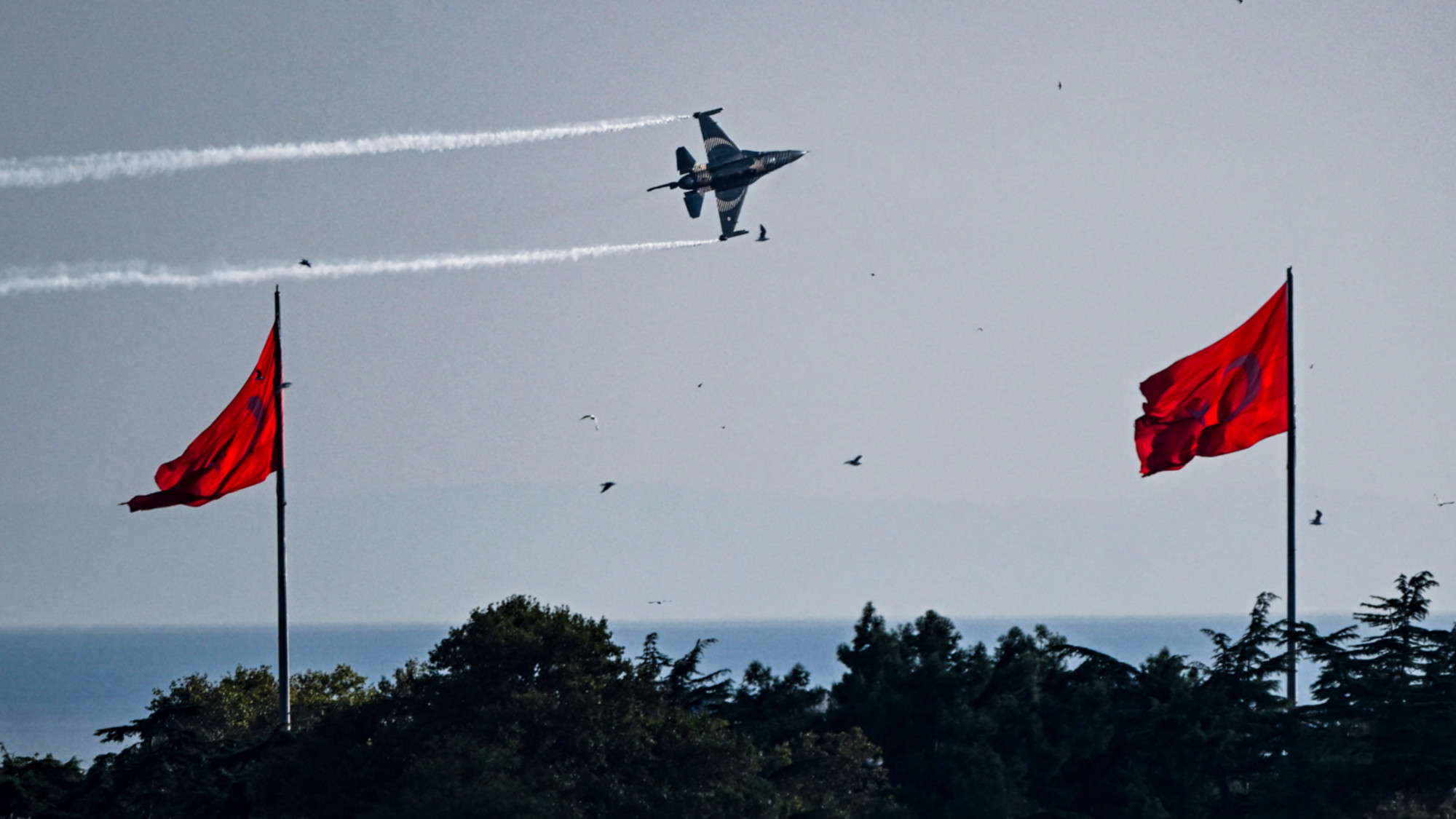
Turkish military intervention in support of Iran during the recent Israeli-American war on the Islamic Republic was narrowly averted, with Ankara having prepared aerial defence assistance to Tehran if Kurdish forces had proceeded with a planned invasion, according to Israeli media reports.

As reported by Middle East Eye, the Israeli public broadcaster Kan 11 revealed on Sunday that Turkey issued warnings that it would actively prevent any Kurdish incursion into Iranian territory, effectively derailing a military operation that Israeli and American intelligence agencies had spent months planning ahead of the war’s outbreak in February.

Turkish President Recep Tayyip Erdogan came close to committing his country’s forces to the conflict, with options including providing Iran with aerial defence capabilities against Israeli and American airstrikes, Israeli sources told the broadcaster.

The revelations align with repeated statements from President Donald Trump, who has publicly claimed credit for dissuading Erdogan from joining the fighting. At the NATO summit held in Ankara earlier this month, Trump stated that Turkey could have entered the conflict, suggesting his personal intervention with the Turkish leader may have prevented such a move.

Trump has been explicit about Turkey’s potential alignment in the war. Speaking to reporters at the White House last month, he indicated Erdogan was a prime candidate to join the war with Iran, possibly on Tehran’s side given his antagonism toward Israel. Trump said he asked his Turkish counterpart to stay out, and Erdogan complied.

Kurdish Invasion Plans Blocked by Ankara

Israeli media outlet i24News reported last month that Turkey’s intervention effectively blocked a Kurdish invasion of Iran that had been planned jointly by the Mossad and the CIA. According to an investigation by The New York Times, this Kurdish operation was part of a broader Israeli-American strategy aimed at overthrowing the Iranian government and potentially reinstalling former Iranian President Mahmoud Ahmadinejad.

The foiled operation highlights Ankara’s determination to prevent Kurdish territorial gains or military operations that could embolden separatist movements threatening Turkey’s own territorial integrity.

Growing Turkish Regional Power Alarms Israel

Israeli security officials are increasingly viewing Turkey as a mounting threat to national security, with concern extending beyond Ankara’s actions during the Iran conflict. The warming relationship between Erdogan, a vocal Israel critic, and Trump has raised alarm in Jerusalem as evidence of Turkey’s expanding regional and international influence.

The right-wing Israeli newspaper Makor Rishon warned last week that Turkish influence now reaches far beyond the Eastern Mediterranean and Syria, extending to the Horn of Africa, the Sahel region, and North Africa. The paper pointed to Turkey’s military deployments, economic investments, and diplomatic initiatives as proof of its expanding geopolitical footprint.

On Monday, Kan 11 correspondents Roi Kais and Itay Blumental wrote on social media that Erdogan is expanding Turkey’s military and political influence in Egypt and Syria, creating what they described as a chokehold around Israel.

As strikes between the United States and Iran continued for a tenth consecutive day, tensions between Israel and Turkey have escalated markedly, with Israeli officials increasingly portraying Ankara as a direct security challenge rather than merely a diplomatic irritant.

With information from Middle East Eye

Share:
Eleni Papadaki-Van Der Merwe

She was born in 1986 in Johannesburg, South Africa. She is the granddaughter of an immigrant from Crete who settled in the Greek community of Johannesburg (one of the largest in Africa). She holds a bachelor’s degree in International Relations and Political Science from the University of the Witwatersrand (Wits) in Johannesburg and a master’s degree in Journalism from Rhodes University in Grahamstown. She began her career at English-language media outlets in Johannesburg, covering politics and economics, with a focus on issues related to migration and the diaspora. She moved to Athens in 2015 to “return to her roots,” initially to pursue graduate studies, and has remained there permanently. She is married to an Afrikaner; they have two children and live in the southern suburbs of Athens.

Turkish military intervention in support of Iran during the recent Israeli-American war on the Islamic Republic was narrowly averted, with Ankara having prepared aerial defence assistance to Tehran if Kurdish forces had proceeded with a planned invasion, according to Israeli media reports.

As reported by Middle East Eye, the Israeli public broadcaster Kan 11 revealed on Sunday that Turkey issued warnings that it would actively prevent any Kurdish incursion into Iranian territory, effectively derailing a military operation that Israeli and American intelligence agencies had spent months planning ahead of the war’s outbreak in February.

Turkish President Recep Tayyip Erdogan came close to committing his country’s forces to the conflict, with options including providing Iran with aerial defence capabilities against Israeli and American airstrikes, Israeli sources told the broadcaster.

The revelations align with repeated statements from President Donald Trump, who has publicly claimed credit for dissuading Erdogan from joining the fighting. At the NATO summit held in Ankara earlier this month, Trump stated that Turkey could have entered the conflict, suggesting his personal intervention with the Turkish leader may have prevented such a move.

Trump has been explicit about Turkey’s potential alignment in the war. Speaking to reporters at the White House last month, he indicated Erdogan was a prime candidate to join the war with Iran, possibly on Tehran’s side given his antagonism toward Israel. Trump said he asked his Turkish counterpart to stay out, and Erdogan complied.

Kurdish Invasion Plans Blocked by Ankara

Israeli media outlet i24News reported last month that Turkey’s intervention effectively blocked a Kurdish invasion of Iran that had been planned jointly by the Mossad and the CIA. According to an investigation by The New York Times, this Kurdish operation was part of a broader Israeli-American strategy aimed at overthrowing the Iranian government and potentially reinstalling former Iranian President Mahmoud Ahmadinejad.

The foiled operation highlights Ankara’s determination to prevent Kurdish territorial gains or military operations that could embolden separatist movements threatening Turkey’s own territorial integrity.

Growing Turkish Regional Power Alarms Israel

Israeli security officials are increasingly viewing Turkey as a mounting threat to national security, with concern extending beyond Ankara’s actions during the Iran conflict. The warming relationship between Erdogan, a vocal Israel critic, and Trump has raised alarm in Jerusalem as evidence of Turkey’s expanding regional and international influence.

The right-wing Israeli newspaper Makor Rishon warned last week that Turkish influence now reaches far beyond the Eastern Mediterranean and Syria, extending to the Horn of Africa, the Sahel region, and North Africa. The paper pointed to Turkey’s military deployments, economic investments, and diplomatic initiatives as proof of its expanding geopolitical footprint.

On Monday, Kan 11 correspondents Roi Kais and Itay Blumental wrote on social media that Erdogan is expanding Turkey’s military and political influence in Egypt and Syria, creating what they described as a chokehold around Israel.

As strikes between the United States and Iran continued for a tenth consecutive day, tensions between Israel and Turkey have escalated markedly, with Israeli officials increasingly portraying Ankara as a direct security challenge rather than merely a diplomatic irritant.

With information from Middle East Eye