Trump-Xi Summit Faces Three Major Flashpoints in Eight Weeks
President Trump has signaled that Chinese leader Xi Jinping will visit the White House on September 24, but Taiwan arms sales, trade sanctions, and Washington politics threaten the summit.
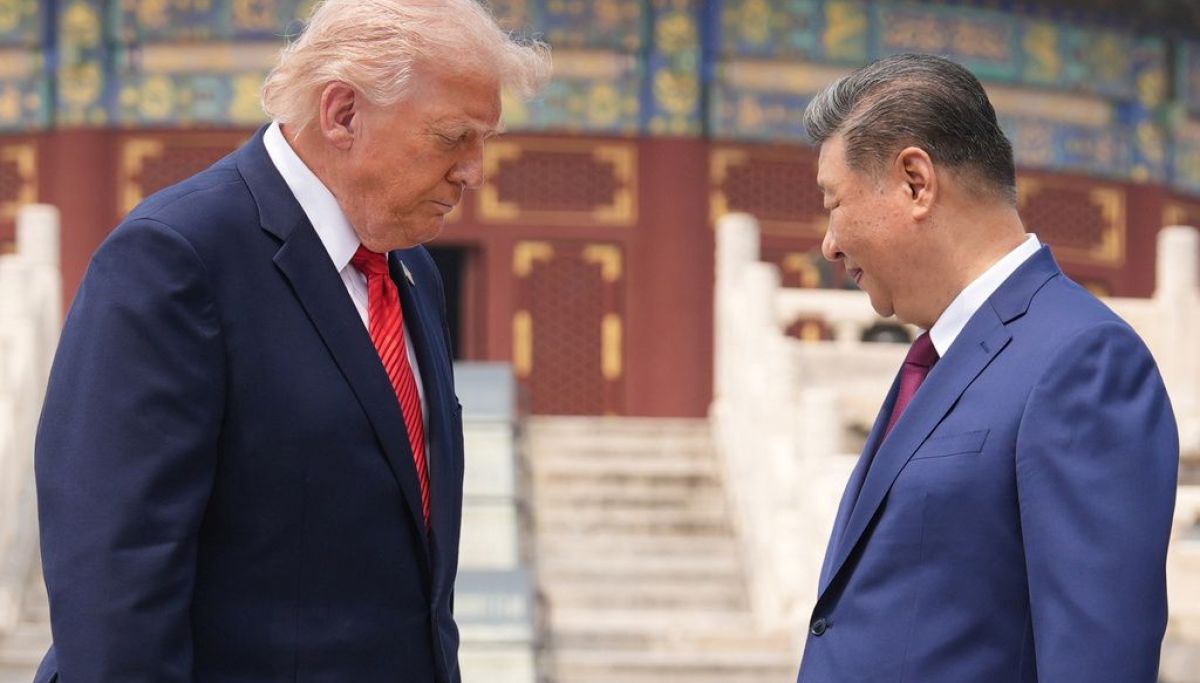

As David W. Wang argues in Washington Examiner, while diplomatic preparations are visibly underway, the gap between planning and execution remains wide, with three major flashpoints threatening to upend the summit before it materializes: Taiwan, trade sanctions, and the increasingly hostile political climate in Washington.
Diplomatic Machinery in Motion
Secretary of State Marco Rubio met with his Chinese counterpart, Wang Yi, last week on the sidelines of the Association of Southeast Asian Nations foreign ministers’ gathering in Manila. The meeting aimed to identify areas of cooperation and prepare ground for what Rubio described as a potentially positive visit. Deputy-level officials are reportedly shuttling between capitals to finalize logistics.
On the surface, the summit appears more confirmed than speculative. Yet those familiar with U.S.-China diplomatic history understand that commitments on paper rarely guarantee outcomes on the ground.

Taiwan: The Unplayed Leverage Card
Trump retains a critical piece of leverage he has yet to deploy: a new arms sale package to Taiwan. Beijing views such sales as direct challenges to its sovereignty claims, and previous announcements have scuttled diplomatic progress. Currently, Chinese military activity near Taiwan has noticeably decreased in recent months, a pattern suggesting Beijing’s eagerness to avoid provocations before the planned summit.
This restraint reveals Beijing’s strong desire for the visit to proceed, but it simultaneously means tensions could escalate rapidly if Trump decides an arms announcement better serves his negotiating strategy than diplomatic continuity. Taiwan stands as the most volatile factor heading into September—the kind of issue capable of transforming a confirmed visit into a postponed one overnight.
Trade Tensions and Sanctions Risks
The tariff confrontation that dominated 2025 has settled into an uneasy ceasefire. Trump’s latest tariffs—ranging from 10% to 12.5% on over 80 countries including China, imposed last week over inadequate forced labor enforcement—have tested but not broken this fragile truce.
A more serious threat comes from the Sanctioning Russia Act, reintroduced this July and renamed for its late chief sponsor, Republican South Carolina Senator Lindsey Graham. The legislation has attracted more than 60 bipartisan co-sponsors and White House backing. Its current version would impose tariffs up to 100% on the top five purchasers of Russian oil and natural gas—a category that includes China as a major buyer of both crude oil and gas.
Should Washington move to designate China under this legislation anywhere near September, Beijing would likely view it as diplomatic sabotage incompatible with productive summit conditions. For Beijing’s leadership, trade policy and geopolitical positioning remain inseparable considerations.
Hostile Domestic Political Climate
The most unpredictable variable stems not from bilateral policy but from Washington’s political atmosphere. Trump’s recent allegation that China interfered in the 2020 U.S. election—an accusation Beijing categorically rejected—has already introduced friction into summit preparations, surfacing during the Rubio-Wang meeting in Manila.
Add to this an intensifying anti-communist rhetoric across the American political spectrum, and Xi faces the prospect of arriving to a Washington that feels decidedly unwelcoming, regardless of negotiating table dynamics. The September 24 timing compounds this problem, falling squarely within the run-up to the 2026 midterm elections. During this period, anti-China and anti-communist messaging typically intensifies as candidates from both parties seek low-cost opportunities to project toughness on China ahead of voting.
Xi himself represents the most committed advocate of communism in a generation, having spent more than a decade consolidating Chinese Communist Party control over the state, economy, and civil society. He leads the largest communist party on Earth, boasting over 101 million members—precisely the type of figure that sharpening anti-communist rhetoric in Washington targets.
Narrow Window for Success
Trump’s objective for this visit may be relatively straightforward—stabilizing the bilateral relationship enough to manage competition without triggering crisis. Yet the convergence of Taiwan tensions, sanctions legislation, and domestic political hostility creates a narrow corridor for success. Whether September 24 arrives with Xi on American soil or diplomatic explanations for delay remains an open question with less than three months to resolution.
With information from Washington Examiner