Trump Strikes Deal to Deport Iranians to Central Africa
The Trump administration plans its first deportation flight to the Central African Republic this week under a new agreement, removing Iranian asylum-seekers and other migrants who cannot return home.
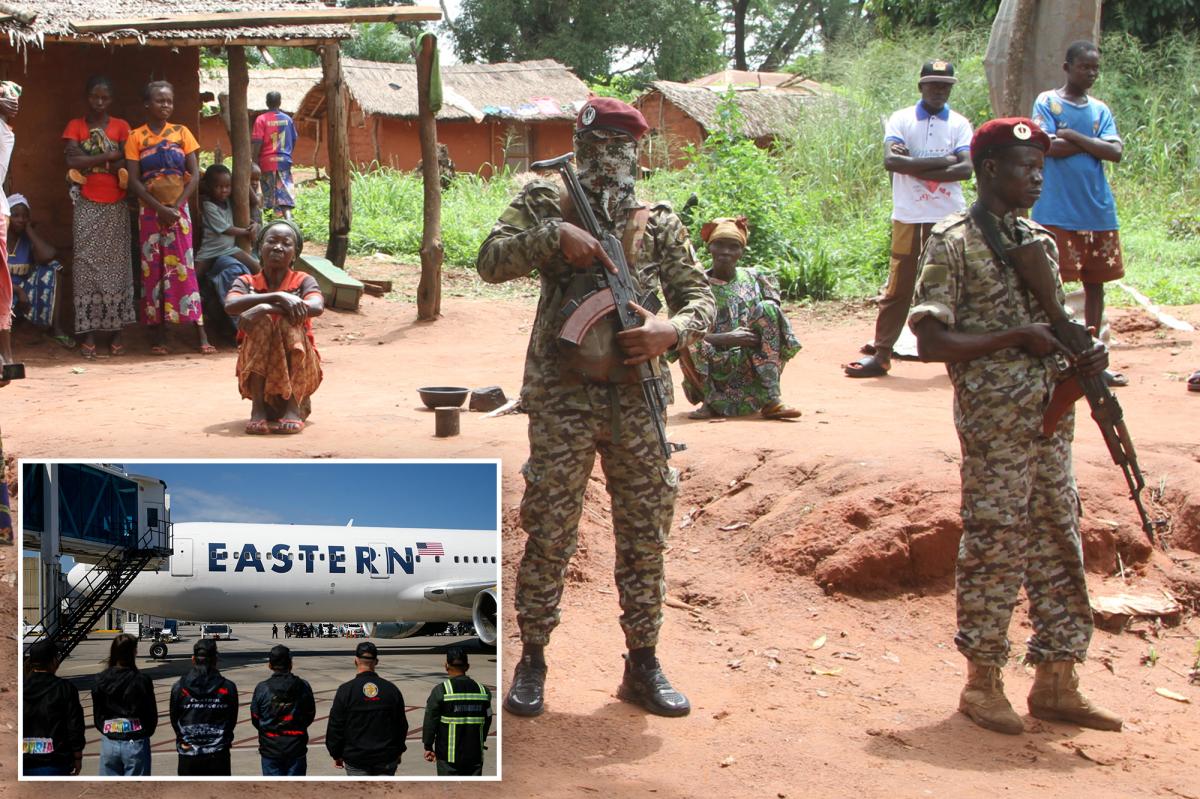

According to New York Post, the initial flight could depart as soon as Thursday and is expected to transport approximately 20 individuals to the troubled African nation. The passenger manifest includes nationals from Syria, Afghanistan, and a Turkish citizen, alongside Iranian asylum-seekers.
The arrangement marks the administration’s latest effort to leverage third-country deportation deals as a legal workaround for removing migrants who cannot be lawfully returned to their countries of origin. A similar agreement was previously established with the Democratic Republic of the Congo.
Among those slated for removal are two Iranian women who entered the United States in November 2024 and subsequently obtained “withholding of removal” status from a U.S. immigration judge. Their attorney, Emily Trostle, has raised concerns that both face serious risks of torture and persecution if forced back to Iran. One woman is a baptized convert to Christianity, while the other is a democracy activist who fled political persecution.
The women had filed asylum applications and received judicial protection from deportation, but are now scheduled for removal to the Central African Republic under the new agreement.
Agreement Finalized During May Delegation Visit
The deportation deal was reportedly finalized during a U.S. delegation visit to Bangui, the capital of the Central African Republic, in May. Specific details regarding the total number of migrants to be deported, their nationalities, and the schedule for subsequent flights have not been publicly disclosed.
Upon arrival in the Central African Republic, deportees are expected to be accommodated in apartments in Bangui and will not face immediate repatriation to their home countries.
The International Organization for Migration, which received $85 million in U.S. funding this year, confirmed it will provide voluntary post-arrival humanitarian assistance to the migrants at the request of the Central African government. The agency emphasized it plays no role in the actual removal operations.
Central African Republic: Decades of Instability
The Central African Republic has endured six decades of political turmoil since gaining independence from France in 1960, including six coups and persistent armed insurgencies that have fueled violence and mass atrocities against civilians.
President Faustin-Archange Touadéra, who secured a third term in December elections, has maintained close security ties with Russia while simultaneously courting Western partnerships to develop the nation’s critical minerals sector.
Growing Network of Third-Country Deportation Deals
The Trump administration has steadily expanded its network of third-country removal agreements across Africa. At least eight African nations, including Eswatini, the Democratic Republic of the Congo, Ghana, and Sierra Leone, have agreed to accept U.S. deportees, typically in exchange for financial assistance or logistical support.
Immigration defense attorneys have voiced strong opposition to the arrangement, arguing it places vulnerable asylum-seekers at risk in nations lacking adequate protections or stability. The Central African Republic, bordered by Chad, Sudan, South Sudan, the Democratic Republic of the Congo, the Republic of the Congo, and Cameroon, remains one of the world’s most fragile states with weak governance and ongoing security threats.
Neither the State Department nor Trostle immediately responded to requests for comment.
With information from New York Post