Trump Right About Who Controls America’s History Narrative
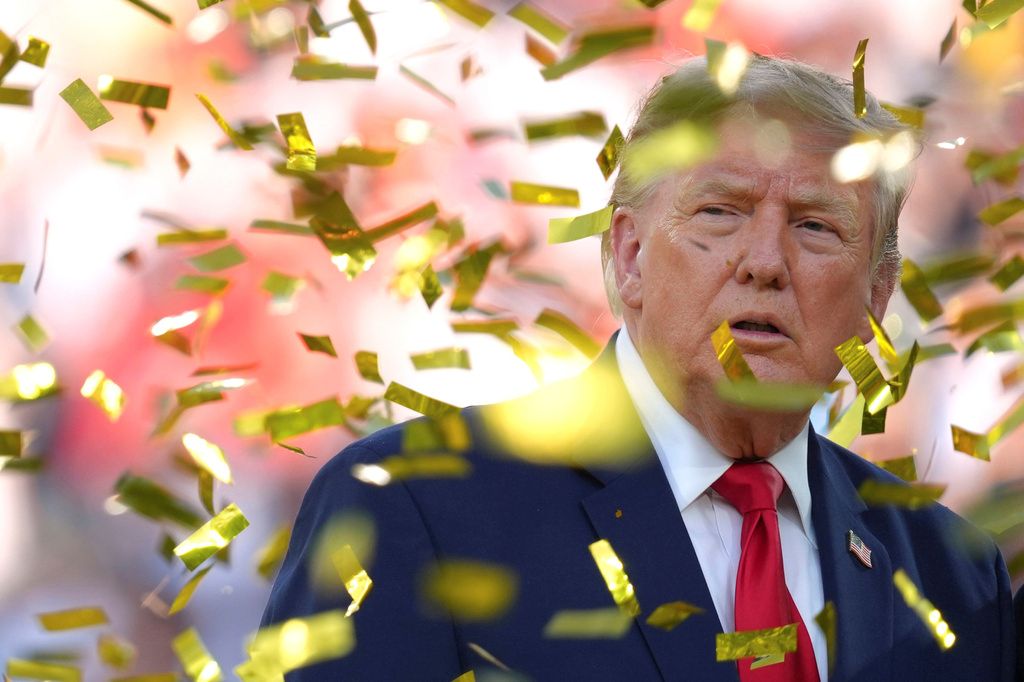
President Trump's executive order requiring warning signs at the Smithsonian's National Museum of American History has ignited debate over historical narratives and alleged liberal hypocrisy.
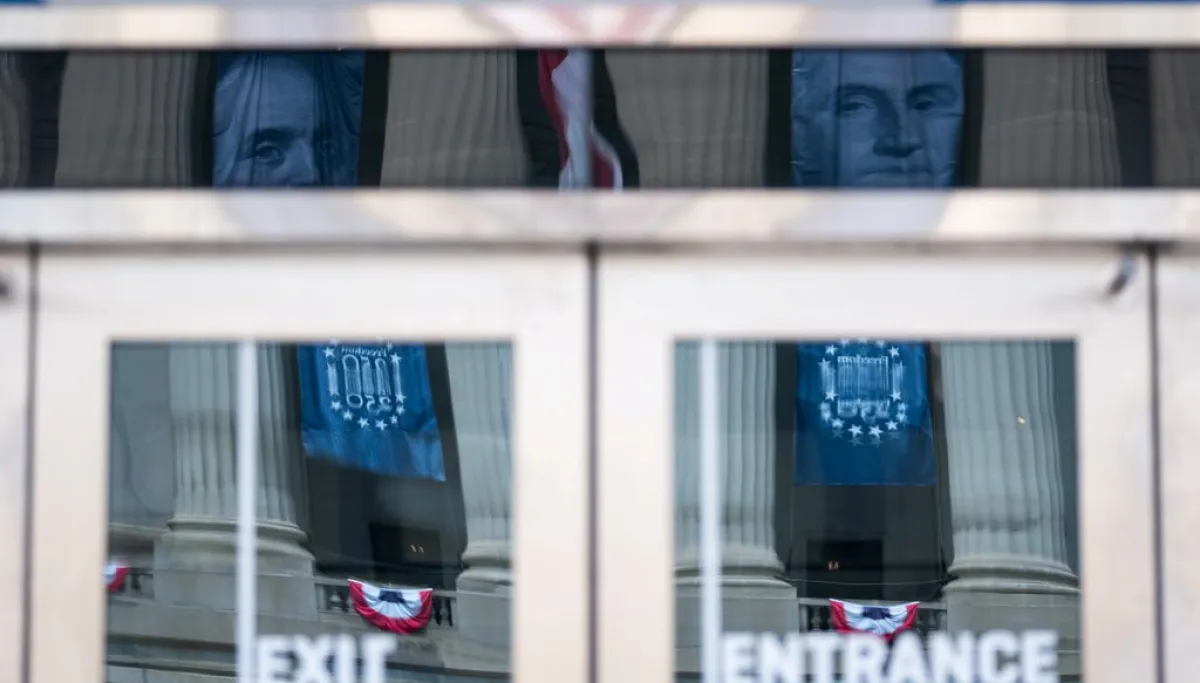

The directive instructs that signage be placed advising visitors that certain exhibits may present distorted versions of American history. It follows a White House report released on July 4 that questioned whether the institution has strayed from its original mission, urging citizens to seek out additional historical resources as the United States marks its 250th anniversary.
Critics immediately denounced the move as censorship and authoritarianism, with many characterizing it as yet another culture war provocation. But Rechtschaffen, who serves as a trustee within the Smithsonian family, notes the striking hypocrisy at play.
For over a decade, American universities and cultural institutions have demanded trigger warnings, content advisories, and sensitivity notices before students and visitors encounter challenging books, lectures, monuments, or difficult historical periods. An entire apparatus of cautionary language became embedded in public life.
Yet now that a warning label has been directed at a museum itself, the practice is suddenly portrayed as an attack on democracy.
The White House report makes serious allegations. It claims that America’s flagship history museum currently offers no major exhibit dedicated to the founding era—not George Washington, not Thomas Jefferson, not the Continental Congress or the Revolution—even as the nation celebrates 250 years of independence.
The report quotes museum leadership describing history as a “prime tool of social justice,” discussing how to connect scholarship to activism and advocacy, and asking how to “problematize” the 250th anniversary of the Declaration of Independence. Notably, the words “American history” were reportedly removed from the museum’s own mission statement.
While Rechtschaffen does not litigate every claim in the report, he emphasizes that the questions it raises extend far beyond any single exhibit. The fundamental issue is whether America still possesses a shared narrative capable of uniting the nation as one people.
The Erosion of Balanced Historical Memory
Every lasting civilization, he argues, tells a story worthy of inheritance. It acknowledges its failures truthfully but also explains why the civilization itself deserves preservation. Civilizations that endure understand the distinction between honest self-examination and perpetual self-condemnation.
American institutions of memory should maintain that same equilibrium—teaching about slavery and the Civil War, segregation and civil rights, Japanese internment and constitutional liberty. The nation must confront its failures without losing sight of a larger truth: the United States remains history’s most successful experiment in ordered liberty, constitutional government, and human opportunity.
Over the past decade, that balance has deteriorated across much of American culture—in universities, publishing, educational curricula, and museums. The result is a peculiar form of history that apologizes exhaustively for every American failure while growing reluctant to examine the American miracle itself.
Why have more people chosen America than any other nation in history? Why has this country produced unmatched innovation, philanthropy, constitutional self-government, and the broadest expansion of individual opportunity the modern world has witnessed? Why, after 250 years, do millions still dream not merely of visiting America but of becoming Americans?
A national history worthy of a great nation must grapple with these questions as honestly as it confronts shortcomings.
Rigorous Scholarship and Civic Purpose
Rechtschaffen points to his service as a trustee of the Woodrow Wilson International Center for Scholars as reinforcing his conviction that rigorous scholarship and civic purpose are not competing values. That institution exists to help America understand the world more clearly, compete more effectively, and lead more wisely.
The debate over Trump’s executive order ultimately reveals a broader crisis in how American institutions approach the nation’s past—one that demands thoughtful engagement rather than reflexive dismissal from those who claim to value historical inquiry.
With information from Washington Examiner