Necessary Cookies

Required for the site to function. Cannot be disabled.

Analytics Cookies

Help us understand how visitors interact with our site (Google Analytics via GTM).

Marketing Cookies

Used to track visitors and deliver personalised advertisements.

We use cookies to enhance your browsing experience and analyse site traffic. By clicking Accept All, you consent to our use of cookies. Privacy Policy
NewsFire Global
Home News Europe World Christianity Culture Wars Opinion Video
Information
About Us Authors Advertising Terms & Conditions Privacy Policy Contact
R2B Media
R2B NEWSFIRE.GR PAPAFOTIS.GR THRACTION HELLENIC CONSERVATIVES RIGHT2THEBONE YT
News World

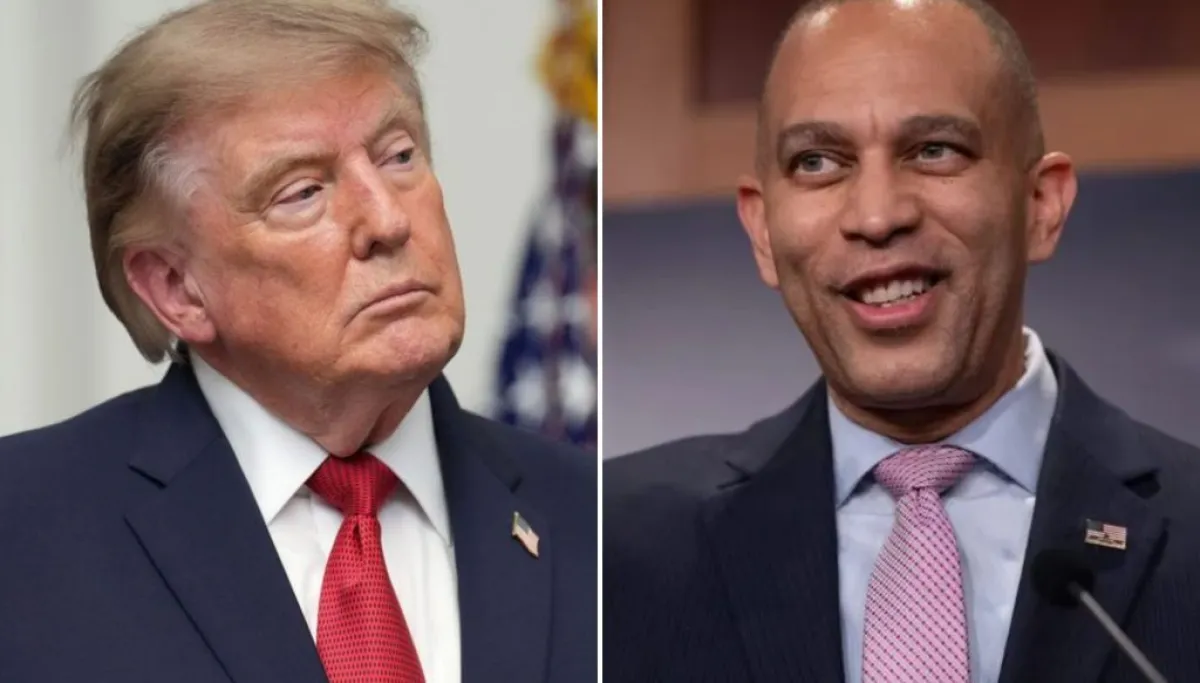
Trump Eyes Bipartisan Deals After Kushner-Jeffries Meeting

House Minority Leader Hakeem Jeffries' private meeting with Jared Kushner has drawn progressive criticism while signaling potential bipartisan cooperation if Democrats retake the House.
Stefanos Banos
Stefanos Banos Staff Writer
AUGUST 25, 2026 AT 3:38 PM

The unexpected encounter between the New York Democrat and President Donald Trump’s son-in-law provided early insight into how a Democrat-controlled Congress might navigate relations with the White House, according to Mabinty Quarshie and Naomi Lim writing in Washington Examiner. Democrats require only three seat flips to reclaim the House majority, with historical trends typically favoring the opposition party during midterms. However, Republicans have gained ground through mid-decade redistricting efforts across multiple states, potentially defying conventional electoral patterns.

Hakeem Jeffries, who stands to become House Speaker if Democrats prevail, has drawn sharp criticism from progressive activists over his outreach to Kushner. Left-wing figures argue the minority leader should concentrate on constraining Trump’s authority rather than seeking accommodation with his administration.

Hasan Piker, a prominent progressive commentator and online streamer, denounced the development on social media, declaring that Jeffries meeting Kushner privately sent a worse signal than a public presidential meeting would have.
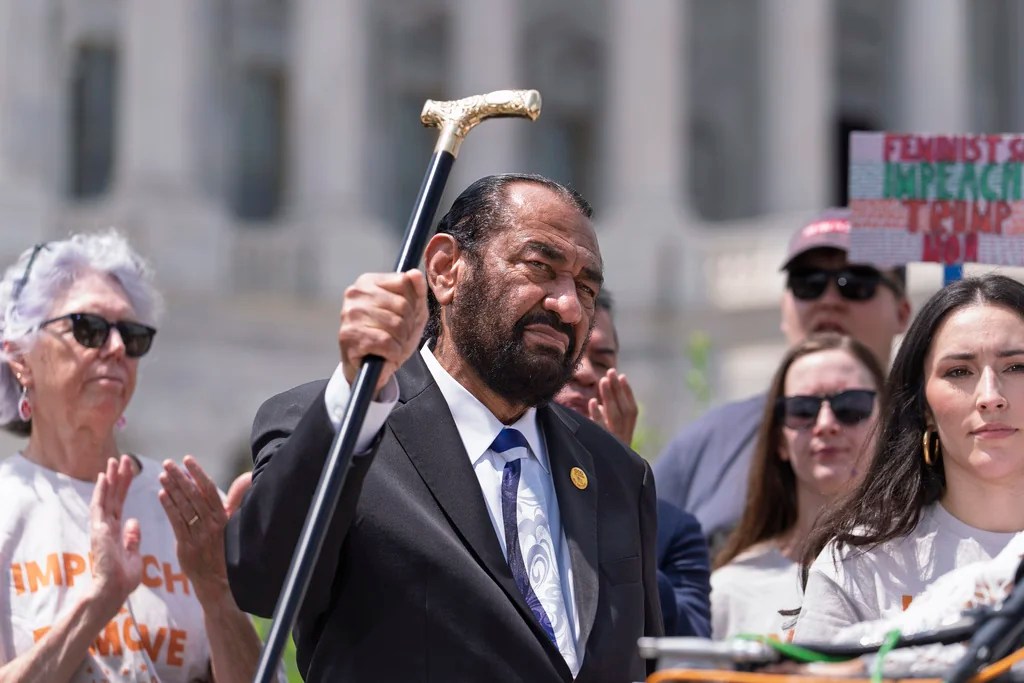
While House Democrats show minimal interest in pursuing another impeachment effort against Trump, Representative Al Green of Texas has nonetheless introduced fresh articles of impeachment against the president. Yet beyond fringe voices, both parties acknowledge that cross-aisle collaboration will prove essential if Democrats capture either congressional chamber.

The pragmatic approach extends beyond Capitol Hill. New York Mayor Zohran Mamdani has traveled to Washington at least twice for Trump administration discussions on housing, affordability, and municipal infrastructure projects. According to the New York Times, the conversations between Jeffries and Kushner identified housing, immigration, and cost of living as potential areas for bipartisan agreement.

Healthcare Subsidies as Common Ground

Jeffries achieved a significant legislative win last year by forcing a House vote on extending Obamacare subsidies for three years, which passed with Republican backing. The measure remains stalled in the Senate.

Robyn Patterson, a former Biden White House aide, told Washington Examiner that failing to collaborate with Jeffries on healthcare tax credits would constitute a major missed opportunity for the administration. She noted vulnerable Republicans face intense advertising campaigns attacking them over high healthcare costs, making a deal politically advantageous for both parties.

Recent polling from KFF demonstrates healthcare costs rank as voters’ top healthcare priority. More than half of all voters, including 60% of Democrats and 55% of independents, identified the issue as extremely important for candidates to address.

Courting the MAHA Movement

Another area ripe for bipartisan cooperation involves concerns championed by the Make America Healthy Again movement, led by supporters of Health and Human Services Secretary Robert F. Kennedy Jr. MAHA adherents have grown increasingly frustrated with the Trump administration over perceived neglect of their priorities, particularly regarding harmful ingredients in consumer products.

Senators Cory Booker of New Jersey and Martin Heinrich of New Mexico previously introduced legislation targeting domestic glyphosate production, a controversial herbicide opposed by MAHA advocates. Trump’s February executive order invoking the Defense Production Act to prioritize glyphosate production angered the movement’s supporters.

Booker, considered a potential 2028 presidential contender, has already begun urging Democrats to appeal to MAHA voters. Speaking at the Center for American Progress ideas conference in Washington earlier this year, he called on fellow Democrats to validate parental concerns about chemicals, ultra-processed foods, and chronic disease.

The MAHA movement demonstrated its political influence during this year’s Iowa Republican gubernatorial primary, when businessman Zach Lahn defeated Trump-endorsed Representative Randy Feenstra. A bipartisan legislative push addressing their concerns could intensify competition for these voters ahead of the 2028 presidential race.

Data Center Expansion Concerns

Growing public opposition to artificial intelligence data center expansion represents another emerging bipartisan issue, with governors and local officials across the political spectrum voicing concerns about the facilities’ environmental and infrastructure impacts.

With information from Washington Examiner

Share:
Stefanos Banos
Stefanos Banos

Stefanos Banos was born in Piraeus and is an editor at NewsFire.GR, specializing in political analysis and international relations. He graduated from the Department of Communication and Media at the University of Bremen in Germany, where he also completed his Master of Arts in Communication and Media Studies. Married to Zoi, he is a proud father of three boys.

The unexpected encounter between the New York Democrat and President Donald Trump’s son-in-law provided early insight into how a Democrat-controlled Congress might navigate relations with the White House, according to Mabinty Quarshie and Naomi Lim writing in Washington Examiner. Democrats require only three seat flips to reclaim the House majority, with historical trends typically favoring the opposition party during midterms. However, Republicans have gained ground through mid-decade redistricting efforts across multiple states, potentially defying conventional electoral patterns.

Hakeem Jeffries, who stands to become House Speaker if Democrats prevail, has drawn sharp criticism from progressive activists over his outreach to Kushner. Left-wing figures argue the minority leader should concentrate on constraining Trump’s authority rather than seeking accommodation with his administration.

Hasan Piker, a prominent progressive commentator and online streamer, denounced the development on social media, declaring that Jeffries meeting Kushner privately sent a worse signal than a public presidential meeting would have.

While House Democrats show minimal interest in pursuing another impeachment effort against Trump, Representative Al Green of Texas has nonetheless introduced fresh articles of impeachment against the president. Yet beyond fringe voices, both parties acknowledge that cross-aisle collaboration will prove essential if Democrats capture either congressional chamber.

The pragmatic approach extends beyond Capitol Hill. New York Mayor Zohran Mamdani has traveled to Washington at least twice for Trump administration discussions on housing, affordability, and municipal infrastructure projects. According to the New York Times, the conversations between Jeffries and Kushner identified housing, immigration, and cost of living as potential areas for bipartisan agreement.

Healthcare Subsidies as Common Ground

Jeffries achieved a significant legislative win last year by forcing a House vote on extending Obamacare subsidies for three years, which passed with Republican backing. The measure remains stalled in the Senate.

Robyn Patterson, a former Biden White House aide, told Washington Examiner that failing to collaborate with Jeffries on healthcare tax credits would constitute a major missed opportunity for the administration. She noted vulnerable Republicans face intense advertising campaigns attacking them over high healthcare costs, making a deal politically advantageous for both parties.

Recent polling from KFF demonstrates healthcare costs rank as voters’ top healthcare priority. More than half of all voters, including 60% of Democrats and 55% of independents, identified the issue as extremely important for candidates to address.

Courting the MAHA Movement

Another area ripe for bipartisan cooperation involves concerns championed by the Make America Healthy Again movement, led by supporters of Health and Human Services Secretary Robert F. Kennedy Jr. MAHA adherents have grown increasingly frustrated with the Trump administration over perceived neglect of their priorities, particularly regarding harmful ingredients in consumer products.

Senators Cory Booker of New Jersey and Martin Heinrich of New Mexico previously introduced legislation targeting domestic glyphosate production, a controversial herbicide opposed by MAHA advocates. Trump’s February executive order invoking the Defense Production Act to prioritize glyphosate production angered the movement’s supporters.

Booker, considered a potential 2028 presidential contender, has already begun urging Democrats to appeal to MAHA voters. Speaking at the Center for American Progress ideas conference in Washington earlier this year, he called on fellow Democrats to validate parental concerns about chemicals, ultra-processed foods, and chronic disease.

The MAHA movement demonstrated its political influence during this year’s Iowa Republican gubernatorial primary, when businessman Zach Lahn defeated Trump-endorsed Representative Randy Feenstra. A bipartisan legislative push addressing their concerns could intensify competition for these voters ahead of the 2028 presidential race.

Data Center Expansion Concerns

Growing public opposition to artificial intelligence data center expansion represents another emerging bipartisan issue, with governors and local officials across the political spectrum voicing concerns about the facilities’ environmental and infrastructure impacts.

With information from Washington Examiner