Traditional Media Power is Broken – NIUS Live
A German magazine's cover branding an AfD leader as dangerous backfired when the politician turned it into campaign material, demonstrating legacy media's waning narrative control.
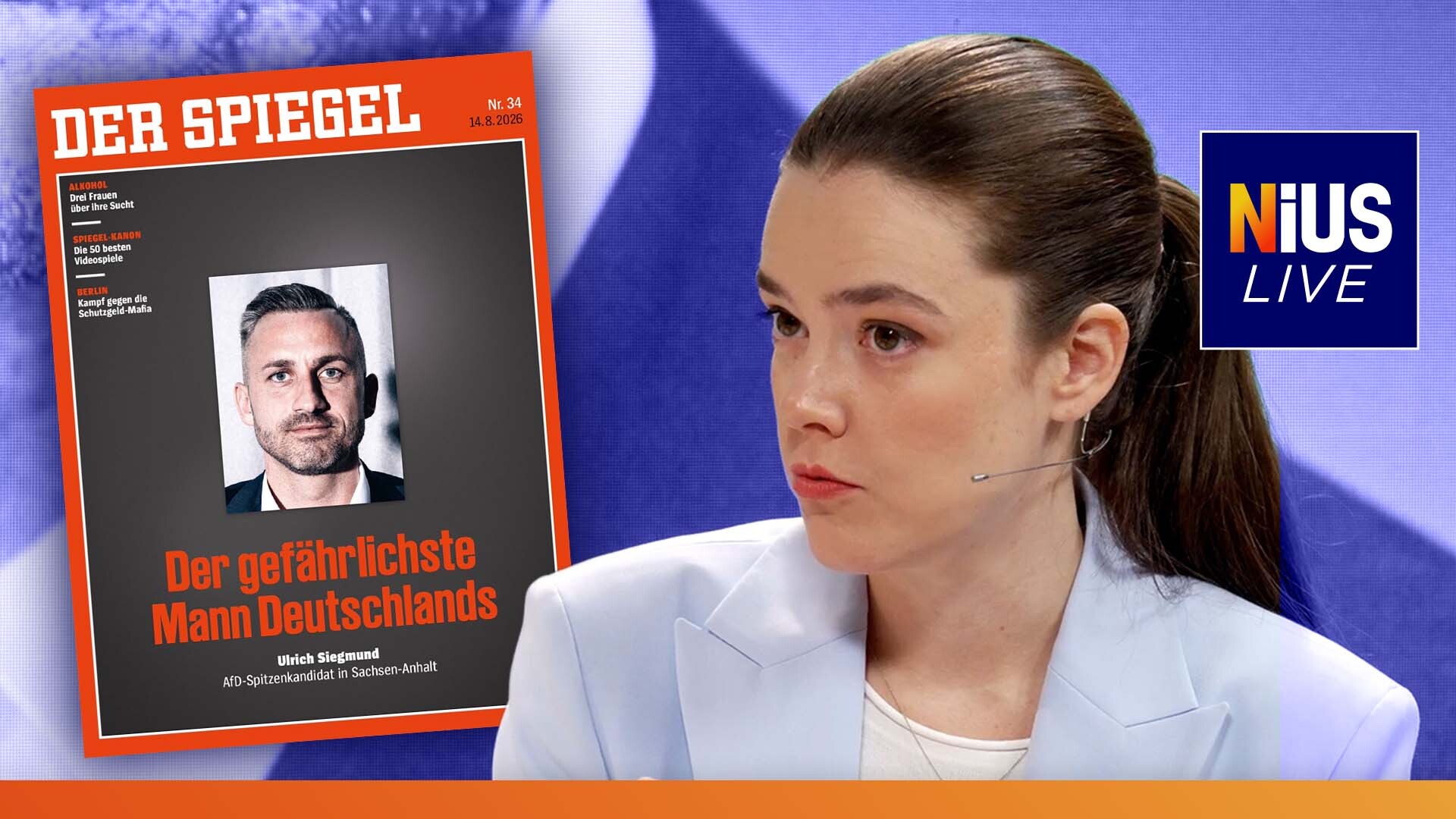
Der Spiegel’s current issue features Ulrich Siegmund, the Alternative for Germany’s lead candidate in Saxony-Anhalt, on its cover with the label “Germany’s most dangerous man.” Rather than damaging Siegmund, the cover has become a piece of campaign gold for the politician, who was photographed signing copies of the magazine and sharing the image across social media platforms, according to Nius.
What the Hamburg-based publication intended as a political takedown has instead become what Nius deputy editor-in-chief Pauline Voss describes as a piece of right-wing pop culture. The magazine depicted Siegmund in a style reminiscent of a wanted poster, but the politician has successfully weaponized the cover for his own electoral purposes.
The spectacular miscalculation has drawn criticism from across the political spectrum, forcing Der Spiegel into a defensive posture as commentators note the loss of traditional media gatekeeping power in the age of social media.
From Attack to Advertisement
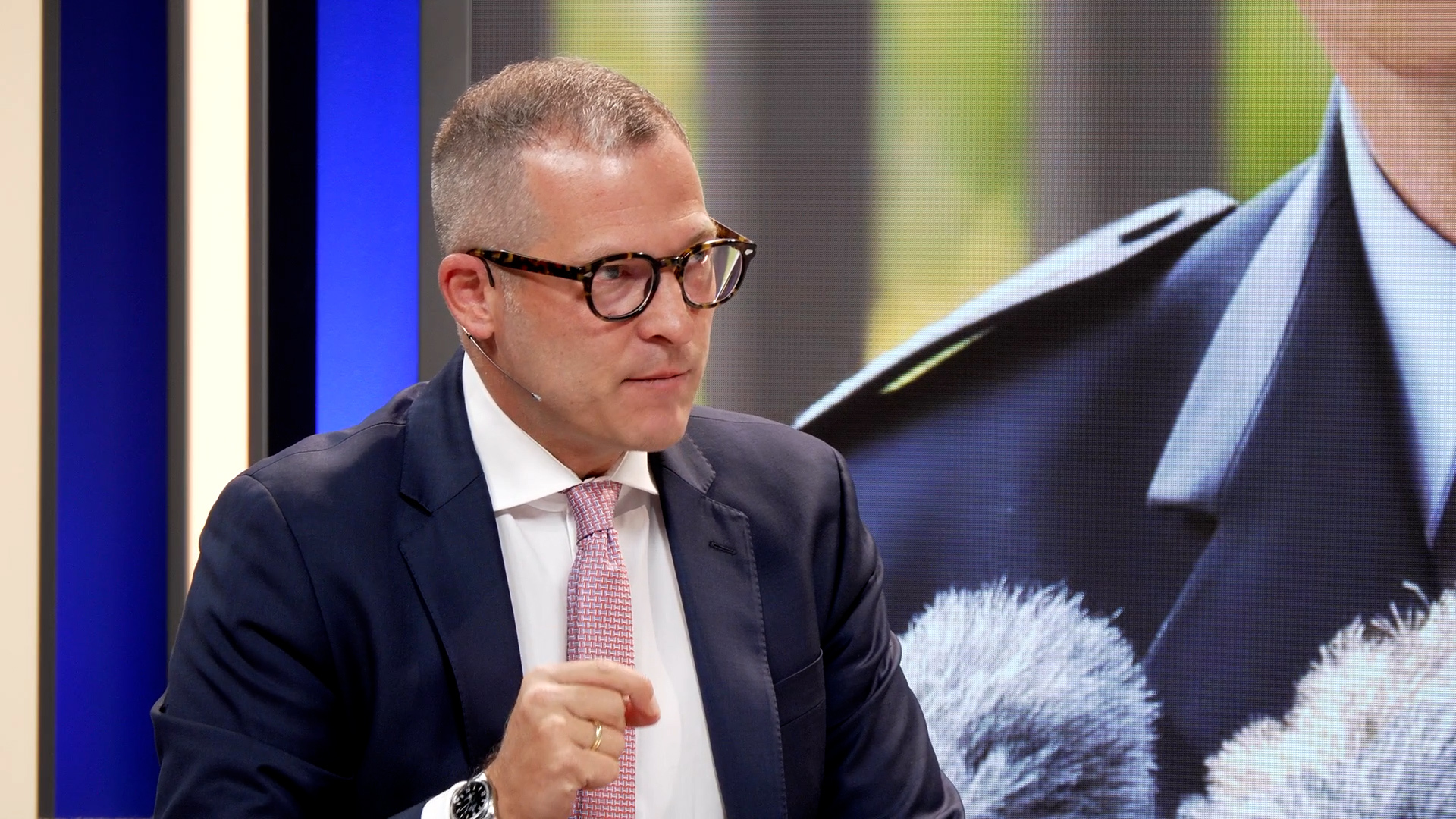
Alexander Kissler, a host at Nius, summarized the debacle bluntly during Monday’s broadcast. What was supposed to be a political-media execution ended up functioning as election advertising for Siegmund instead.
Voss noted that Der Spiegel has completely lost control over how its own cover is being interpreted politically and culturally. The magazine sought to warn against an AfD government in Saxony-Anhalt but achieved precisely the opposite effect through its sensationalist approach.
The consensus spans the political divide, Voss observed. From left to right, observers agree the cover treatment was wildly exaggerated and that the entire campaign has blown up in Der Spiegel’s face.
Competing Narrative Emerges
Reinforcing the impression of a media landscape in flux, Bild am Sonntag ran its own profile of Siegmund under the headline “Who’s afraid of this man?” The piece portrayed the AfD candidate in markedly different terms than Der Spiegel’s approach, with Voss describing the tone as sympathetic and notably distinct from typical coverage of AfD politicians.
The Death of Traditional Media Gatekeeping
Julian Reichelt, editor-in-chief of Nius, sees the episode as evidence of a fundamental collapse in traditional media authority. In earlier times, major magazines could have controlled the political staging of such a cover story far more effectively. Today, social media and new journalistic outlets ensure that cover images can be immediately reinterpreted and turned against their creators.
Reichelt was direct in his assessment of the changing landscape. Der Spiegel once could have gotten away with this kind of activism, but those days are finished. Now they achieve the opposite of what they intend.
For Voss, the significance extends beyond a single magazine issue. She views Siegmund’s confident handling of the cover as evidence of a broader transformation in the media ecosystem. Traditional media power has been broken, she argues, and the real media battles now take place in new media spaces.
The video of Siegmund confidently signing Der Spiegel represents a new era in political communication, Voss suggested, one in which legacy media outlets no longer possess sole authority to determine whether coverage helps or harms a candidate. The ability of politicians to seize control of narratives intended to damage them marks a decisive shift in how political messages are shaped and disseminated in the modern information environment.
With information from Nius