The Cultural Pillory
France's political establishment prepares for the 2027 presidential election as far-left leader Jean-Luc Mélenchon launches his "Nouvelle France" platform amid concerns about media bias.
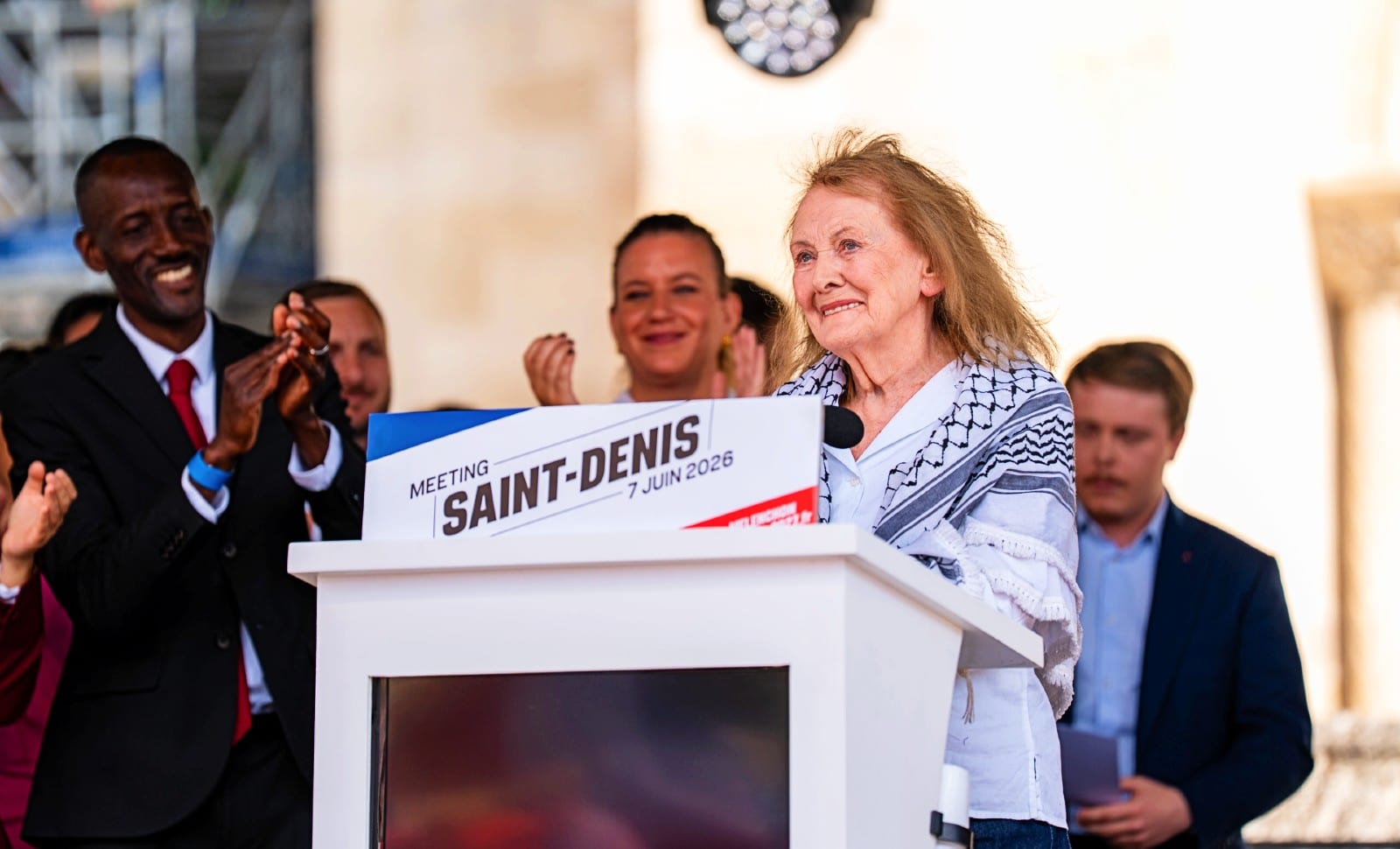

According to Causeur, Mélenchon unveiled his “Nouvelle France” platform last Sunday in Saint-Denis, marking what the publication characterizes as his final bid for power through a strategy focused on controlling media narratives and cultural institutions rather than substantive policy proposals.
The French media landscape has become increasingly partisan, with public broadcasters and billionaire-funded outlets allegedly serving as amplifiers for left-wing messaging. Radio France recently drew criticism from ARCOM, France’s broadcasting regulator, for its handling of airtime allocated to the National Rally party during late-night programming.
Billionaire Media Barons and Political Patronage
Xavier Niel, Daniel Křetínský, and Matthieu Pigasse have restructured media holdings in France, acquiring struggling publications including Libération, Le Monde, and Les Inrocks at reduced valuations. These acquisitions stand in contrast to conservative-leaning media ventures backed by figures like Pierre-Édouard Stérin and Vincent Bolloré, who support traditional French cultural institutions.
The public broadcasting sector maintains what critics describe as a political imbalance, with programming allegedly divided between left-wing perspectives and opposition to what mainstream media labels as far-right politics. Figures ranging from Gérald Darmanin to Éric Ciotti, Bruno Retailleau, Philippe de Villiers, François-Xavier Bellamy, and Sarah Knafo are routinely categorized together despite their varying political positions.
Cultural Institutions Under Ideological Pressure
Academic and cultural programming has increasingly embraced activist frameworks drawn from intersectionality and critical theory, as Causeur reports. Low-level sociologists and graduate students with political agendas dominate discussions of French history, systematically reinterpreting colonialism, slavery, and historical events through contemporary ideological lenses.
Literary figure Annie Ernaux, described as an organic intellectual of the left, recently appeared wearing a Palestinian keffiyeh, symbolizing the convergence of cultural prestige and political activism. The magazine draws parallels to historical intellectuals who aligned themselves with authoritarian movements.
Alain Finkielkraut‘s program Répliques has served as one of the few remaining platforms for alternative perspectives within France’s public broadcasting system for five decades, representing what the publication calls a holdout against ideological conformity.
Melenchon’s Strategy of Permanent Tension
The France Unbowed movement under Mélenchon’s leadership has adopted what observers describe as a strategy of permanent confrontation and social division, actively courting Muslim electoral blocs while promoting what critics characterize as the Lebanonization of French society. The party’s approach involves continuous mobilization around identity politics and grievance narratives rather than traditional left-wing economic platforms.
Italian filmmaker Pier Paolo Pasolini warned decades ago about anti-fascist rhetoric being weaponized to create new forms of conformity and inquisition, a prediction that resonates with current French political dynamics. Social democracy has given way to what critics call woke ideology, characterized by fiscal punishment, victimhood narratives, and immigration maximalism rather than working-class economic interests.
Traditional left-wing constituencies in former industrial regions and suburban areas have increasingly abandoned parties that once represented their interests, recognizing the disconnect between elite cultural concerns and their lived experiences.
With information from Causeur