Necessary Cookies

Required for the site to function. Cannot be disabled.

Analytics Cookies

Help us understand how visitors interact with our site (Google Analytics via GTM).

Marketing Cookies

Used to track visitors and deliver personalised advertisements.

We use cookies to enhance your browsing experience and analyse site traffic. By clicking Accept All, you consent to our use of cookies. Privacy Policy
NewsFire Global
Home News Europe World Christianity Culture Wars Opinion Video
Information
About Us Authors Advertising Terms & Conditions Privacy Policy Contact
R2B Media
R2B NEWSFIRE.GR PAPAFOTIS.GR THRACTION HELLENIC CONSERVATIVES RIGHT2THEBONE YT
News Europe

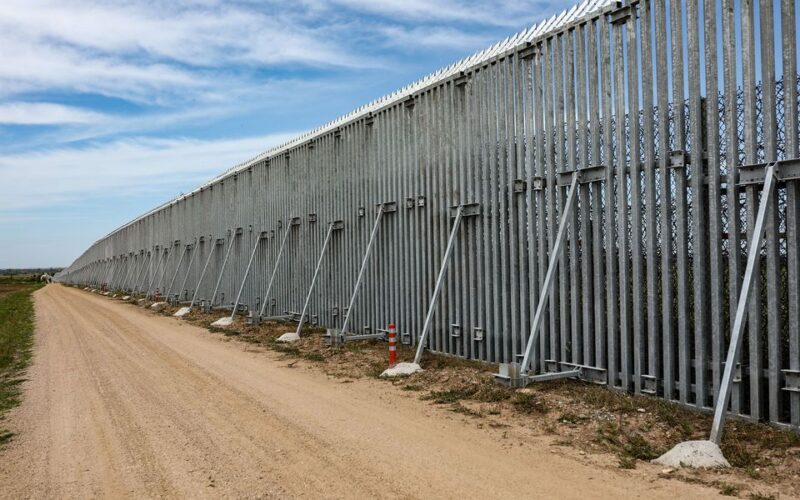
Spain Fortifies Ceuta Border as New Migrant Surge Announced

Spanish and Moroccan forces prevented a second major migrant assault on Ceuta on August 15 by deploying massive security resources after social media calls for a coordinated border breach.

Dimitris Papafotis
Dimitris Papafotis Editor in Chief
AUGUST 15, 2026 AT 4:13 PM

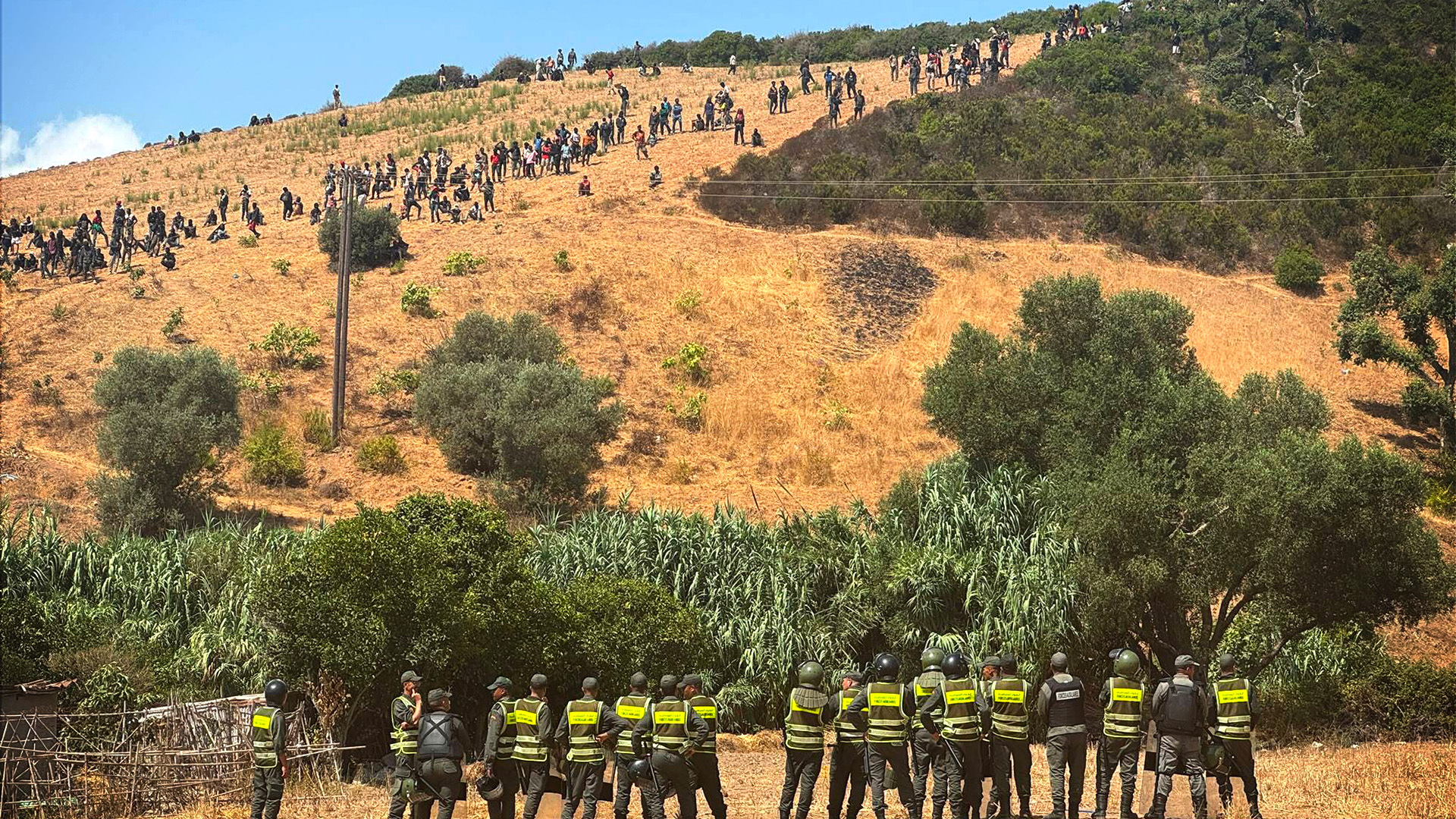
Following an initial storming of Ceuta on July 30, reports circulated widely on social media calling for another attempt to breach the border on August 15. According to Nius, which had reporters on the ground in the Moroccan border town of Fnideq just kilometers from Ceuta, authorities from both nations were determined to prevent a repeat of the July incident.
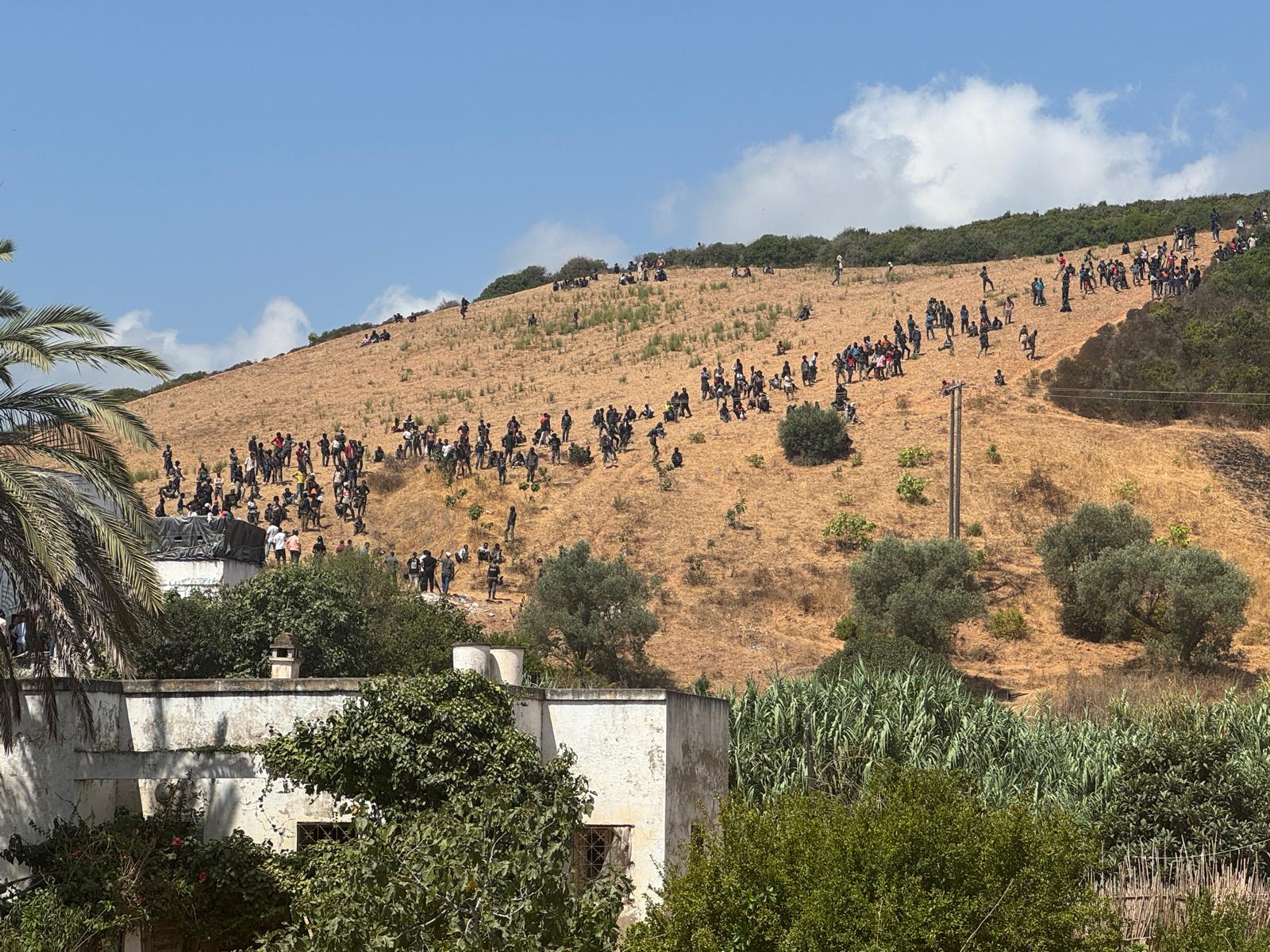
Die Migranten sammeln sich auf einem grenznahen Hügel.
Photo: nius.de

The night leading into Saturday remained calm as Spanish and Moroccan forces erected a formidable defensive perimeter. Barbed wire, water cannons, patrol boats, and a substantial police presence lined both sides of the frontier. Helicopters, police units, and military personnel conducted continuous patrols to secure the border zone.

On Saturday morning, several hundred migrants gathered on a hill near the border and began moving toward the secured frontier. Nius reporters documented the unfolding situation, capturing footage of migrants congregating near Fnideq and apparently setting multiple fires in the area.

One migrant displayed climbing equipment to Marc Sierzputowski, a reporter for Nius, explaining his intention to use it to scale the border fence. The news team also spoke with a Nigerian migrant who was being detained in a police vehicle at the scene.

The Nius reporting team faced significant obstruction from Moroccan authorities. On the previous evening, the journalists were harassed, detained, and ultimately forced by Moroccan security forces to delete all video material they had gathered. Despite this interference, the team continued documenting the border situation throughout the following day.
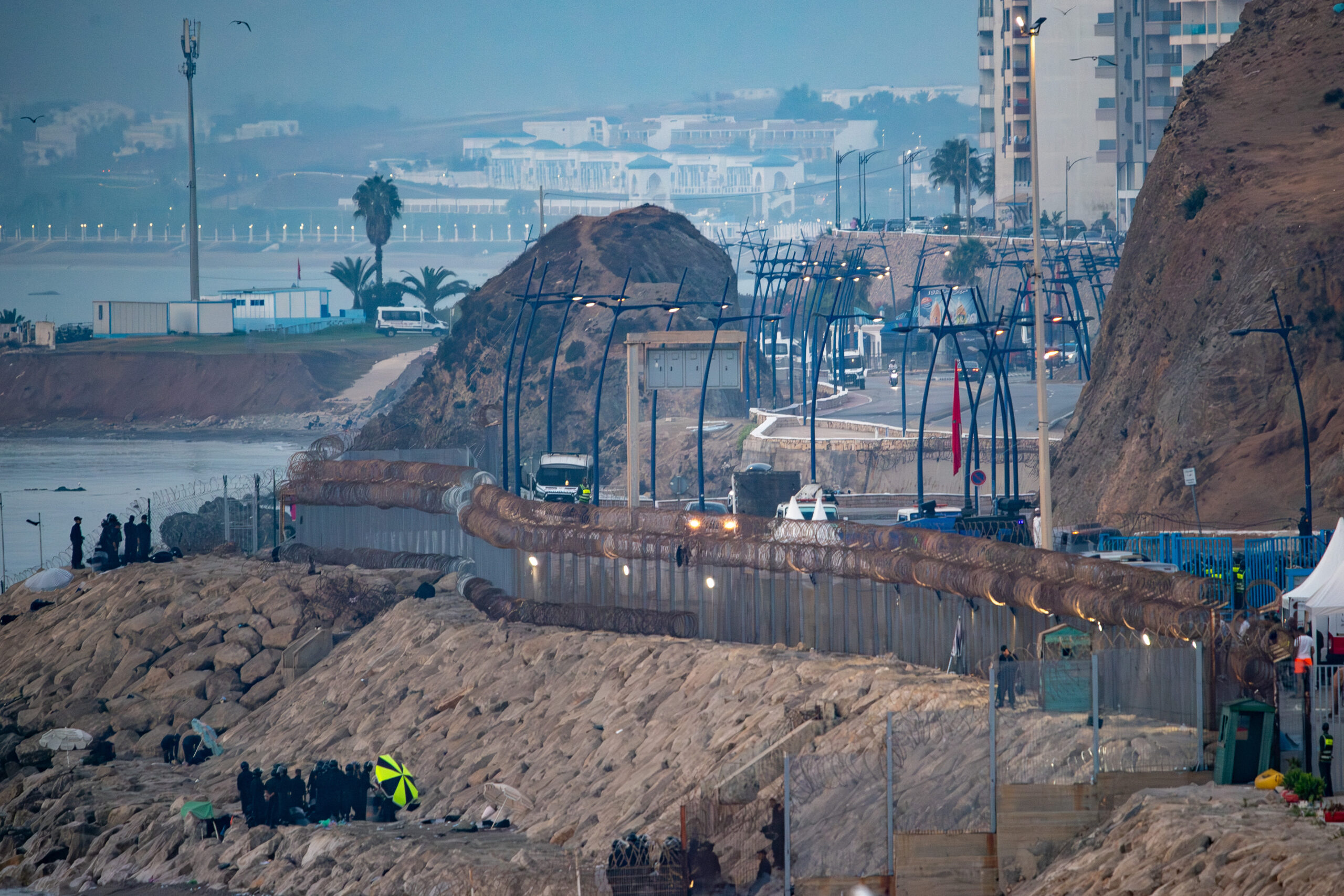
Die Grenze zu Ceuta wurde massiv gesichert.
Photo: nius.de

By Saturday morning, the border remained intact and heavily guarded. On the Moroccan side, police and military vehicles were positioned every few meters along the frontier, maintaining strict surveillance of the area.
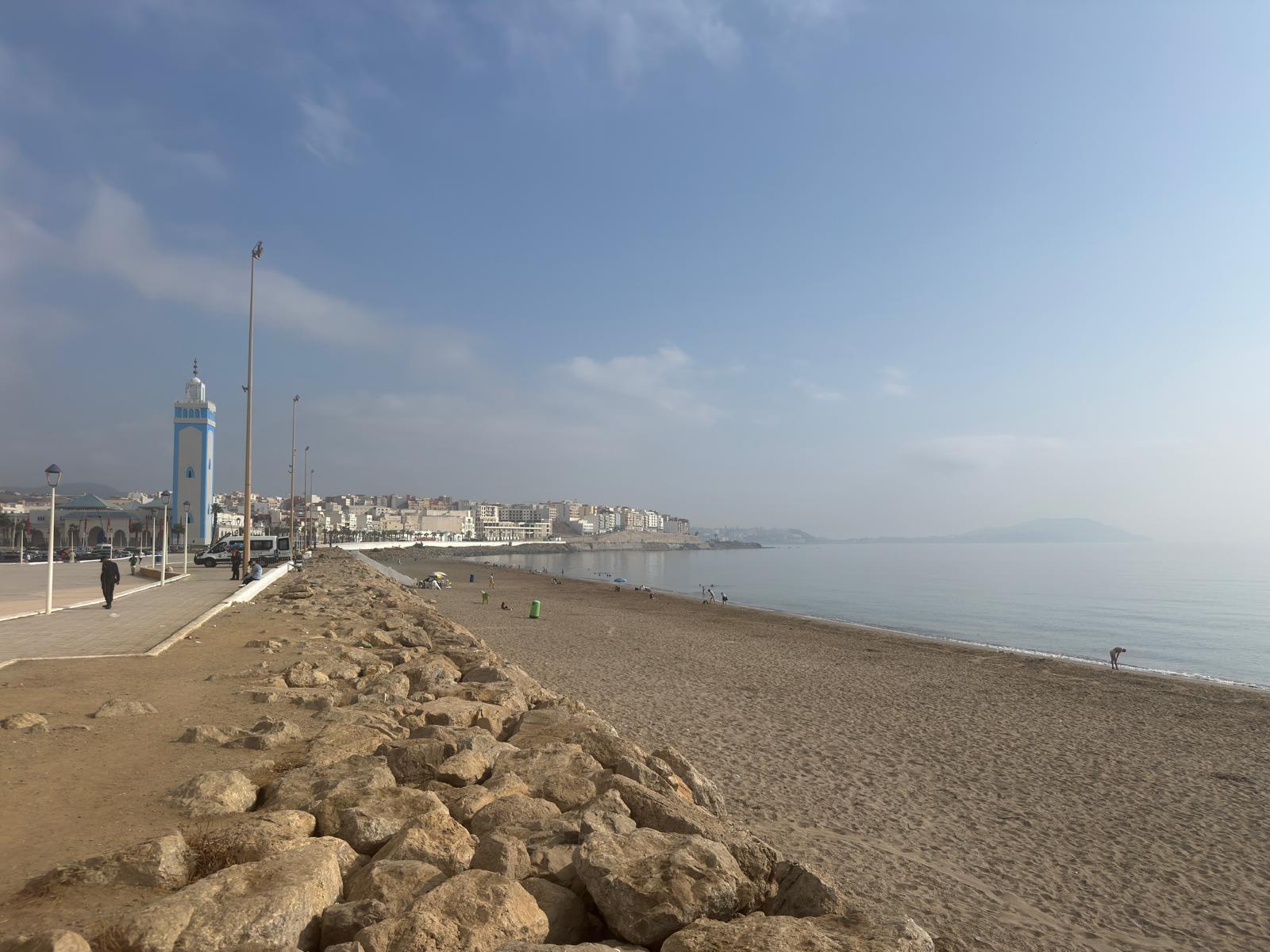
Die Lage am Strand in der Nähe von Fnideq am Samstagmorgen.
Photo: nius.de

Authorities from both countries were intent on avoiding a repetition of the late July events, when an estimated 80,000 migrants reached Ceuta. Spanish Interior Minister Fernando Grande-Marlaska recently reiterated that the July mass incursion was an exceptional occurrence that would not be allowed to happen again.

The Moroccan Interior Ministry confirmed that all necessary measures had been implemented to prevent illegal border crossings. Security arrangements on the Moroccan side had been significantly intensified in recent days. In Fnideq, authorities erected additional barriers using barbed wire and NATO-standard concertina wire.

Patrol boats monitored the coastal waters while water cannons stood ready at the border. Numerous checkpoints were established on access roads leading to the frontier zone. On the Spanish side, 880 officers from the National Police were deployed to Ceuta, representing an increase of 270 officers compared to late July. They were supported by approximately 2,000 soldiers and 700 officers from the Guardia Civil police unit.
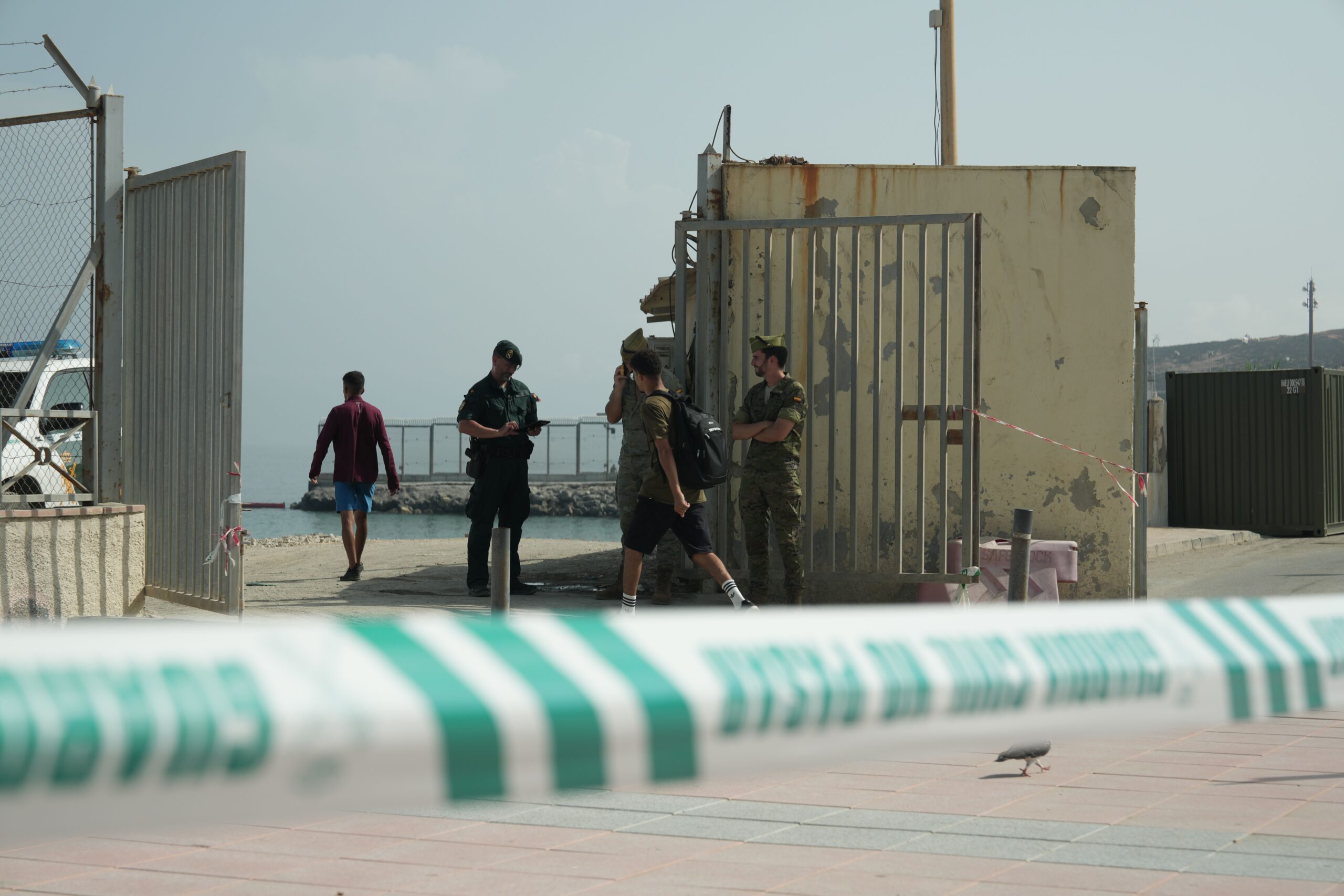
Mitglieder des spanischen Militärs und der Polizei stehen am Grenzübergang zwischen der spanischen Exklave und Marokko.
Photo: nius.de

The coordinated security response demonstrated the determination of both governments to maintain border integrity and prevent another mass breach. The reinforced defensive posture, combining physical barriers, surveillance technology, and overwhelming personnel numbers, proved effective in deterring the planned August 15 assault.

The incident highlights ongoing migration pressures on European borders and the challenges faced by Spanish exclaves on the North African coast. Ceuta, along with Melilla, represents one of the European Union’s only land borders with Africa, making it a prime target for mass migration attempts.

With information from Nius

Share:
Dimitris Papafotis
Dimitris Papafotis

Dimitris Papafotis is the editor-in-chief of NewsFire.GR. He was born and raised in Athens. He studied at the Journalism Workshop (1991-1993). He currently lives in Pyrgos, Ilia, where he has been active in radio and various newspapers, while also maintaining his personal blog, Papafotis.gr.

Recent News

Following an initial storming of Ceuta on July 30, reports circulated widely on social media calling for another attempt to breach the border on August 15. According to Nius, which had reporters on the ground in the Moroccan border town of Fnideq just kilometers from Ceuta, authorities from both nations were determined to prevent a repeat of the July incident.

Die Migranten sammeln sich auf einem grenznahen Hügel.
Photo: nius.de

The night leading into Saturday remained calm as Spanish and Moroccan forces erected a formidable defensive perimeter. Barbed wire, water cannons, patrol boats, and a substantial police presence lined both sides of the frontier. Helicopters, police units, and military personnel conducted continuous patrols to secure the border zone.

On Saturday morning, several hundred migrants gathered on a hill near the border and began moving toward the secured frontier. Nius reporters documented the unfolding situation, capturing footage of migrants congregating near Fnideq and apparently setting multiple fires in the area.

One migrant displayed climbing equipment to Marc Sierzputowski, a reporter for Nius, explaining his intention to use it to scale the border fence. The news team also spoke with a Nigerian migrant who was being detained in a police vehicle at the scene.

The Nius reporting team faced significant obstruction from Moroccan authorities. On the previous evening, the journalists were harassed, detained, and ultimately forced by Moroccan security forces to delete all video material they had gathered. Despite this interference, the team continued documenting the border situation throughout the following day.

Die Grenze zu Ceuta wurde massiv gesichert.
Photo: nius.de

By Saturday morning, the border remained intact and heavily guarded. On the Moroccan side, police and military vehicles were positioned every few meters along the frontier, maintaining strict surveillance of the area.

Die Lage am Strand in der Nähe von Fnideq am Samstagmorgen.
Photo: nius.de

Authorities from both countries were intent on avoiding a repetition of the late July events, when an estimated 80,000 migrants reached Ceuta. Spanish Interior Minister Fernando Grande-Marlaska recently reiterated that the July mass incursion was an exceptional occurrence that would not be allowed to happen again.

The Moroccan Interior Ministry confirmed that all necessary measures had been implemented to prevent illegal border crossings. Security arrangements on the Moroccan side had been significantly intensified in recent days. In Fnideq, authorities erected additional barriers using barbed wire and NATO-standard concertina wire.

Patrol boats monitored the coastal waters while water cannons stood ready at the border. Numerous checkpoints were established on access roads leading to the frontier zone. On the Spanish side, 880 officers from the National Police were deployed to Ceuta, representing an increase of 270 officers compared to late July. They were supported by approximately 2,000 soldiers and 700 officers from the Guardia Civil police unit.

Mitglieder des spanischen Militärs und der Polizei stehen am Grenzübergang zwischen der spanischen Exklave und Marokko.
Photo: nius.de

The coordinated security response demonstrated the determination of both governments to maintain border integrity and prevent another mass breach. The reinforced defensive posture, combining physical barriers, surveillance technology, and overwhelming personnel numbers, proved effective in deterring the planned August 15 assault.

The incident highlights ongoing migration pressures on European borders and the challenges faced by Spanish exclaves on the North African coast. Ceuta, along with Melilla, represents one of the European Union’s only land borders with Africa, making it a prime target for mass migration attempts.

With information from Nius