Spanish Migration Crisis: Judge Reports “Unprecedented” Rise in Sex Crimes in Ceuta
A Spanish judge warns of an unprecedented surge in sexual crimes in Ceuta following a massive influx of Moroccan migrants that has overwhelmed the enclave's public services.
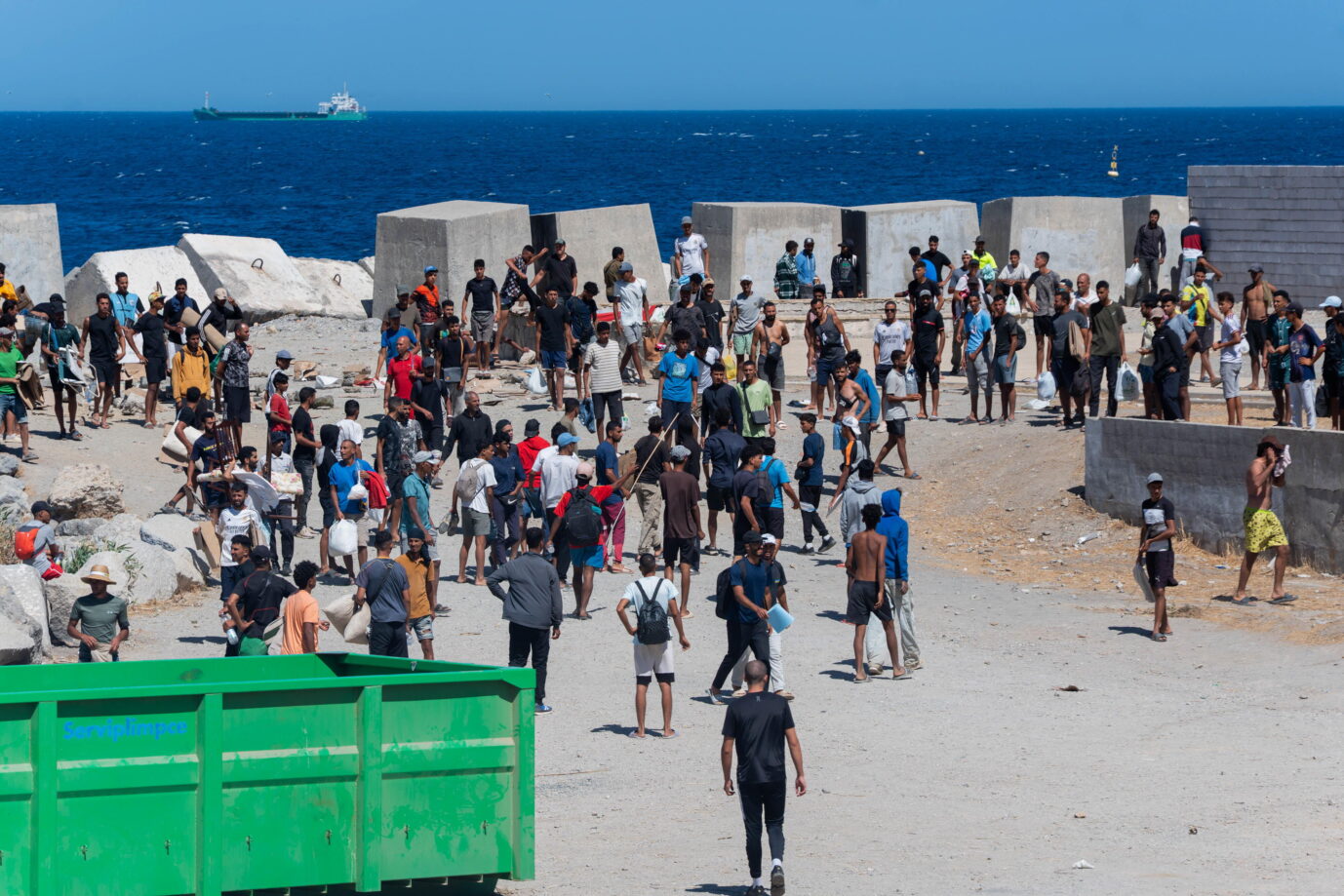

Judge Silvia Rojas, who has served in Ceuta since 2020, told Spanish newspaper El País that sexual offences have increased exponentially since the migrant influx began, according to Junge Freiheit. The enclave has recorded 23 reports of sexual assault since the beginning of the migration crisis, averaging nearly one attack per day.
However, Judge Rojas believes the actual figures are likely far higher. Many victims fail to report attacks either out of fear or due to their precarious status in Ceuta, she explained. The prosecutor’s office has emphasized the urgent need for protective measures for victims, ranging from restraining orders and contact prohibitions to more restrictive measures including pre-trial detention.
Among the victims are underage female migrants who are particularly vulnerable due to their irregular residence status. Authorities are currently investigating eight men in connection with these cases: four Moroccan nationals, three Spanish citizens, and one Belgian.
Healthcare and Social Services on the Brink of Collapse
Judge Rojas described the recent migration wave as completely unprecedented during her tenure. Ceuta is a small city with approximately 80,000 residents, yet the estimated number of new arrivals stands at nearly 70,000 people. This means one population has essentially invaded another territory, she stated, calling it an event never before witnessed.
This massive influx has led to the collapse of most public services. Youth welfare offices are overwhelmed, while the healthcare and education systems are on the verge of total breakdown.
According to Prime Minister Pedro Sánchez, around 1,200 unaccompanied minors currently remain in the city. Judge Rojas places the figure even higher, at up to 1,600 individuals. The autonomous city is theoretically equipped to accommodate only 29 minors. A royal decree from 2025 provides for the possibility of implementing emergency measures when 87 or more minors are present.
Authorities remain unclear on how Ceuta will proceed with managing the crisis. One option under consideration is a territorial distribution of the minors across Spain. Subsequently, a child protection commission would determine which cases warrant deportation or family reunification.
With information from Junge Freiheit