Necessary Cookies

Required for the site to function. Cannot be disabled.

Analytics Cookies

Help us understand how visitors interact with our site (Google Analytics via GTM).

Marketing Cookies

Used to track visitors and deliver personalised advertisements.

We use cookies to enhance your browsing experience and analyse site traffic. By clicking Accept All, you consent to our use of cookies. Privacy Policy
NewsFire Global
Home News Europe World Christianity Culture Wars Opinion Video
Information
About Us Authors Advertising Terms & Conditions Privacy Policy Contact
R2B Media
R2B NEWSFIRE.GR PAPAFOTIS.GR THRACTION HELLENIC CONSERVATIVES RIGHT2THEBONE YT
News World

Saudi Arabia Impaled on the Horns of the Houthi Dilemma

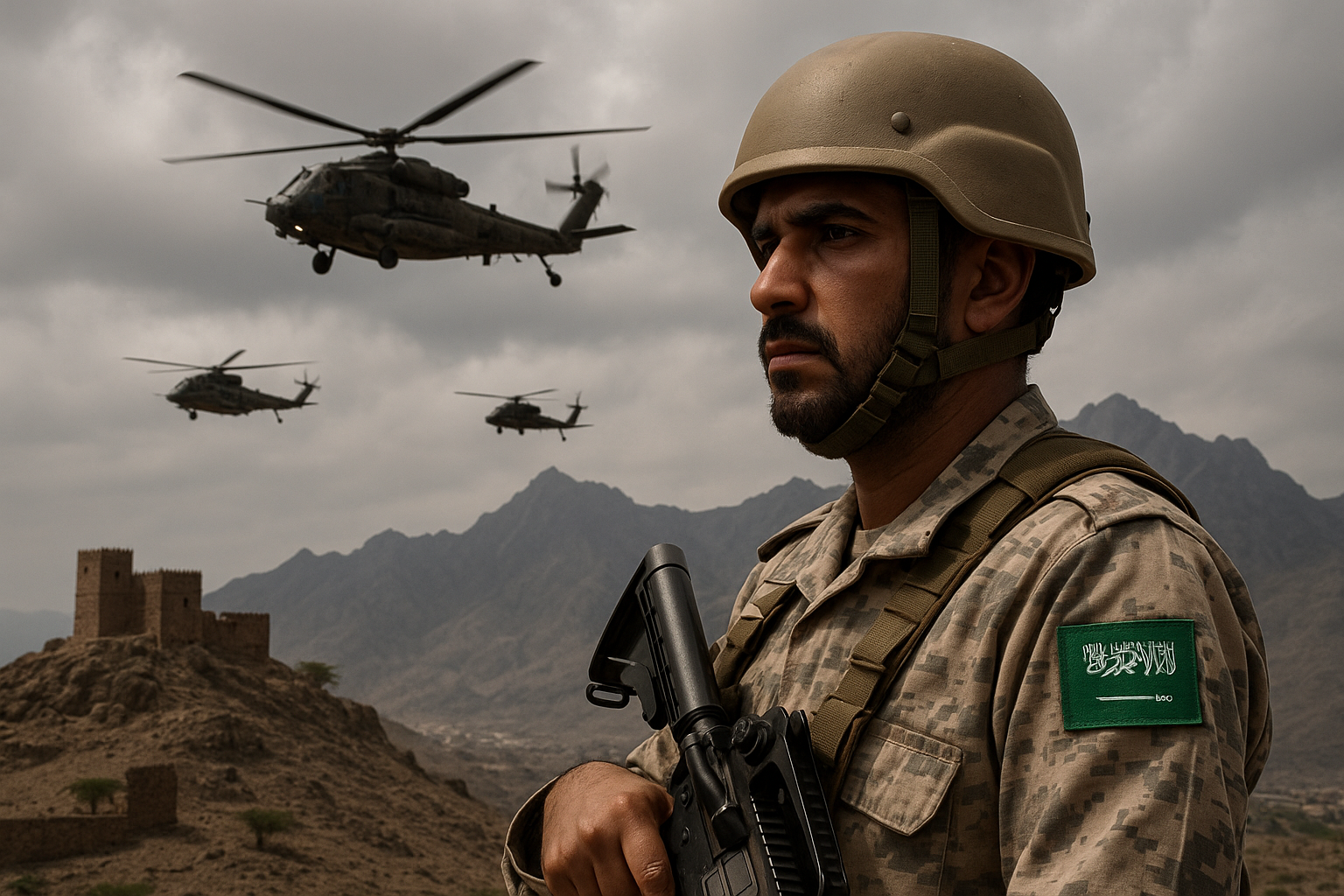
Saudi Arabia remains trapped in a strategic stalemate with Yemen's Iran-backed Houthis, unable to defeat them militarily yet unwilling to cede control as regional tensions rise over Iranian air links.

AUGUST 11, 2026 AT 5:20 PM

The Houthis have calculated that a prolonged crisis serves their interests better than those of Riyadh, according to Causeur. Following the failure of the Saudi military intervention launched in 2015 and the collapse of its alliance with the United Arab Emirates, the kingdom now seeks to contain Ansar Allah without fighting alone or abandoning Yemen entirely.

Recent Houthi attacks against Yemeni factions backed by Saudi Arabia demonstrate that the conflict remains far from resolution. Some of these factions had reportedly been considering launching an offensive against Houthi-held territories before the strikes occurred.

From Peripheral Insurgency to Dominant Force

Since the 2011 revolution, the Houthis have transformed from a peripheral mountain insurgency in northern Yemen into the country’s dominant military force. After seizing the capital Sanaa in 2014, they successfully resisted the Saudi-led intervention that followed the next year.

Cooperation with Iran’s Revolutionary Guards has dramatically enhanced Houthi capabilities, particularly in missiles and drones. However, this partnership does not reduce them to mere Iranian proxies. The two allies maintain convergent interests while the Houthis preserve their independent agenda.

Eight years of costly warfare ultimately convinced Riyadh that containment was achievable but outright military victory was not. A truce concluded in 2022 followed by direct negotiations established a working arrangement. Strikes against Saudi territory ceased in exchange for reduced military pressure and prospects of financial support, though stopping short of a complete lifting of the blockade.

The July 2026 Crisis Point

This fragile equilibrium shattered in July 2026 when Iran attempted to establish a direct air link between Tehran and Sanaa. Emboldened by Iranian successes, the Houthis now aim to consolidate their dominance over Yemen and establish themselves as an indispensable regional actor.

This crossing of a strategic threshold presents Riyadh with an unsolvable problem. Like Iran in the Strait of Hormuz, the Houthis appear unwilling to accept a status quo where Saudi Arabia can impose or support a maritime, land and air blockade of territories under their control without exposing itself to direct retaliation.

Yet lifting these restrictions carries significant risks. Complete opening of Yemen would facilitate Iranian delivery of weapons, missile and drone components, and military advisers. The July 2026 incident demonstrated that Riyadh considers this a red line.

The Iranian Flight Incident

On July 3rd, an Iranian aircraft reached Houthi-controlled territory to collect a delegation traveling to Tehran to attend the funeral of Ali Khamenei. Ten days later, upon the delegation’s return, Yemeni authorities backed by Saudi Arabia prohibited the aircraft from landing in Sanaa, then struck the airport runway, forcing it to divert to Hodeïda.

Officially, the plane carried delegation members and Yemeni civilians. However, Riyadh and its allies suspected it also transported Revolutionary Guard commanders, advisers, military equipment and components for Houthi missiles and drones. By encouraging its Yemeni allies to prevent the flight through force if necessary, the kingdom clearly signaled it would not tolerate establishment of an air bridge between Tehran and Houthi Yemen.

Threatened Oil Infrastructure

Renewed hostilities offer little appeal for Saudi Arabia. Open warfare risks returning Riyadh to a costly, endless conflict without decisive results, precisely what it has spent years trying to escape.

The precedent of September 2019 remains fresh in Saudi memory. Strikes against the Abqaïq and Khurais oil facilities, claimed by the Houthis but widely attributed to Iran, temporarily halved Saudi production. Washington’s failure to mount a military response shook Riyadh’s confidence in American security guarantees.

Recent attacks, including strikes on the Aramco refinery in Jizan and against Saudi-backed Yemeni positions, demonstrate that the Houthis can again threaten the kingdom’s strategic infrastructure. They also possess the means to disrupt maritime routes through the Red Sea.

Hindering navigation through the Bab el-Mandeb strait while traffic through the Strait of Hormuz remains nearly paralyzed would deliver a major blow to the kingdom, its oil exports, and development projects along the western coast.

Saudi Arabia faces an unenviable choice: accept Houthi consolidation as a permanent regional power with direct Iranian support, or risk renewed conflict that proved unwinnable the first time. Neither option offers a clear path forward for Riyadh’s strategic interests in the Arabian Peninsula.

With information from Causeur

Share:
Eleni Papadaki-Van Der Merwe

She was born in 1986 in Johannesburg, South Africa. She is the granddaughter of an immigrant from Crete who settled in the Greek community of Johannesburg (one of the largest in Africa). She holds a bachelor’s degree in International Relations and Political Science from the University of the Witwatersrand (Wits) in Johannesburg and a master’s degree in Journalism from Rhodes University in Grahamstown. She began her career at English-language media outlets in Johannesburg, covering politics and economics, with a focus on issues related to migration and the diaspora. She moved to Athens in 2015 to “return to her roots,” initially to pursue graduate studies, and has remained there permanently. She is married to an Afrikaner; they have two children and live in the southern suburbs of Athens.

The Houthis have calculated that a prolonged crisis serves their interests better than those of Riyadh, according to Causeur. Following the failure of the Saudi military intervention launched in 2015 and the collapse of its alliance with the United Arab Emirates, the kingdom now seeks to contain Ansar Allah without fighting alone or abandoning Yemen entirely.

Recent Houthi attacks against Yemeni factions backed by Saudi Arabia demonstrate that the conflict remains far from resolution. Some of these factions had reportedly been considering launching an offensive against Houthi-held territories before the strikes occurred.

From Peripheral Insurgency to Dominant Force

Since the 2011 revolution, the Houthis have transformed from a peripheral mountain insurgency in northern Yemen into the country’s dominant military force. After seizing the capital Sanaa in 2014, they successfully resisted the Saudi-led intervention that followed the next year.

Cooperation with Iran’s Revolutionary Guards has dramatically enhanced Houthi capabilities, particularly in missiles and drones. However, this partnership does not reduce them to mere Iranian proxies. The two allies maintain convergent interests while the Houthis preserve their independent agenda.

Eight years of costly warfare ultimately convinced Riyadh that containment was achievable but outright military victory was not. A truce concluded in 2022 followed by direct negotiations established a working arrangement. Strikes against Saudi territory ceased in exchange for reduced military pressure and prospects of financial support, though stopping short of a complete lifting of the blockade.

The July 2026 Crisis Point

This fragile equilibrium shattered in July 2026 when Iran attempted to establish a direct air link between Tehran and Sanaa. Emboldened by Iranian successes, the Houthis now aim to consolidate their dominance over Yemen and establish themselves as an indispensable regional actor.

This crossing of a strategic threshold presents Riyadh with an unsolvable problem. Like Iran in the Strait of Hormuz, the Houthis appear unwilling to accept a status quo where Saudi Arabia can impose or support a maritime, land and air blockade of territories under their control without exposing itself to direct retaliation.

Yet lifting these restrictions carries significant risks. Complete opening of Yemen would facilitate Iranian delivery of weapons, missile and drone components, and military advisers. The July 2026 incident demonstrated that Riyadh considers this a red line.

The Iranian Flight Incident

On July 3rd, an Iranian aircraft reached Houthi-controlled territory to collect a delegation traveling to Tehran to attend the funeral of Ali Khamenei. Ten days later, upon the delegation’s return, Yemeni authorities backed by Saudi Arabia prohibited the aircraft from landing in Sanaa, then struck the airport runway, forcing it to divert to Hodeïda.

Officially, the plane carried delegation members and Yemeni civilians. However, Riyadh and its allies suspected it also transported Revolutionary Guard commanders, advisers, military equipment and components for Houthi missiles and drones. By encouraging its Yemeni allies to prevent the flight through force if necessary, the kingdom clearly signaled it would not tolerate establishment of an air bridge between Tehran and Houthi Yemen.

Threatened Oil Infrastructure

Renewed hostilities offer little appeal for Saudi Arabia. Open warfare risks returning Riyadh to a costly, endless conflict without decisive results, precisely what it has spent years trying to escape.

The precedent of September 2019 remains fresh in Saudi memory. Strikes against the Abqaïq and Khurais oil facilities, claimed by the Houthis but widely attributed to Iran, temporarily halved Saudi production. Washington’s failure to mount a military response shook Riyadh’s confidence in American security guarantees.

Recent attacks, including strikes on the Aramco refinery in Jizan and against Saudi-backed Yemeni positions, demonstrate that the Houthis can again threaten the kingdom’s strategic infrastructure. They also possess the means to disrupt maritime routes through the Red Sea.

Hindering navigation through the Bab el-Mandeb strait while traffic through the Strait of Hormuz remains nearly paralyzed would deliver a major blow to the kingdom, its oil exports, and development projects along the western coast.

Saudi Arabia faces an unenviable choice: accept Houthi consolidation as a permanent regional power with direct Iranian support, or risk renewed conflict that proved unwinnable the first time. Neither option offers a clear path forward for Riyadh’s strategic interests in the Arabian Peninsula.

With information from Causeur