
Saudi Arabia Braces for Hajj Amid Health Threats
Saudi Arabia is implementing enhanced health screening protocols ahead of the May 25 Hajj pilgrimage, which expects 1.5 million attendees, citing concerns over Ebola outbreaks and other infectious diseases.
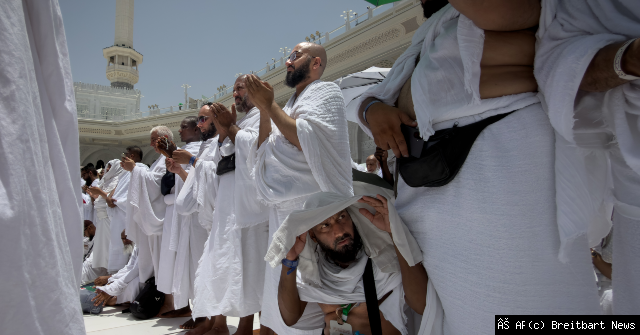

The annual Islamic pilgrimage to Mecca typically draws more than one million worshippers from across the globe. Saudi authorities have already begun implementing stricter precautionary measures for travelers arriving from high-risk regions, specifically Uganda, South Sudan, Rwanda, Burundi, Tanzania, and the Democratic Republic of Congo.
Travel screening intensified
According to the state-run Saudi Press Agency, enhanced health protocols have been particularly strengthened at airports and other international travel hubs. The Public Health Authority stated the nation remains “fully prepared to safeguard citizens, residents, and pilgrims” during the religious gathering, which represents one of the Five Pillars of Islam and is obligatory for all Muslims financially and physically capable of undertaking the journey.
The World Health Organization has designated the current Ebola threat level as low, though officials acknowledge delayed response times in tracking the Bundibugyo strain outbreak. Democratic Republic of Congo authorities faced significant delays—approximately one month—in identifying and confirming disease transmission. Regional instability and community resistance to treatment centers have further complicated containment efforts in the epicenter.
Security concerns compound health challenges
Beyond epidemiological considerations, Saudi Arabia faces heightened security pressures as it hosts the Hajj amidst ongoing regional tensions. Approximately 30,000 Iranian nationals are expected to participate in this year’s pilgrimage, adding complexity to an already volatile geopolitical situation.
The Kingdom, a Sunni-led monarchy and custodian of Islam’s holiest sites, has endured deteriorating relations with Iran, the world’s largest Shiite nation. After Iranian missile strikes on Saudi territory in March, Saudi Foreign Minister Prince Faisal bin Farhan declared that “what little trust there was before has completely been shattered.” He emphasized that rebuilding bilateral confidence would require substantial time and Iranian commitment to ceasing hostilities.
Relations between the two nations experienced a brief thaw in 2023 when Chinese mediation facilitated embassy reopenings. However, Iran’s resumed ballistic missile campaign, coupled with its longstanding support for regional militant proxies, reignited tensions following America’s military operations in the area.
The current ceasefire, though holding at present, remains indefinite. President Donald Trump has signaled willingness to negotiate a comprehensive agreement addressing Iran’s nuclear development program—a proposal Tehran has rejected. According to regional analysts, the upcoming Hajj may serve as an informal stabilizing factor, with multiple Muslim-majority nations reportedly requesting that military operations remain suspended during the pilgrimage period.
With information from Breitbart News





