Saudis Hedge Their Bets But Won’t Abandon American Alliance
Saudi Arabia, Turkey, and Pakistan signed a mutual defense pact that represents strategic hedging rather than a rejection of Western alliances, despite comparisons to NATO.
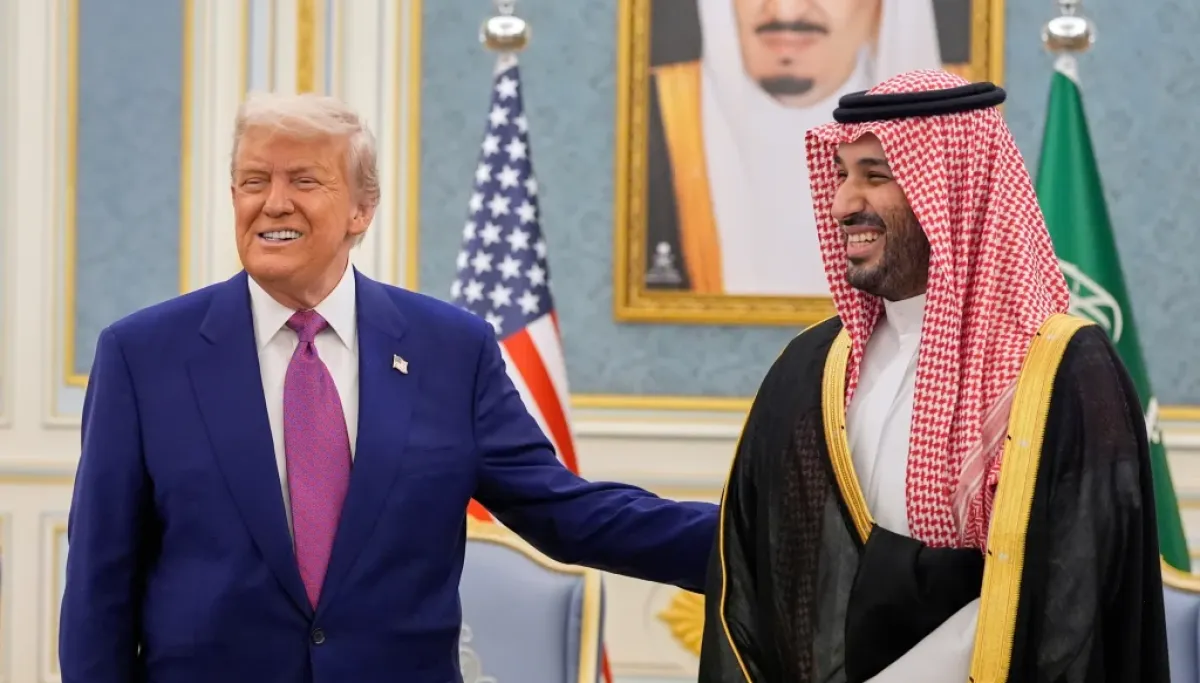

The Mecca Joint Defence Agreement, signed on August 7th, commits the three nations to treat an attack on any signatory as an attack on all. Yet just two days after the ink dried, Iran-aligned Houthi forces struck Saudi Arabia and Saudi-backed positions in Yemen, providing an immediate test of the pact’s credibility, according to Malik AboRashid writing in Washington Examiner.
While some analysts have dubbed the arrangement a “Sunni NATO,” this framing misses the mark. The agreement represents something far less dramatic: three regional powers seeking strategic autonomy and reducing their dependence on any single external guarantor. Critically, this does not constitute a rejection of the United States, and the U.S.-Saudi relationship in particular remains fundamentally unchanged.
Turkish Foreign Minister Hakan Fidan has drawn comparisons to NATO’s Article 5 mutual defence clause, but he has also acknowledged that the actual form and degree of any response would require consultations among members. This means no automatic military response exists. The pact lacks an integrated command structure, shared military doctrine, or any combat history of these three forces operating together.
The logistical reality is sobering. American-led operations against Iraq in 1991 and 2003 required months of preparation and staging, even with a single military under unified command. Coordinating Saudi, Turkish, and Pakistani forces on short notice presents far greater complications than the treaty language suggests.
In a genuine crisis, each signatory is likely to fall back on its most trusted alliance: Turkey on NATO, Pakistan on China, and Saudi Arabia on Washington. Pakistan has already deployed approximately 8,000 troops, a fighter squadron, and a Chinese-manufactured air defence system to the kingdom during the ongoing conflict with Iran, demonstrating that cooperation is feasible. However, this does not indicate that Riyadh has found a replacement for the American security relationship it has relied upon for eight decades.
Recent events have actually highlighted how much influence Washington retains over Saudi Arabia. On July 23rd, President Donald Trump stated that a newly signed U.S.-Saudi civil nuclear agreement was entirely contingent on Riyadh joining the Abraham Accords and normalising relations with Israel. This represents a significant new condition imposed on the very nation now portrayed as leading an independent security architecture. Pakistan, notably, had already declined a broader American request to join the Accords. The Mecca pact did nothing to diminish this American leverage.
This does not render the agreement worthless. Intelligence-sharing, coordinated air defence, and an established framework for consultation represent tangible, if modest, benefits. Even Iran’s Foreign Ministry acknowledged the pact this week, characterising it as evidence that regional states are relying more on their own capabilities rather than external powers.
Washington should interpret the Mecca agreement accurately: as a hedge, not a defection. Saudi Arabia is not choosing between America and a new regional bloc. It is pursuing what middle powers have always done when a single guarantor appears less reliable: diversifying risk. The U.S.-Saudi relationship, anchored in military basing, intelligence cooperation, arms sales, and now a nuclear deal that Riyadh desires enough to negotiate over Israel, remains intact. American policymakers need not compete with a supposed “Sunni NATO” because no such entity actually exists.
With information from Washington Examiner