Autism Definition So Broad It’s Become Meaningless
European researchers found autism diagnoses without intellectual disability increased 1,800% from 2001 to 2020 while severe autism cases remained flat, prompting experts to warn of diagnostic inflation.
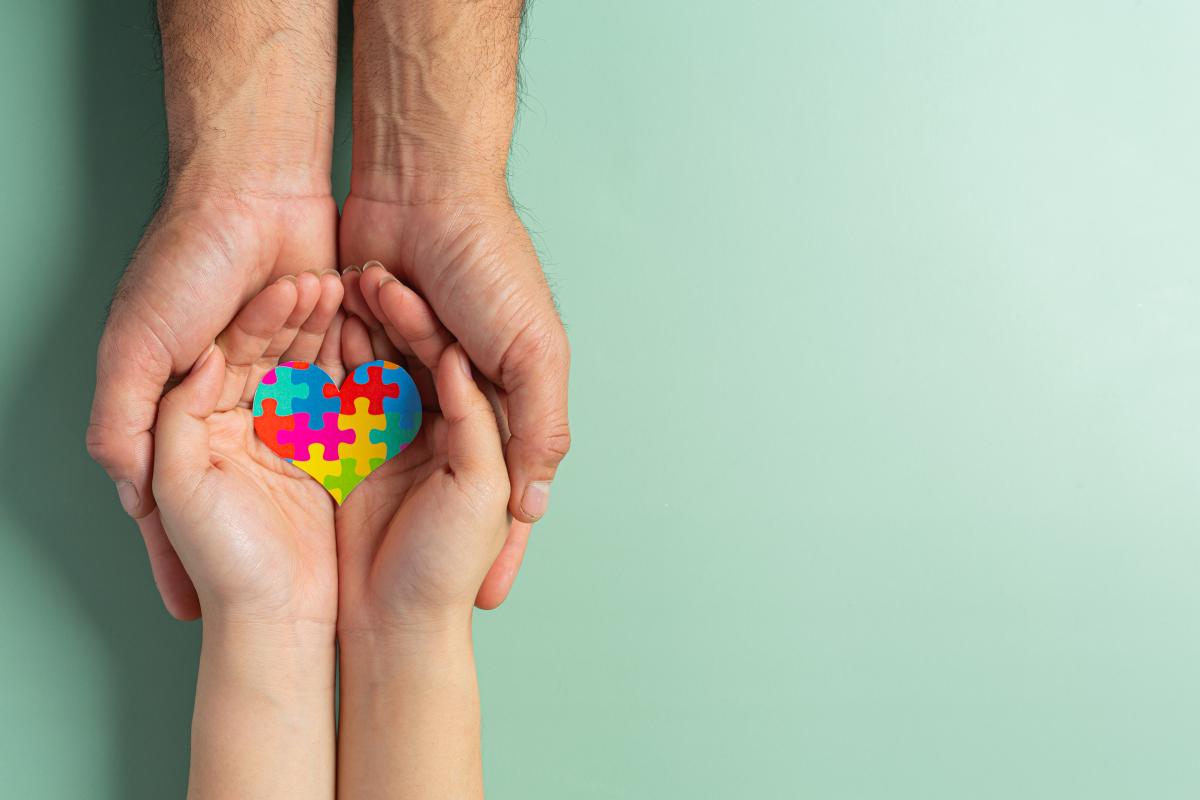

A shocking 1,800% increase in autism diagnoses over two decades may reflect diagnostic inflation rather than a genuine rise in the condition, with social media platforms fuelling self-diagnosis among young people who simply struggle with normal social challenges.
European researchers tracking autism diagnoses from 2001 to 2020 have uncovered a troubling trend, according to Dr. Leonard Sax writing in New York Post. While diagnoses of autism without intellectual disability skyrocketed by 1,800%, cases of severe autism with intellectual disability remained completely flat throughout the entire period.
The figures are stark: for every single person diagnosed with autism without intellectual disability in 2001, eighteen received the same diagnosis in 2020. Meanwhile, the number of people with severe autism stayed unchanged.
Veteran Researcher Warns of Pathologizing Normal Behaviour
Professor Uta Frith at University College London, who has spent six decades studying autism, has raised concerns about what she terms diagnostic inflation. The professor warns this trend risks pathologizing normal human variations, suggesting many individuals now labelled as autistic may simply be ordinary people experiencing typical difficulties with social interaction.
Dr. Sax, a family physician with over three decades of clinical experience, agrees with Professor Frith’s assessment. He points to social media as a significant driver of the problem, with platforms like TikTok encouraging self-diagnosis based on questionable criteria.
TikTok Videos Spread Misleading Information
One viral TikTok video with more than 11 million views presents various statements to viewers, suggesting they may be on the autism spectrum if they agree. Among the supposed indicators: disliking phone conversations because they are stressful. Dr. Sax notes that approximately half of all adults he treats would endorse that statement.
American researchers who examined 100 popular TikTok videos about autism found them unsatisfactory and often misleading. Additional research has documented that clinicians now diagnose autism based on far fewer symptoms than two decades ago, lowering the threshold significantly.
The Appeal of a Diagnosis
Professor Frith observes that teenagers and adults newly diagnosed with autism frequently report overwhelmingly positive effects from receiving the label. They claim the diagnosis explains lifelong struggles and frees them from self-blame, making the label itself therapeutic without requiring any formal treatment.
Yet this therapeutic appeal creates a serious problem, Dr. Sax argues. Transforming normal human variation into a diagnostic label allows individuals to avoid personal responsibility. Saying “I’m on the spectrum” sounds preferable to admitting “I have trouble making friends” or “I feel socially awkward.”
The former shifts responsibility away from the individual. If someone has trouble making friends, they might need to make more effort. But claiming to be on the spectrum reframes the issue as an unchangeable identity marker, part of being neurodivergent rather than a challenge to overcome.
Broader Trend of Rising Psychiatric Diagnoses
The autism diagnostic trend reflects a wider pattern. In the new edition of his book “Boys Adrift: The Six Factors Driving the Growing Epidemic of Unmotivated Boys and Underachieving Young Men,” Dr. Sax examines the explosion of psychiatric diagnoses in the United States. Centres for Disease Control data show that 23% of 17-year-old American boys have now been diagnosed with ADHD, with most taking medication.
As recently as 1987, the American Psychiatric Association estimated that ADHD might occur in as many as 3% of children. The figure has jumped from 3 in 100 to nearly 1 in 4 over just four decades.
Dr. Sax urges people to resist the temptation to medicalize normal human struggles. Those who feel uncomfortable talking on the phone or have difficulty making friends should avoid labelling themselves as being on the spectrum. Instead, they should find the courage to try harder and make genuine efforts to connect with others. Change is possible, he insists, based on what he has witnessed in his clinical practice.
With information from New York Post