Necessary Cookies

Required for the site to function. Cannot be disabled.

Analytics Cookies

Help us understand how visitors interact with our site (Google Analytics via GTM).

Marketing Cookies

Used to track visitors and deliver personalised advertisements.

We use cookies to enhance your browsing experience and analyse site traffic. By clicking Accept All, you consent to our use of cookies. Privacy Policy
NewsFire Global
Home News Europe World Christianity Culture Wars Opinion Video
Information
About Us Authors Advertising Terms & Conditions Privacy Policy Contact
R2B Media
R2B NEWSFIRE.GR PAPAFOTIS.GR THRACTION HELLENIC CONSERVATIVES RIGHT2THEBONE YT
News World

If America Won’t Build Saudi Reactors, Beijing Will

The stalled Saudi-Israel diplomatic progress has created an opening for China to supply nuclear technology to Riyadh if U.S. negotiations fail to address the kingdom's security concerns.

AUGUST 14, 2026 AT 7:21 PM

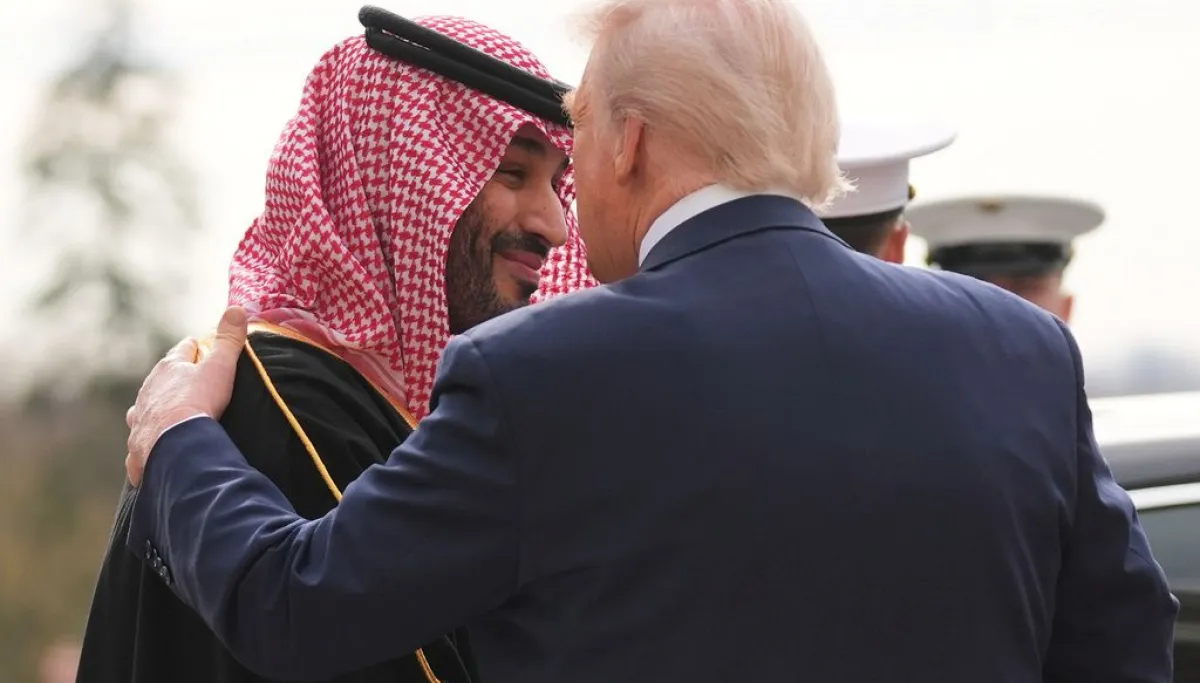
American strategic interests in the Gulf have suffered from the current diplomatic impasse, according to Michael Schwartz writing in Washington Examiner. Saudi Arabia’s core security priorities center on protecting critical infrastructure and countering the existential threat posed by a potential Iranian nuclear weapon. These concerns help explain why the kingdom is aggressively pursuing its own nuclear program, including uranium enrichment and fuel reprocessing capabilities that could provide a pathway to weaponization.

While China appears unable to address Saudi Arabia’s immediate security needs, it has emerged as a major player in the kingdom’s nuclear strategy. Schwartz previously outlined how China stood to gain significantly from the now-defunct U.S.-Iran memorandum of understanding. The diplomatic fallout with Riyadh over nuclear negotiations has created yet another opening for Beijing to expand its regional footprint by supplying nuclear technology to Saudi Arabia should American talks fail.

Saudi Power Sector Economics Don’t Add Up

Currently, approximately 65 percent of Saudi electricity generation comes from natural gas, with oil providing most of the remainder. The kingdom’s Vision 2030 initiative aims to replace virtually all oil-fired power generation with natural gas and renewable energy sources by decade’s end.

Any nuclear power program launched after 2030 would therefore displace natural gas rather than oil, freeing up gas for export as liquefied natural gas or petrochemical feedstock. However, achieving this would require roughly 35 gigawatts of nuclear generating capacity—more than five times the capacity installed by the United Arab Emirates under its Barakah project, which took 15 years and approximately $30 billion to complete.

Despite Saudi Arabia’s abundant financial resources and long planning horizons, nuclear power would prove far more expensive than the natural gas it would replace. This suggests that economics alone cannot explain the nuclear push. Instead, national prestige, regional competition with the UAE, or other strategic factors appear to be driving Riyadh’s atomic ambitions.

The Gold Standard That Wasn’t

The 2009 UAE-U.S. nuclear cooperation agreement, known as a 123 Agreement, set what became known as the gold standard for civilian nuclear programs. Under its terms, the UAE renounced uranium enrichment and spent fuel reprocessing while committing to the Nuclear Non-Proliferation Treaty Additional Protocol. These safeguards strengthened bilateral confidence and helped pave the way for the UAE to join the Abraham Accords.

One might expect any Saudi nuclear agreement to follow the UAE template. Instead, the Saudi deal included virtually none of these critical safeguards. The explanation may lie in Saudi Arabia’s alternative nuclear options. If Saudi leadership genuinely seeks nuclear weapons capability, it could potentially obtain that through Pakistan. Following the UAE model would not necessarily preclude this pathway while eliminating a potential trigger for renegotiating the Emirates’ agreement.

Yet these considerations apparently failed to persuade Saudi decision-makers to accept similar restrictions.

China’s Nuclear Supply Chain Dominance

The Chinese connection to Saudi nuclear ambitions runs deep. China has deployed approximately 16 modern nuclear plants based on American technology, creating the world’s most advanced nuclear supply chain in the process. Beijing would likely offer the most cost-competitive contracting option for any Saudi nuclear program, absent buy-America requirements tied to a U.S. agreement.

Saudi Arabia understands it can turn to China as an alternative supplier. Moreover, Beijing would almost certainly impose far fewer restrictions on enrichment and reprocessing capabilities than Washington. This dynamic has enabled Riyadh to negotiate aggressively with the Trump administration, using the prospect of Chinese nuclear cooperation as leverage to extract American concessions.

The strategy nearly succeeded until President Donald Trump demanded that Saudi Arabia join the Abraham Accords as part of any comprehensive deal. This requirement has proven to be a dealbreaker. Article 2 of the Accords requires signatories to recognize and respect one another’s sovereignty. While elements within the Saudi religious establishment might support peace with Israel, any acceptable terms would likely require deliberate ambiguity regarding permanency and would need to avoid explicit recognition of Israeli sovereignty over territories previously under Muslim control.

Strategic Imperative for Washington

American interests dictate solidifying economic and security arrangements with Saudi Arabia, including a Section 123 Agreement, while creating a viable pathway toward peace with Israel. The United States should make clear its support for a Saudi civilian nuclear program while firmly opposing fuel reprocessing or enrichment capabilities and requiring adherence to International Atomic Energy Agency protocols.

The alternative—allowing China to fill the nuclear cooperation vacuum—would represent a significant strategic setback for American influence in the Gulf and the broader Middle East region.

With information from Washington Examiner

Share:
Eleni Papadaki-Van Der Merwe

She was born in 1986 in Johannesburg, South Africa. She is the granddaughter of an immigrant from Crete who settled in the Greek community of Johannesburg (one of the largest in Africa). She holds a bachelor’s degree in International Relations and Political Science from the University of the Witwatersrand (Wits) in Johannesburg and a master’s degree in Journalism from Rhodes University in Grahamstown. She began her career at English-language media outlets in Johannesburg, covering politics and economics, with a focus on issues related to migration and the diaspora. She moved to Athens in 2015 to “return to her roots,” initially to pursue graduate studies, and has remained there permanently. She is married to an Afrikaner; they have two children and live in the southern suburbs of Athens.

American strategic interests in the Gulf have suffered from the current diplomatic impasse, according to Michael Schwartz writing in Washington Examiner. Saudi Arabia’s core security priorities center on protecting critical infrastructure and countering the existential threat posed by a potential Iranian nuclear weapon. These concerns help explain why the kingdom is aggressively pursuing its own nuclear program, including uranium enrichment and fuel reprocessing capabilities that could provide a pathway to weaponization.

While China appears unable to address Saudi Arabia’s immediate security needs, it has emerged as a major player in the kingdom’s nuclear strategy. Schwartz previously outlined how China stood to gain significantly from the now-defunct U.S.-Iran memorandum of understanding. The diplomatic fallout with Riyadh over nuclear negotiations has created yet another opening for Beijing to expand its regional footprint by supplying nuclear technology to Saudi Arabia should American talks fail.

Saudi Power Sector Economics Don’t Add Up

Currently, approximately 65 percent of Saudi electricity generation comes from natural gas, with oil providing most of the remainder. The kingdom’s Vision 2030 initiative aims to replace virtually all oil-fired power generation with natural gas and renewable energy sources by decade’s end.

Any nuclear power program launched after 2030 would therefore displace natural gas rather than oil, freeing up gas for export as liquefied natural gas or petrochemical feedstock. However, achieving this would require roughly 35 gigawatts of nuclear generating capacity—more than five times the capacity installed by the United Arab Emirates under its Barakah project, which took 15 years and approximately $30 billion to complete.

Despite Saudi Arabia’s abundant financial resources and long planning horizons, nuclear power would prove far more expensive than the natural gas it would replace. This suggests that economics alone cannot explain the nuclear push. Instead, national prestige, regional competition with the UAE, or other strategic factors appear to be driving Riyadh’s atomic ambitions.

The Gold Standard That Wasn’t

The 2009 UAE-U.S. nuclear cooperation agreement, known as a 123 Agreement, set what became known as the gold standard for civilian nuclear programs. Under its terms, the UAE renounced uranium enrichment and spent fuel reprocessing while committing to the Nuclear Non-Proliferation Treaty Additional Protocol. These safeguards strengthened bilateral confidence and helped pave the way for the UAE to join the Abraham Accords.

One might expect any Saudi nuclear agreement to follow the UAE template. Instead, the Saudi deal included virtually none of these critical safeguards. The explanation may lie in Saudi Arabia’s alternative nuclear options. If Saudi leadership genuinely seeks nuclear weapons capability, it could potentially obtain that through Pakistan. Following the UAE model would not necessarily preclude this pathway while eliminating a potential trigger for renegotiating the Emirates’ agreement.

Yet these considerations apparently failed to persuade Saudi decision-makers to accept similar restrictions.

China’s Nuclear Supply Chain Dominance

The Chinese connection to Saudi nuclear ambitions runs deep. China has deployed approximately 16 modern nuclear plants based on American technology, creating the world’s most advanced nuclear supply chain in the process. Beijing would likely offer the most cost-competitive contracting option for any Saudi nuclear program, absent buy-America requirements tied to a U.S. agreement.

Saudi Arabia understands it can turn to China as an alternative supplier. Moreover, Beijing would almost certainly impose far fewer restrictions on enrichment and reprocessing capabilities than Washington. This dynamic has enabled Riyadh to negotiate aggressively with the Trump administration, using the prospect of Chinese nuclear cooperation as leverage to extract American concessions.

The strategy nearly succeeded until President Donald Trump demanded that Saudi Arabia join the Abraham Accords as part of any comprehensive deal. This requirement has proven to be a dealbreaker. Article 2 of the Accords requires signatories to recognize and respect one another’s sovereignty. While elements within the Saudi religious establishment might support peace with Israel, any acceptable terms would likely require deliberate ambiguity regarding permanency and would need to avoid explicit recognition of Israeli sovereignty over territories previously under Muslim control.

Strategic Imperative for Washington

American interests dictate solidifying economic and security arrangements with Saudi Arabia, including a Section 123 Agreement, while creating a viable pathway toward peace with Israel. The United States should make clear its support for a Saudi civilian nuclear program while firmly opposing fuel reprocessing or enrichment capabilities and requiring adherence to International Atomic Energy Agency protocols.

The alternative—allowing China to fill the nuclear cooperation vacuum—would represent a significant strategic setback for American influence in the Gulf and the broader Middle East region.

With information from Washington Examiner