Renewed War Sparks Fresh GOP Midterm Concerns
Republican strategists worry Iran military escalation could hurt GOP midterm prospects as polling shows 58.3 percent oppose the conflict and rising gas prices threaten economic messaging.
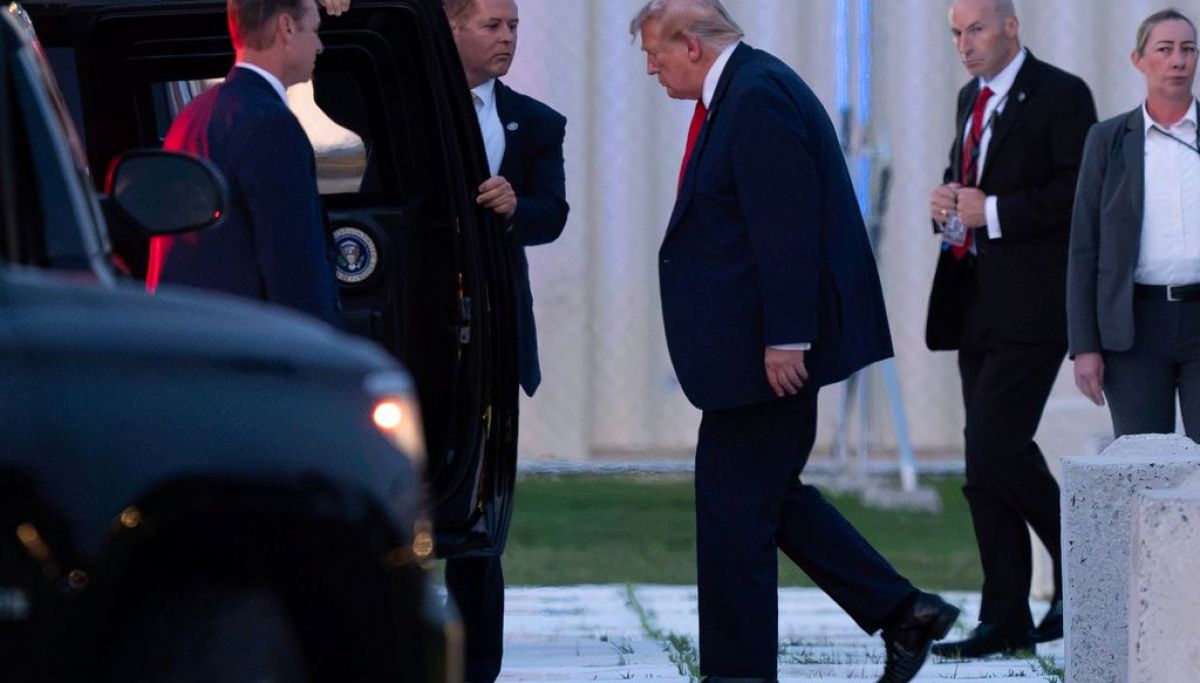

In an analysis published by Washington Examiner, Byron York contends that after months in what he describes as a gray area between war and peace, recent events have transformed the situation into an unmistakable armed conflict with serious political ramifications for the GOP.
Three American service members were killed in Jordan on Friday, raising the total number of U.S. deaths in the conflict to 17. More than 400 have been wounded. On Monday, U.S. Central Command confirmed a tenth consecutive day of strikes against Iran. Fox News reported that President Donald Trump was weighing a return to full-scale war operations against Iran.

Republican operatives are expressing deep anxiety about how the war’s trajectory could impact congressional races. One GOP strategist, speaking anonymously, stated that not a single Republican strategist or campaign believes continued hostilities benefit their chances in the midterms.
While the war does not currently rank as voters’ primary concern—that distinction belongs to the cost of living and the broader economy, followed by healthcare and immigration—it remains a significant worry. The connection between military conflict and rising gas prices, a critical component of cost-of-living anxieties, gives the war substantial potential to derail Republican hopes. Gas prices are currently climbing again.
Public opinion polling reveals substantial opposition to the conflict. Polling analyst Nate Silver’s average shows 58.3 percent oppose the war versus 33.8 percent in support. The RealClearPolitics average on approval of Trump’s handling of the war stands at 60.4 percent disapprove versus 37 percent approve.
The Republican strategist noted a dramatic shift in public sentiment, explaining that two weeks after the war started, polling was evenly split. Now opposition has surged past 60 percent. Particularly alarming for Republicans is the behavior of independent voters on this issue, with the strategist observing that independents are acting like Democrats on the Iran conflict.
The war’s unpredictability continues to unsettle many Republicans. The conflict has now entered its fifth month, despite Trump’s repeated promises of a quick victory. When pressed about the duration, the president has occasionally referenced that the United States was in Vietnam for 19 years—an answer that evokes America’s most notorious military quagmire.
Trump has repeatedly stated that an end to the war was imminent and that Iranian officials desperately wanted a deal. However, lengthy negotiations produced a memorandum of understanding that many Americans viewed as disadvantageous to U.S. interests, which Iran began violating immediately after its signing.
With the war escalating once again and November’s elections approaching, Republican strategists and candidates face an increasingly worrisome political landscape shaped by a conflict whose trajectory remains uncertain.
With information from Washington Examiner