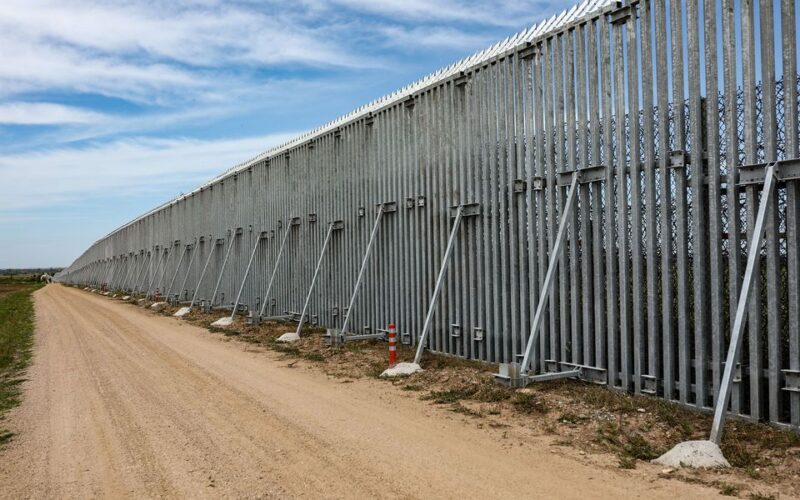
Migrant Rush on Europe: Ceuta in State of Emergency
Nearly 100,000 men stormed the border from Morocco into Spanish exclave Ceuta in the largest assault on an EU external border in years, with many remaining despite forced returns.


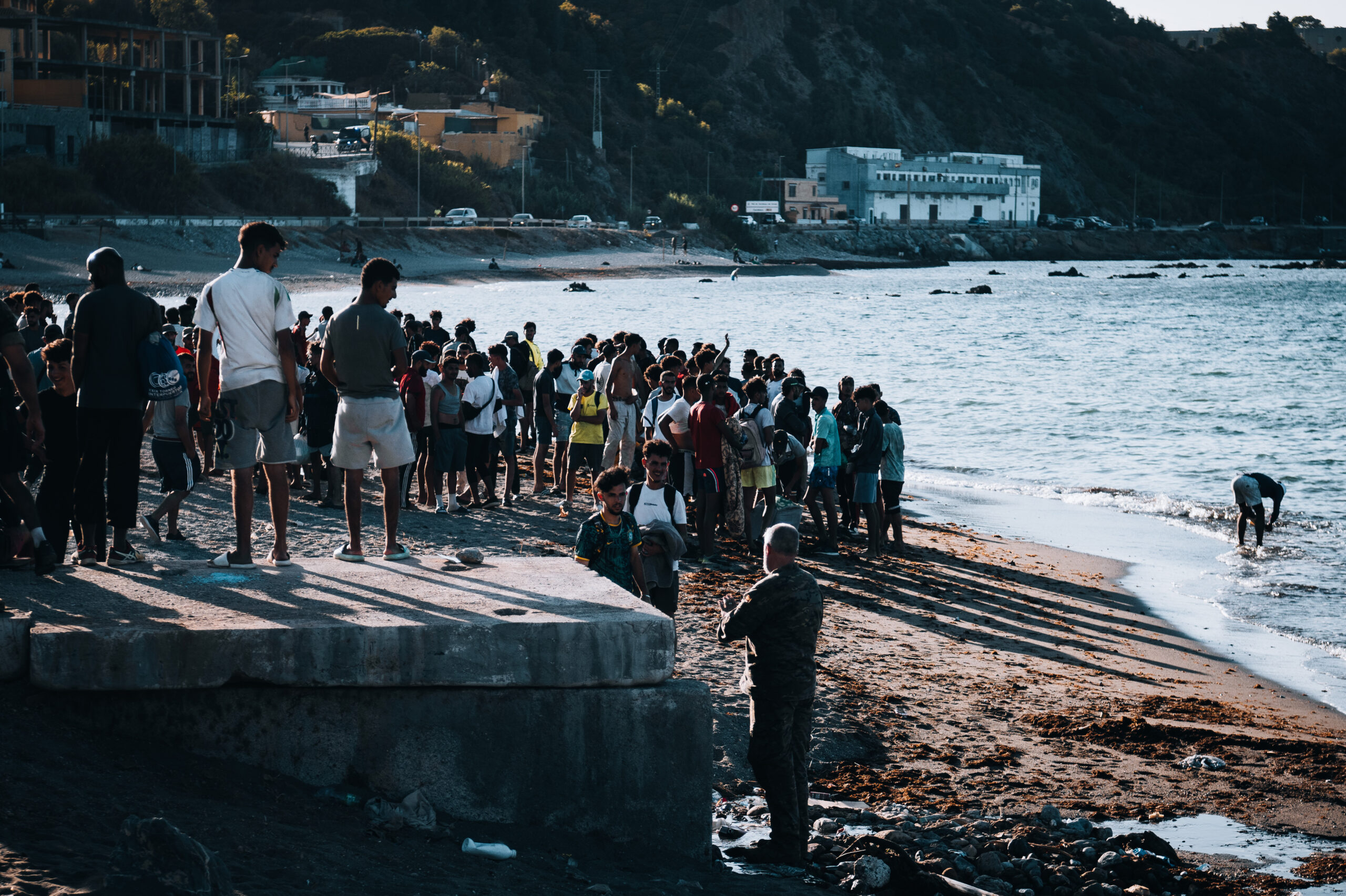
According to Helena Gebhard writing in Nius, the situation remains far from resolved. The reporter traveled to Ceuta immediately following the mass border breach and found approximately one thousand people still camping illegally on the beaches, with hundreds more gathering outside reception facilities.
This is not the first time Morocco has weaponized its proximity to the Spanish territory. In 2021, Rabat briefly opened the border during a dispute with Madrid over Western Sahara, using migration pressure as a political tool. However, this latest incident carries an additional complicating factor: Spain’s Supreme Court recently ruled that migrants who arrive by swimming rather than climbing the border fence cannot be immediately turned back.

Many Returned, Others Remain in Hiding

Groups of men marched through Ceuta chanting “Allahu Akbar” in what observers characterized as an open assertion of power. While a significant portion of the illegal migrants have since returned to Morocco, their departure came not from voluntary compliance but only after authorities deployed batons to regain control of the streets. During the forced returns, several migrants jumped from moving trucks to avoid deportation.
Others never waited for confrontation with authorities. They deliberately concealed themselves in the forests and mountains of the exclave to evade the Spanish military. Gebhard located one such group of twelve men dispersed across difficult terrain in the hinterland.
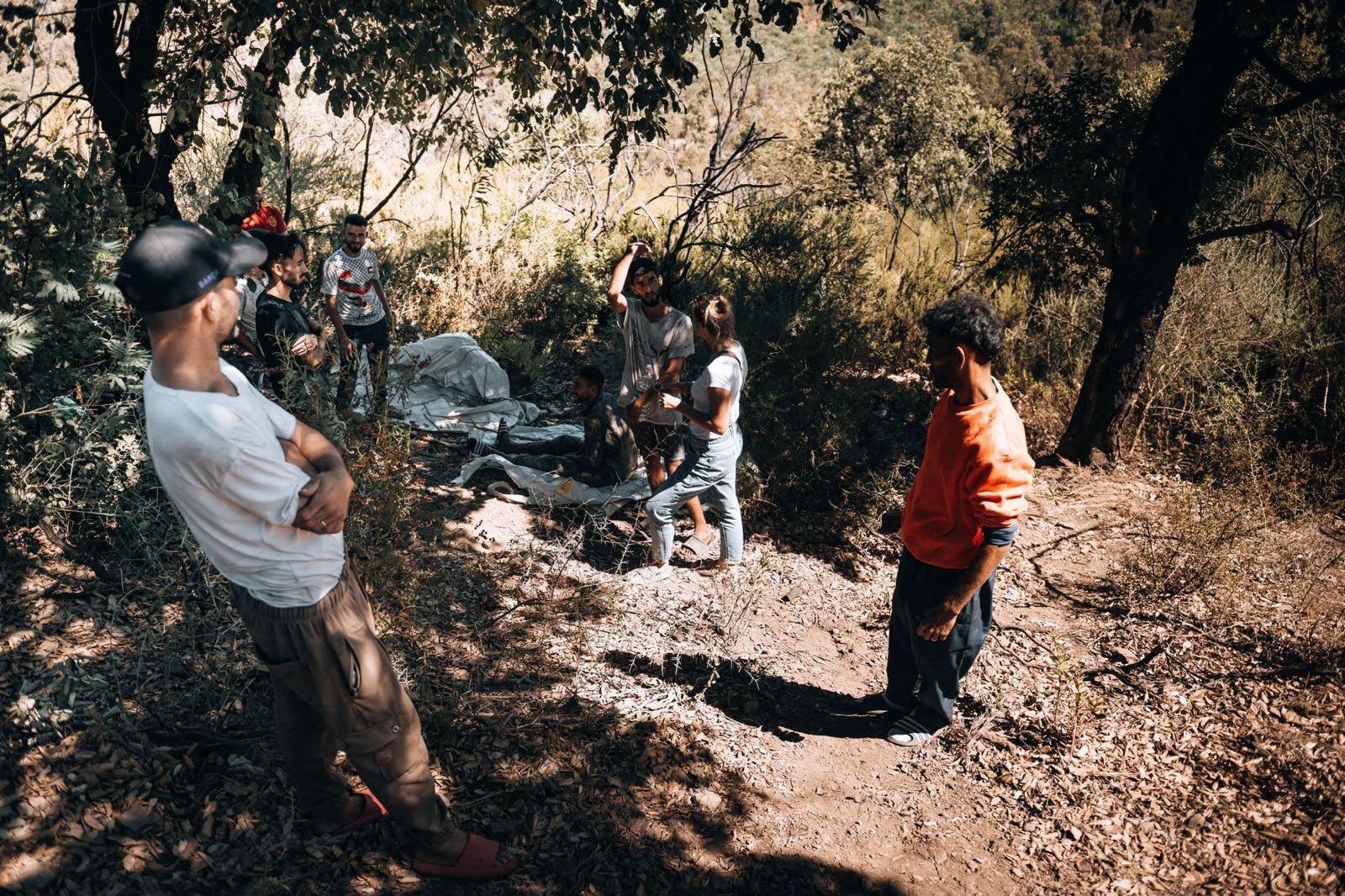
Their strategy is straightforward: wait until the situation calms, then approach authorities to request documentation that could potentially allow onward travel to the European mainland.
Origins Span Multiple Continents
By Sunday, the initial reception facility housed over 1,000 people, the majority from Sudan, along with nationals from Bangladesh, Syria, Chad, Senegal, and some Moroccans.
These individuals arrive prepared for a waiting game. Their calculation is simple: those persistent enough to endure the conditions believe they will ultimately be rewarded with entry into Europe proper.
The incident underscores what security analysts increasingly describe as hybrid warfare, with migration flows deliberately manipulated as a strategic weapon against European border states.
With information from Nius