Necessary Cookies

Required for the site to function. Cannot be disabled.

Analytics Cookies

Help us understand how visitors interact with our site (Google Analytics via GTM).

Marketing Cookies

Used to track visitors and deliver personalised advertisements.

We use cookies to enhance your browsing experience and analyse site traffic. By clicking Accept All, you consent to our use of cookies. Privacy Policy
NewsFire Global
Home News Europe World Christianity Culture Wars Opinion Video
Information
About Us Authors Advertising Terms & Conditions Privacy Policy Contact
R2B Media
R2B NEWSFIRE.GR PAPAFOTIS.GR THRACTION HELLENIC CONSERVATIVES RIGHT2THEBONE YT
News World

Israel’s Military Victories Overshadowed by International Backlash

Israel has weakened regional adversaries through military campaigns against Hamas, Hezbollah, and Iranian proxies but faces increased diplomatic isolation despite its battlefield successes.

Newsroom
Newsroom Staff Writer
JULY 1, 2026 AT 4:35 PM

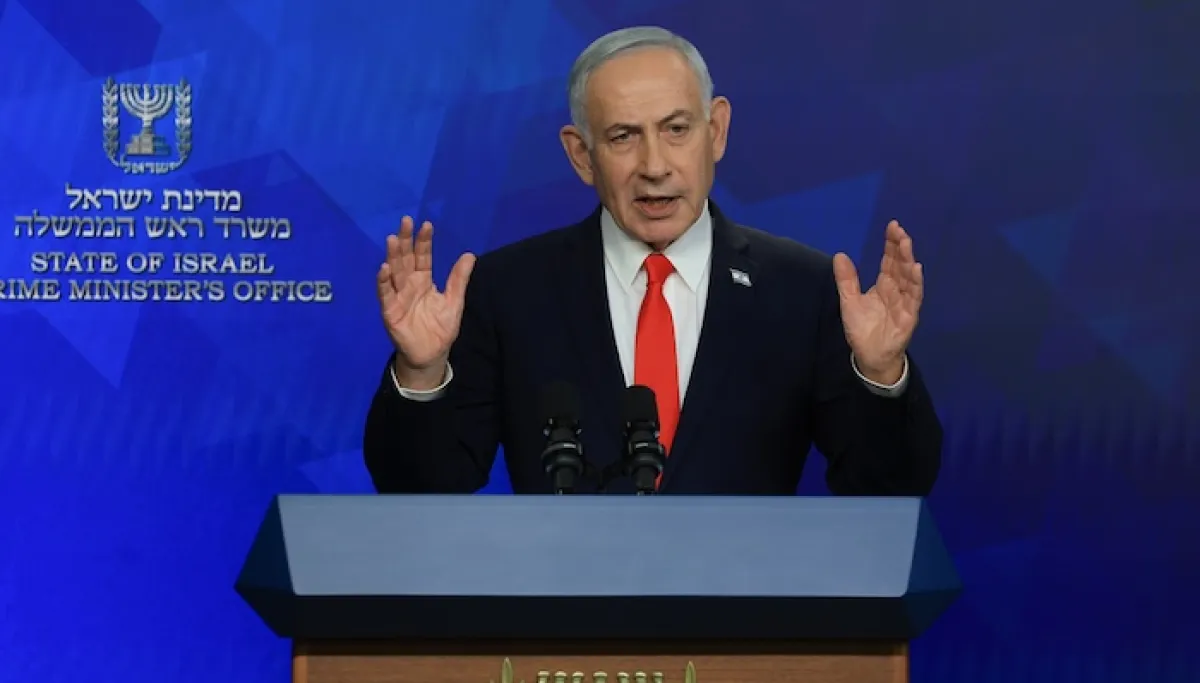
The nation’s response to the Hamas terror assault that killed approximately 1,200 Israelis and saw 250 others taken hostage and dragged into Gaza was immediate and decisive. Prime Minister Benjamin Netanyahu and his Cabinet concluded that the security threats on Israel’s borders could no longer be tolerated.
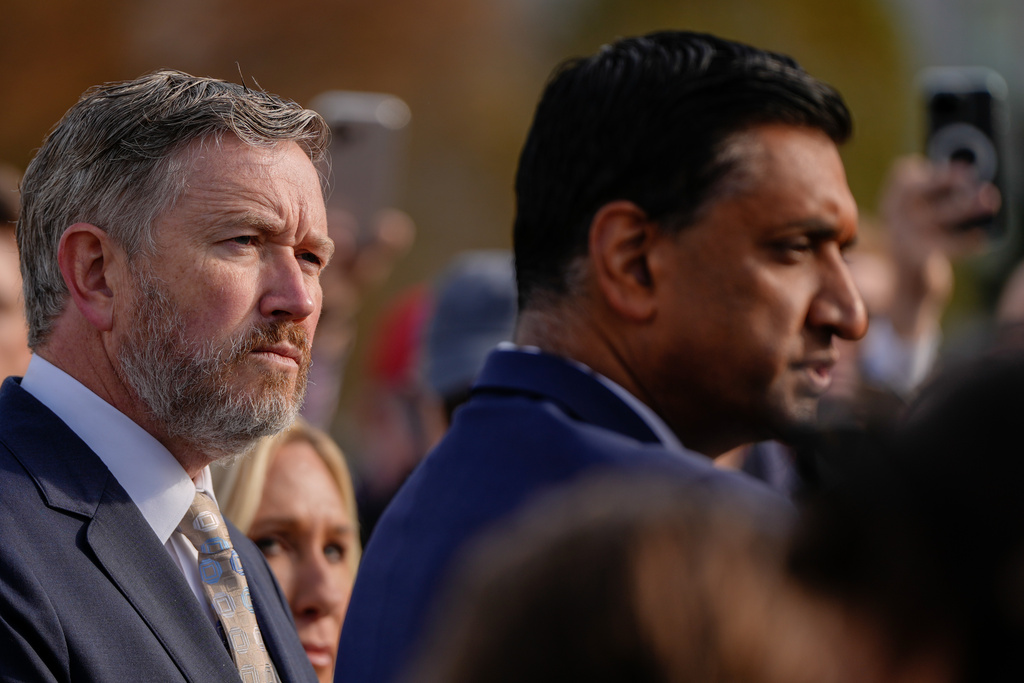

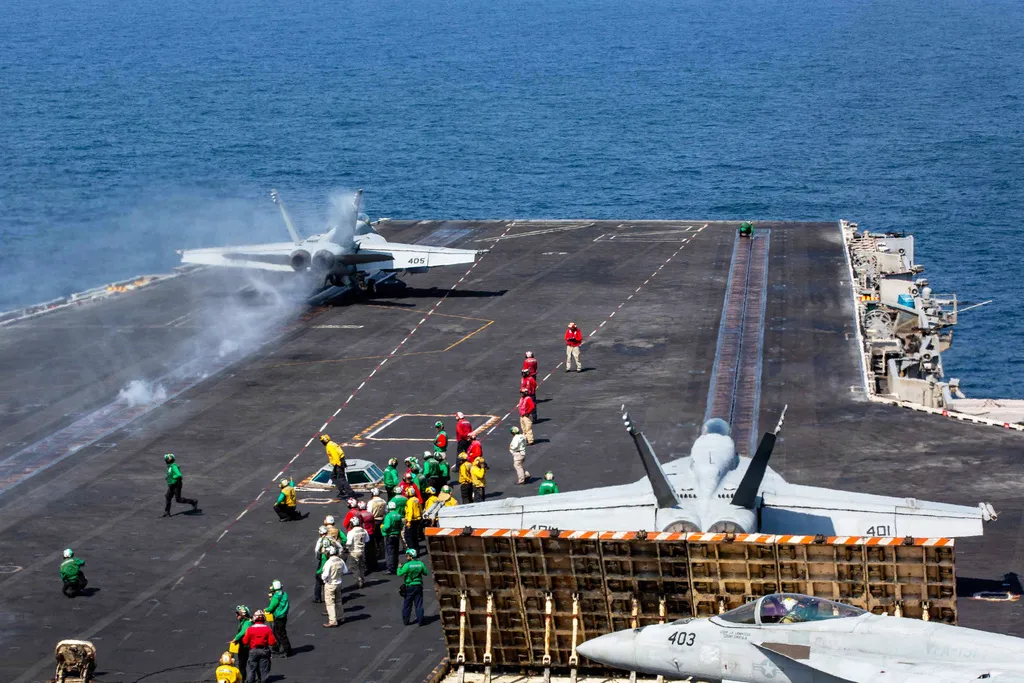
Over the two and a half years since that October 2023 attack, Israel has prosecuted a multi-front war against Iran and its network of proxy forces throughout Gaza, Lebanon, Syria, Iraq, and Yemen. The campaign has been conducted both independently and with American backing and direct participation in certain operations.

While Israeli forces have successfully degraded the operational capabilities of Iran’s Islamic Revolutionary Guard Corps, Hamas, Hezbollah, the Houthis, and various Iraqi and Syrian militias, the Jewish state finds itself more diplomatically isolated than it was before the conflict began.

Ned Price, who served as State Department spokesperson during the Biden administration at the time of the Hamas attack, told Washington Examiner that Israel squandered a strategic opportunity. He argued the country pursued a military-first approach without adequate diplomatic, political, humanitarian, or communications components to complement its battlefield successes.

Israeli operations have eliminated senior leadership from Hamas, Hezbollah, and Iranian command structures. Yet these organizations remain functional despite heavy losses. Hamas continues to refuse disarmament, while Hezbollah maintains its position as Iran’s primary regional proxy and remains central to negotiations over an Israel-Lebanon settlement. The Iranian Guard has demonstrated continued capability to launch drone and ballistic missile strikes even following ceasefire agreements.

Former Israeli Ambassador to the United States Michael Oren defended his country’s conduct to Washington Examiner, stating that Israel took extraordinary measures to minimize civilian casualties. While acknowledging that aberrations and potential war crimes occurred, he emphasized these did not reflect official policy.

Israel maintains periodic strikes against Hamas and Hezbollah positions in Gaza and Lebanon. The Gaza campaign has prompted genocide allegations from international bodies, charges Israeli leadership categorically rejects.

American-Iranian Standoff Reaches Stalemate

The American conflict with Iran has largely stalled, with neither Washington nor Tehran appearing eager to escalate. Prospects for a comprehensive long-term agreement that addresses Iran’s nuclear program remain uncertain.

The widening conflict drew Gulf Arab states into direct confrontation despite their previous efforts to avoid regional entanglements. Iran launched missiles and drones targeting American military installations and commercial and energy infrastructure across multiple Gulf countries.

Price, now serving as Interim Co-Director of the Institute of Politics at Harvard University, characterized recent developments as tragic. He noted that Israel, often in close coordination with the United States, had successfully weakened its enemies but then undermined those gains through continued military operations in Gaza and Lebanon, plus actions that heightened tensions with Iran.

Israel Stands Alone Among American Allies

Israel distinguished itself as the only ally willing to fight alongside the United States in this regional conflict. Several other American allies not only declined participation but prohibited Washington from using their facilities for operations against Iranian targets.

Secretary of War Pete Hegseth identified NATO allies’ refusal to support the anti-Iran campaign as a factor driving the Pentagon’s reassessment of force posture in Europe.

Aaron David Miller, a former longtime State Department Middle East official, told Washington Examiner that no other example exists of the United States partnering with an ally in as integrated and seamless a manner as Washington partnered with Israel throughout this conflict.

With information from Washington Examiner

Share:
Newsroom
Newsroom

NewsFire.GR is a website created with the hope that the media will rediscover their true identity, which is none other than informing the public about the real stakes of our times. Journalism and political analysis must hold power accountable, not serve it.

Recent News

The nation’s response to the Hamas terror assault that killed approximately 1,200 Israelis and saw 250 others taken hostage and dragged into Gaza was immediate and decisive. Prime Minister Benjamin Netanyahu and his Cabinet concluded that the security threats on Israel’s borders could no longer be tolerated.
Over the two and a half years since that October 2023 attack, Israel has prosecuted a multi-front war against Iran and its network of proxy forces throughout Gaza, Lebanon, Syria, Iraq, and Yemen. The campaign has been conducted both independently and with American backing and direct participation in certain operations.

While Israeli forces have successfully degraded the operational capabilities of Iran’s Islamic Revolutionary Guard Corps, Hamas, Hezbollah, the Houthis, and various Iraqi and Syrian militias, the Jewish state finds itself more diplomatically isolated than it was before the conflict began.

Ned Price, who served as State Department spokesperson during the Biden administration at the time of the Hamas attack, told Washington Examiner that Israel squandered a strategic opportunity. He argued the country pursued a military-first approach without adequate diplomatic, political, humanitarian, or communications components to complement its battlefield successes.

Israeli operations have eliminated senior leadership from Hamas, Hezbollah, and Iranian command structures. Yet these organizations remain functional despite heavy losses. Hamas continues to refuse disarmament, while Hezbollah maintains its position as Iran’s primary regional proxy and remains central to negotiations over an Israel-Lebanon settlement. The Iranian Guard has demonstrated continued capability to launch drone and ballistic missile strikes even following ceasefire agreements.

Former Israeli Ambassador to the United States Michael Oren defended his country’s conduct to Washington Examiner, stating that Israel took extraordinary measures to minimize civilian casualties. While acknowledging that aberrations and potential war crimes occurred, he emphasized these did not reflect official policy.

Israel maintains periodic strikes against Hamas and Hezbollah positions in Gaza and Lebanon. The Gaza campaign has prompted genocide allegations from international bodies, charges Israeli leadership categorically rejects.

American-Iranian Standoff Reaches Stalemate

The American conflict with Iran has largely stalled, with neither Washington nor Tehran appearing eager to escalate. Prospects for a comprehensive long-term agreement that addresses Iran’s nuclear program remain uncertain.

The widening conflict drew Gulf Arab states into direct confrontation despite their previous efforts to avoid regional entanglements. Iran launched missiles and drones targeting American military installations and commercial and energy infrastructure across multiple Gulf countries.

Price, now serving as Interim Co-Director of the Institute of Politics at Harvard University, characterized recent developments as tragic. He noted that Israel, often in close coordination with the United States, had successfully weakened its enemies but then undermined those gains through continued military operations in Gaza and Lebanon, plus actions that heightened tensions with Iran.

Israel Stands Alone Among American Allies

Israel distinguished itself as the only ally willing to fight alongside the United States in this regional conflict. Several other American allies not only declined participation but prohibited Washington from using their facilities for operations against Iranian targets.

Secretary of War Pete Hegseth identified NATO allies’ refusal to support the anti-Iran campaign as a factor driving the Pentagon’s reassessment of force posture in Europe.

Aaron David Miller, a former longtime State Department Middle East official, told Washington Examiner that no other example exists of the United States partnering with an ally in as integrated and seamless a manner as Washington partnered with Israel throughout this conflict.

With information from Washington Examiner