Necessary Cookies

Required for the site to function. Cannot be disabled.

Analytics Cookies

Help us understand how visitors interact with our site (Google Analytics via GTM).

Marketing Cookies

Used to track visitors and deliver personalised advertisements.

We use cookies to enhance your browsing experience and analyse site traffic. By clicking Accept All, you consent to our use of cookies. Privacy Policy
NewsFire Global
Home News Europe World Christianity Culture Wars Opinion Video
Information
About Us Authors Advertising Terms & Conditions Privacy Policy Contact
R2B Media
R2B NEWSFIRE.GR PAPAFOTIS.GR THRACTION HELLENIC CONSERVATIVES RIGHT2THEBONE YT
News World

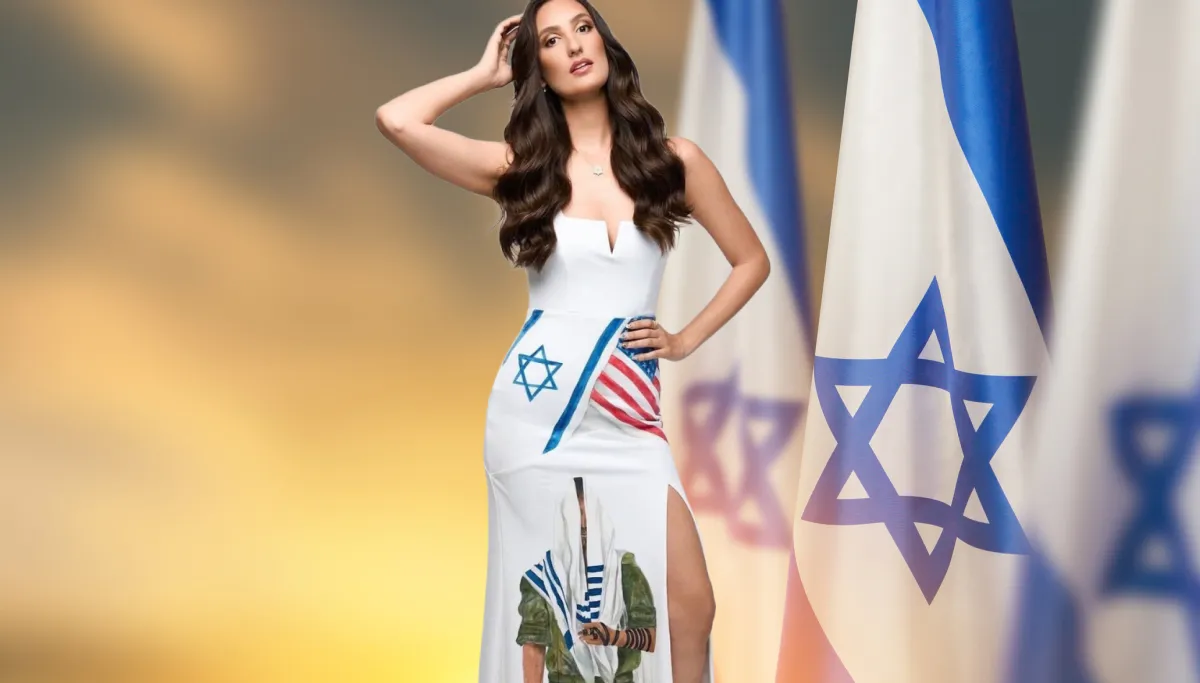
Beauty Queen Emerges as Israel’s Secret Diplomatic Weapon

American-raised Miss Israel 2026 Danielle Yablonka plans to use her pageant platform to advocate for Israel through cultural diplomacy and reach audiences beyond traditional political channels.
AUGUST 31, 2026 AT 10:42 PM

Israel’s most critical battles extend far beyond diplomatic negotiations and military operations—they are increasingly fought in cultural arenas where millions form their perceptions without ever meeting an Israeli citizen or visiting the country. This reality underscores why the decision by Danielle Yablonka, the newly crowned Miss Israel 2026, to transform her title into a platform for national advocacy carries profound significance, according to Ariella Noveck writing in Washington Examiner.
Yablonka, an American-raised Israeli who made aliyah and now resides in Israel, is expected to represent her country at Miss Universe. Her ambitions transcend traditional pageant objectives—she aims to penetrate audiences that conventional political advocacy fails to reach.

The beauty queen has articulated a philosophy centered on presence. Show up in the places where people are forming opinions about you, your community, and your country, she has stated. When representatives remain absent, the narrative continues without them—often shaped by hostile voices.

Cultural Diplomacy Through Unexpected Channels

This approach has informed years of Yablonka’s advocacy work, spanning public speaking, digital content production, and conversations addressing Israel and Jewish identity. She now applies this mission to international pageantry, a realm many dismiss but which she argues functions as a powerful storytelling and representation vehicle.

While critics may view pageantry through a narrow lens of appearances and crowns, the reality involves substantial platform opportunities for advocacy and cultural representation. Both pageantry and political advocacy converge on a fundamental question: who controls your narrative?

For Israel, this question carries exceptional weight in the current geopolitical climate.

Reaching Audiences Beyond Traditional Diplomacy

The vast majority of global citizens will never experience Tel Aviv’s streets, share a meal with an Israeli family, or witness the country’s societal diversity firsthand. Their understanding derives from headlines, social media content, political discourse, and dominant online voices. When Israelis absent themselves from global cultural spaces, adversaries define them by default.

Yablonka’s advocacy experience has taught her that while facts remain essential, presence and perception carry equal importance. Human connection frequently precedes intellectual agreement. Changing perceptions often begins not with debate or historical documentation, but with encountering someone who contradicts preconceived notions.

International pageant representation matters precisely because of its cultural penetration. Throughout Latin America and Asia, international pageantry occupies cultural space comparable to Eurovision or Olympic competitions in other regions—a fusion of entertainment, national pride, fashion, and identity broadcast on a global stage.

Humanizing National Identity

Millions follow contestants not merely as models but as national representatives. For Israel, this platform transcends pageantry—it offers opportunities for audiences to encounter the country through personal interaction rather than conflict framing.

When an Israeli woman appears on an international stage, viewers may encounter aspects of Israel previously unknown to them: ambition, warmth, creativity, strength, and complexity. This does not erase political disagreements or demand universal approval. Presence simply means refusing invisibility and providing opportunities for direct encounter before adversaries establish definitions.

This constitutes cultural diplomacy, and Israel requires expanded efforts in this domain.

Leveraging Soft Power Platforms

Nations worldwide have long recognized how music, fashion, sports, cinema, art, and popular culture connect with populations who never engage political speeches or educational seminars. Israel should not dismiss such platforms as trivial while adversaries comprehend their influence precisely.

If global audiences are to understand Israelis accurately, Israeli representatives must occupy spaces where the world watches.

Yablonka brings unique qualifications to this role. Her American upbringing combined with her decision to immigrate to Israel and build her life there positions her between two worlds. She understands external perceptions of Israel through her childhood experience abroad while simultaneously grasping internal realities through her chosen residency and commitment to the country.

With information from Washington Examiner

Share:
Eleni Papadaki-Van Der Merwe

She was born in 1986 in Johannesburg, South Africa. She is the granddaughter of an immigrant from Crete who settled in the Greek community of Johannesburg (one of the largest in Africa). She holds a bachelor’s degree in International Relations and Political Science from the University of the Witwatersrand (Wits) in Johannesburg and a master’s degree in Journalism from Rhodes University in Grahamstown. She began her career at English-language media outlets in Johannesburg, covering politics and economics, with a focus on issues related to migration and the diaspora. She moved to Athens in 2015 to “return to her roots,” initially to pursue graduate studies, and has remained there permanently. She is married to an Afrikaner; they have two children and live in the southern suburbs of Athens.

Israel’s most critical battles extend far beyond diplomatic negotiations and military operations—they are increasingly fought in cultural arenas where millions form their perceptions without ever meeting an Israeli citizen or visiting the country. This reality underscores why the decision by Danielle Yablonka, the newly crowned Miss Israel 2026, to transform her title into a platform for national advocacy carries profound significance, according to Ariella Noveck writing in Washington Examiner.

Yablonka, an American-raised Israeli who made aliyah and now resides in Israel, is expected to represent her country at Miss Universe. Her ambitions transcend traditional pageant objectives—she aims to penetrate audiences that conventional political advocacy fails to reach.

The beauty queen has articulated a philosophy centered on presence. Show up in the places where people are forming opinions about you, your community, and your country, she has stated. When representatives remain absent, the narrative continues without them—often shaped by hostile voices.

Cultural Diplomacy Through Unexpected Channels

This approach has informed years of Yablonka’s advocacy work, spanning public speaking, digital content production, and conversations addressing Israel and Jewish identity. She now applies this mission to international pageantry, a realm many dismiss but which she argues functions as a powerful storytelling and representation vehicle.

While critics may view pageantry through a narrow lens of appearances and crowns, the reality involves substantial platform opportunities for advocacy and cultural representation. Both pageantry and political advocacy converge on a fundamental question: who controls your narrative?

For Israel, this question carries exceptional weight in the current geopolitical climate.

Reaching Audiences Beyond Traditional Diplomacy

The vast majority of global citizens will never experience Tel Aviv’s streets, share a meal with an Israeli family, or witness the country’s societal diversity firsthand. Their understanding derives from headlines, social media content, political discourse, and dominant online voices. When Israelis absent themselves from global cultural spaces, adversaries define them by default.

Yablonka’s advocacy experience has taught her that while facts remain essential, presence and perception carry equal importance. Human connection frequently precedes intellectual agreement. Changing perceptions often begins not with debate or historical documentation, but with encountering someone who contradicts preconceived notions.

International pageant representation matters precisely because of its cultural penetration. Throughout Latin America and Asia, international pageantry occupies cultural space comparable to Eurovision or Olympic competitions in other regions—a fusion of entertainment, national pride, fashion, and identity broadcast on a global stage.

Humanizing National Identity

Millions follow contestants not merely as models but as national representatives. For Israel, this platform transcends pageantry—it offers opportunities for audiences to encounter the country through personal interaction rather than conflict framing.

When an Israeli woman appears on an international stage, viewers may encounter aspects of Israel previously unknown to them: ambition, warmth, creativity, strength, and complexity. This does not erase political disagreements or demand universal approval. Presence simply means refusing invisibility and providing opportunities for direct encounter before adversaries establish definitions.

This constitutes cultural diplomacy, and Israel requires expanded efforts in this domain.

Leveraging Soft Power Platforms

Nations worldwide have long recognized how music, fashion, sports, cinema, art, and popular culture connect with populations who never engage political speeches or educational seminars. Israel should not dismiss such platforms as trivial while adversaries comprehend their influence precisely.

If global audiences are to understand Israelis accurately, Israeli representatives must occupy spaces where the world watches.

Yablonka brings unique qualifications to this role. Her American upbringing combined with her decision to immigrate to Israel and build her life there positions her between two worlds. She understands external perceptions of Israel through her childhood experience abroad while simultaneously grasping internal realities through her chosen residency and commitment to the country.

With information from Washington Examiner