Necessary Cookies

Required for the site to function. Cannot be disabled.

Analytics Cookies

Help us understand how visitors interact with our site (Google Analytics via GTM).

Marketing Cookies

Used to track visitors and deliver personalised advertisements.

We use cookies to enhance your browsing experience and analyse site traffic. By clicking Accept All, you consent to our use of cookies. Privacy Policy
NewsFire Global
Home News Europe World Christianity Culture Wars Opinion Video
Information
About Us Authors Advertising Terms & Conditions Privacy Policy Contact
R2B Media
R2B NEWSFIRE.GR PAPAFOTIS.GR THRACTION HELLENIC CONSERVATIVES RIGHT2THEBONE YT
News World

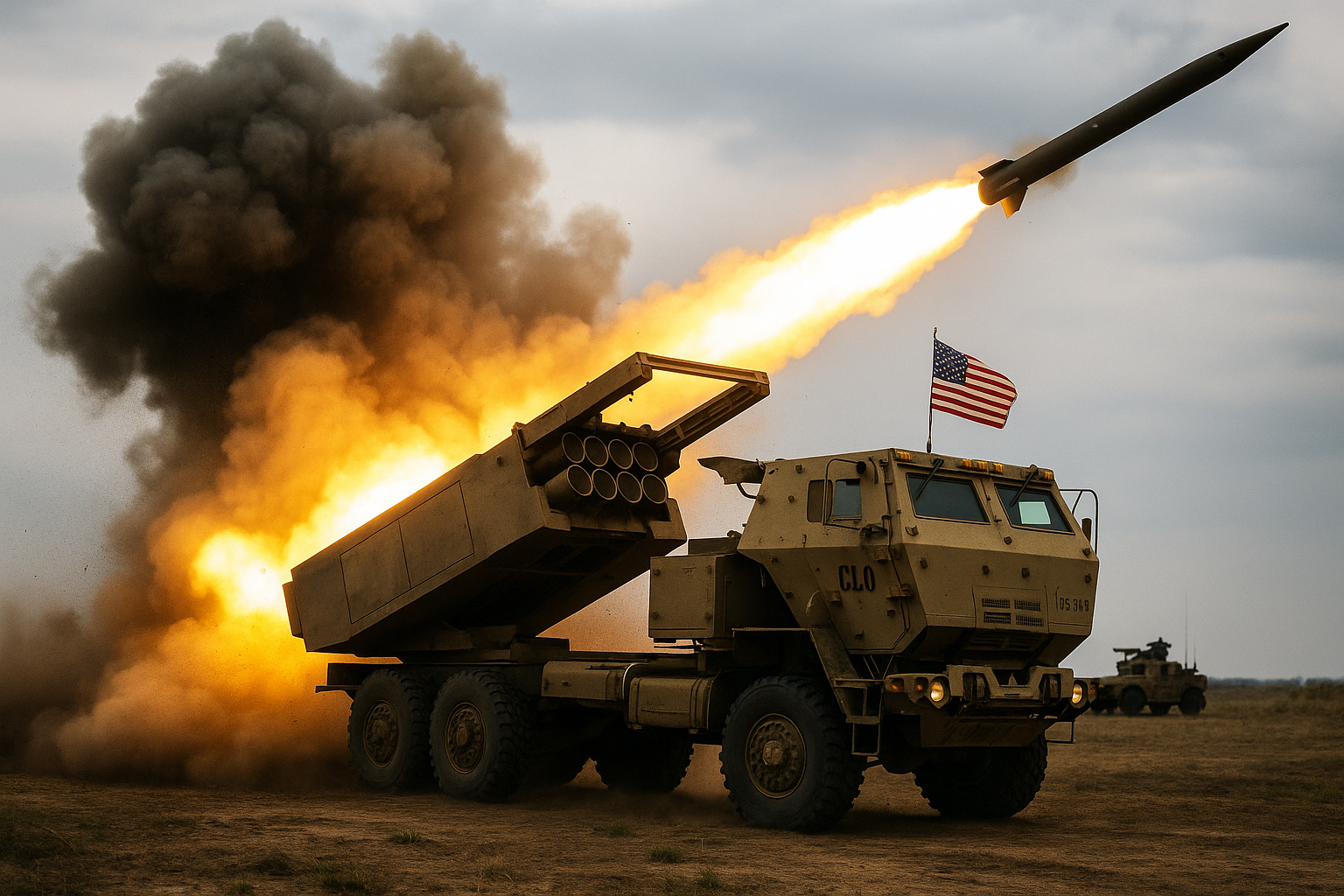
Iran War Depletes US Arsenal as China and Russia Watch Closely

The New York Times reports that five months of military operations against Iran have critically depleted U.S. weapons stockpiles, undermining global deterrence as Russia and China monitor American readiness.

Dimitris Papafotis
Dimitris Papafotis Editor in Chief
AUGUST 10, 2026 AT 8:38 AM

The prolonged conflict has drained American arsenals to dangerously low levels, raising urgent questions about the Pentagon’s ability to sustain operations or respond to additional threats from rival powers, as Telegram @me_observer_TG reports.

The stockpile crisis encompasses precision-guided munitions, air defense systems, and other advanced weapons platforms that have been expended at rates far exceeding peacetime production capacity. More than a thousand critical munitions have been consumed in the Iranian theater alone, sources indicate.

The depletion has not gone unnoticed by America’s strategic competitors. Intelligence assessments suggest that both Russia and China are carefully analyzing U.S. inventory levels and calculating whether Washington retains the military capacity to simultaneously deter aggression in Europe and the Indo-Pacific region.

The revelations underscore the strategic risks of extended military engagements without adequate industrial mobilization. Defense analysts have warned for years that the U.S. defense industrial base has atrophied since the Cold War, leaving the nation vulnerable to precisely this scenario—extended conflict that outpaces production.

Deterrence in Question

The credibility of American military commitments worldwide now faces serious doubt. Adversaries may perceive a window of opportunity while U.S. forces remain stretched thin and stockpiles depleted, potentially emboldening aggressive moves in contested regions from Eastern Europe to the Taiwan Strait.

Pentagon officials have reportedly accelerated emergency procurement measures and requested extraordinary funding from Congress to replenish depleted arsenals, but reconstituting advanced weapons stockpiles will require years, not months.

The situation represents a stark strategic miscalculation—one that may have long-term consequences for American power projection and the stability of the international order that depends on credible U.S. military deterrence.

With information from Telegram @me_observer_TG
Share:
Dimitris Papafotis
Dimitris Papafotis

Dimitris Papafotis is the editor-in-chief of NewsFire.GR. He was born and raised in Athens. He studied at the Journalism Workshop (1991-1993). He currently lives in Pyrgos, Ilia, where he has been active in radio and various newspapers, while also maintaining his personal blog, Papafotis.gr.

The prolonged conflict has drained American arsenals to dangerously low levels, raising urgent questions about the Pentagon’s ability to sustain operations or respond to additional threats from rival powers, as Telegram @me_observer_TG reports.

The stockpile crisis encompasses precision-guided munitions, air defense systems, and other advanced weapons platforms that have been expended at rates far exceeding peacetime production capacity. More than a thousand critical munitions have been consumed in the Iranian theater alone, sources indicate.

The depletion has not gone unnoticed by America’s strategic competitors. Intelligence assessments suggest that both Russia and China are carefully analyzing U.S. inventory levels and calculating whether Washington retains the military capacity to simultaneously deter aggression in Europe and the Indo-Pacific region.

The revelations underscore the strategic risks of extended military engagements without adequate industrial mobilization. Defense analysts have warned for years that the U.S. defense industrial base has atrophied since the Cold War, leaving the nation vulnerable to precisely this scenario—extended conflict that outpaces production.

Deterrence in Question

The credibility of American military commitments worldwide now faces serious doubt. Adversaries may perceive a window of opportunity while U.S. forces remain stretched thin and stockpiles depleted, potentially emboldening aggressive moves in contested regions from Eastern Europe to the Taiwan Strait.

Pentagon officials have reportedly accelerated emergency procurement measures and requested extraordinary funding from Congress to replenish depleted arsenals, but reconstituting advanced weapons stockpiles will require years, not months.

The situation represents a stark strategic miscalculation—one that may have long-term consequences for American power projection and the stability of the international order that depends on credible U.S. military deterrence.

With information from Telegram @me_observer_TG