Necessary Cookies

Required for the site to function. Cannot be disabled.

Analytics Cookies

Help us understand how visitors interact with our site (Google Analytics via GTM).

Marketing Cookies

Used to track visitors and deliver personalised advertisements.

We use cookies to enhance your browsing experience and analyse site traffic. By clicking Accept All, you consent to our use of cookies. Privacy Policy
NewsFire Global
Home News Europe World Christianity Culture Wars Opinion Video
Information
About Us Authors Advertising Terms & Conditions Privacy Policy Contact
R2B Media
R2B NEWSFIRE.GR PAPAFOTIS.GR THRACTION HELLENIC CONSERVATIVES RIGHT2THEBONE YT
News World

Houthis Resume Yemen Strikes, Complicating US Regional Strategy

Iranian-backed Houthi militants launched deadly drone and missile attacks on Yemen's government forces, breaking a 2022 ceasefire and reigniting the civil war after four years of relative calm.

AUGUST 6, 2026 AT 11:14 PM

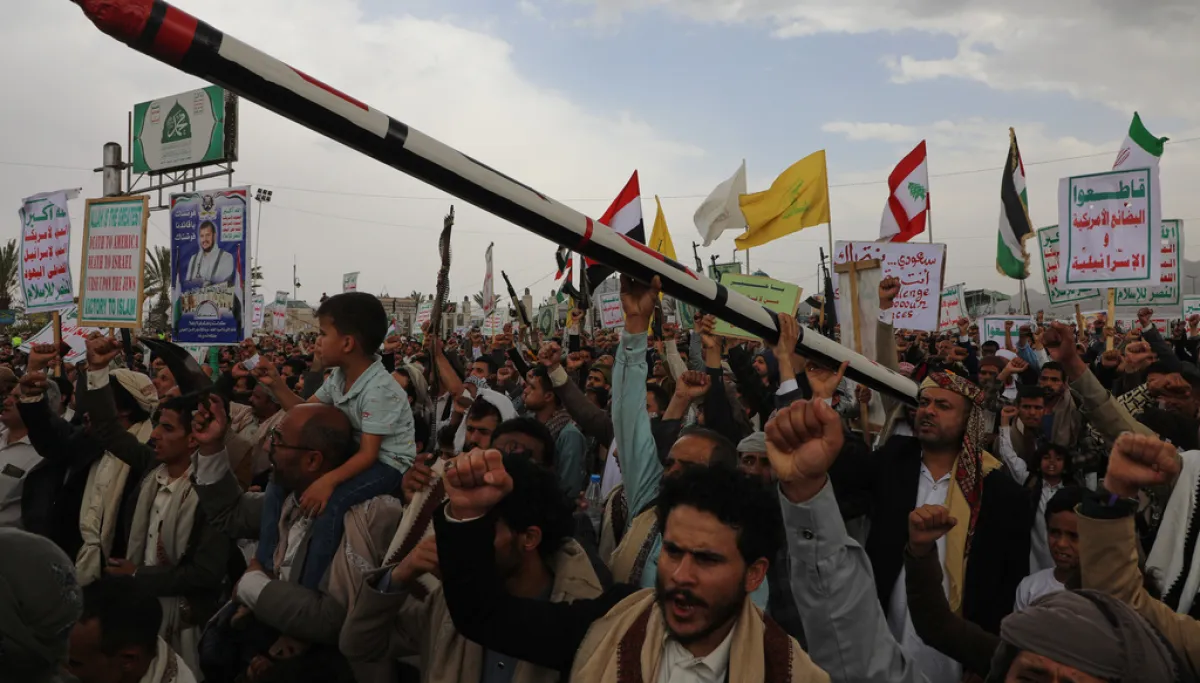
According to Brady Knox writing in Washington Examiner, the attacks mark a significant escalation from the armed group, which had largely honored a ceasefire agreement with Yemen’s Presidential Leadership Council signed in 2022. That truce held even as the Houthis conducted separate operations targeting Israel and disrupting Red Sea shipping lanes.

The strikes occurred Thursday when Houthi forces launched coordinated missile and drone attacks against multiple bases aligned with the PLC, resulting in dozens of military casualties. The targets included camps belonging to the 1st and 3rd Yemeni Emergency Force divisions in Hadramout and Marib governorates.

Yahya Saree, the Houthi spokesman, characterized the offensive as a preemptive action in response to what he described as Saudi military buildups reaching their final stages in the region. Following the group’s standard propaganda approach, Saree dismissed government forces as mercenaries serving Saudi interests rather than recognizing them as legitimate Yemeni military units.

Saree issued a warning to Yemeni soldiers serving under the PLC, urging them to abandon their posts and return home. He also called on Yemen’s population to prepare for confrontation with what he termed Saudi aggression, vowing to maintain pressure until what the Houthis describe as a blockade on Yemen is lifted.

The 1st YEF division acknowledged the attacks, confirming both material damage and casualties among its personnel.

The United States Embassy in Yemen, operating from the PLC capital of Aden, issued condolences to the families of fallen Yemeni soldiers. The embassy condemned the assault as terrorism against the Yemeni people perpetrated by Iran-backed militants.

The targeting of YEF units carries particular symbolic weight. While these divisions fight for the PLC, they operate outside the direct control of Yemen’s Ministry of Defense and receive their funding from Saudi Arabia, making them prime targets for Houthi propaganda efforts.

Strategic Implications for U.S. Regional Operations

The resumption of civil war hostilities poses serious complications for American strategic interests in the region. Operation Epic Fury had benefited from the relative quiet on the Yemeni front, allowing Washington unrestricted access to Gulf military installations and permitting concentrated focus on Iran itself.

A full-scale civil war would fundamentally alter these calculations. The Houthi organization has substantially expanded its capabilities since capturing Sanaa in 2014, benefiting from extensive Iranian military support after Saudi-led coalition forces intervened. The group now possesses a formidable arsenal of ballistic missiles and unmanned aerial vehicles that have demonstrated the ability to penetrate American air defense systems.

Given the Houthis’ practice of conflating all adversaries with Saudi Arabia, American targets would face elevated risk should the conflict escalate to full civil war status.

Saudi Arabia Faces Renewed Entanglement

The fighting would immediately pull Saudi Arabia back into direct conflict. Though Riyadh has significantly upgraded its military capabilities since earlier phases of the conflict, a renewed Yemeni campaign would demand the kingdom’s complete attention and resources.

Such a commitment would raise critical questions about American access to Saudi military facilities and would consume desperately needed interceptor missiles and ammunition already stretched thin by operations against Iranian targets.

The timing favors the Houthis while presenting maximum difficulty for Washington, the PLC, and the Saudi coalition. The militant group appears at peak strength, having emerged from recent regional conflicts largely unscathed. By contrast, both American and Saudi forces face material and psychological exhaustion from the broader Iranian conflict.

Internal Divisions Weaken Government Position

The PLC has yet to fully consolidate opposition elements under its authority. Tensions from recent clashes with the Southern Transitional Council between December and January remain unresolved and appear to be intensifying. Remnants of the STC have grown increasingly antagonistic toward the central government, with some figures warning of potential insurgency if conditions do not improve.

The Houthis enjoy substantial advantages in political unity and population control. Despite holding only approximately one-third of Yemen’s territory, the group controls between 70 and 80 percent of the nation’s population. This demographic imbalance explains why the PLC must rely on proxy forces like the YEF, a dependency that undermines its nationalist legitimacy as Houthi propaganda portrays these units as instruments of foreign intervention.

With information from Washington Examiner

Share:
Eleni Papadaki-Van Der Merwe

She was born in 1986 in Johannesburg, South Africa. She is the granddaughter of an immigrant from Crete who settled in the Greek community of Johannesburg (one of the largest in Africa). She holds a bachelor’s degree in International Relations and Political Science from the University of the Witwatersrand (Wits) in Johannesburg and a master’s degree in Journalism from Rhodes University in Grahamstown. She began her career at English-language media outlets in Johannesburg, covering politics and economics, with a focus on issues related to migration and the diaspora. She moved to Athens in 2015 to “return to her roots,” initially to pursue graduate studies, and has remained there permanently. She is married to an Afrikaner; they have two children and live in the southern suburbs of Athens.

According to Brady Knox writing in Washington Examiner, the attacks mark a significant escalation from the armed group, which had largely honored a ceasefire agreement with Yemen’s Presidential Leadership Council signed in 2022. That truce held even as the Houthis conducted separate operations targeting Israel and disrupting Red Sea shipping lanes.

The strikes occurred Thursday when Houthi forces launched coordinated missile and drone attacks against multiple bases aligned with the PLC, resulting in dozens of military casualties. The targets included camps belonging to the 1st and 3rd Yemeni Emergency Force divisions in Hadramout and Marib governorates.

Yahya Saree, the Houthi spokesman, characterized the offensive as a preemptive action in response to what he described as Saudi military buildups reaching their final stages in the region. Following the group’s standard propaganda approach, Saree dismissed government forces as mercenaries serving Saudi interests rather than recognizing them as legitimate Yemeni military units.

Saree issued a warning to Yemeni soldiers serving under the PLC, urging them to abandon their posts and return home. He also called on Yemen’s population to prepare for confrontation with what he termed Saudi aggression, vowing to maintain pressure until what the Houthis describe as a blockade on Yemen is lifted.

The 1st YEF division acknowledged the attacks, confirming both material damage and casualties among its personnel.

The United States Embassy in Yemen, operating from the PLC capital of Aden, issued condolences to the families of fallen Yemeni soldiers. The embassy condemned the assault as terrorism against the Yemeni people perpetrated by Iran-backed militants.

The targeting of YEF units carries particular symbolic weight. While these divisions fight for the PLC, they operate outside the direct control of Yemen’s Ministry of Defense and receive their funding from Saudi Arabia, making them prime targets for Houthi propaganda efforts.

Strategic Implications for U.S. Regional Operations

The resumption of civil war hostilities poses serious complications for American strategic interests in the region. Operation Epic Fury had benefited from the relative quiet on the Yemeni front, allowing Washington unrestricted access to Gulf military installations and permitting concentrated focus on Iran itself.

A full-scale civil war would fundamentally alter these calculations. The Houthi organization has substantially expanded its capabilities since capturing Sanaa in 2014, benefiting from extensive Iranian military support after Saudi-led coalition forces intervened. The group now possesses a formidable arsenal of ballistic missiles and unmanned aerial vehicles that have demonstrated the ability to penetrate American air defense systems.

Given the Houthis’ practice of conflating all adversaries with Saudi Arabia, American targets would face elevated risk should the conflict escalate to full civil war status.

Saudi Arabia Faces Renewed Entanglement

The fighting would immediately pull Saudi Arabia back into direct conflict. Though Riyadh has significantly upgraded its military capabilities since earlier phases of the conflict, a renewed Yemeni campaign would demand the kingdom’s complete attention and resources.

Such a commitment would raise critical questions about American access to Saudi military facilities and would consume desperately needed interceptor missiles and ammunition already stretched thin by operations against Iranian targets.

The timing favors the Houthis while presenting maximum difficulty for Washington, the PLC, and the Saudi coalition. The militant group appears at peak strength, having emerged from recent regional conflicts largely unscathed. By contrast, both American and Saudi forces face material and psychological exhaustion from the broader Iranian conflict.

Internal Divisions Weaken Government Position

The PLC has yet to fully consolidate opposition elements under its authority. Tensions from recent clashes with the Southern Transitional Council between December and January remain unresolved and appear to be intensifying. Remnants of the STC have grown increasingly antagonistic toward the central government, with some figures warning of potential insurgency if conditions do not improve.

The Houthis enjoy substantial advantages in political unity and population control. Despite holding only approximately one-third of Yemen’s territory, the group controls between 70 and 80 percent of the nation’s population. This demographic imbalance explains why the PLC must rely on proxy forces like the YEF, a dependency that undermines its nationalist legitimacy as Houthi propaganda portrays these units as instruments of foreign intervention.

With information from Washington Examiner