Necessary Cookies

Required for the site to function. Cannot be disabled.

Analytics Cookies

Help us understand how visitors interact with our site (Google Analytics via GTM).

Marketing Cookies

Used to track visitors and deliver personalised advertisements.

We use cookies to enhance your browsing experience and analyse site traffic. By clicking Accept All, you consent to our use of cookies. Privacy Policy
NewsFire Global
Home News Europe World Christianity Culture Wars Opinion Video
Information
About Us Authors Advertising Terms & Conditions Privacy Policy Contact
R2B Media
R2B NEWSFIRE.GR PAPAFOTIS.GR THRACTION HELLENIC CONSERVATIVES RIGHT2THEBONE YT
News World

Hezbollah Rejects Israel-Lebanon Peace Deal as ‘Null and Void’

Hezbollah rejected a Lebanese government peace deal with Israel, calling it an illegitimate surrender and vowing to continue military operations despite the framework agreement.

Newsroom
Newsroom Staff Writer
JUNE 28, 2026 AT 7:11 AM

The Iranian-backed terrorist organization, which maintains effective control over significant portions of Lebanese territory, dismissed the framework security agreement negotiated this week between Beirut and Jerusalem with Washington serving as mediator, according to Washington Examiner.

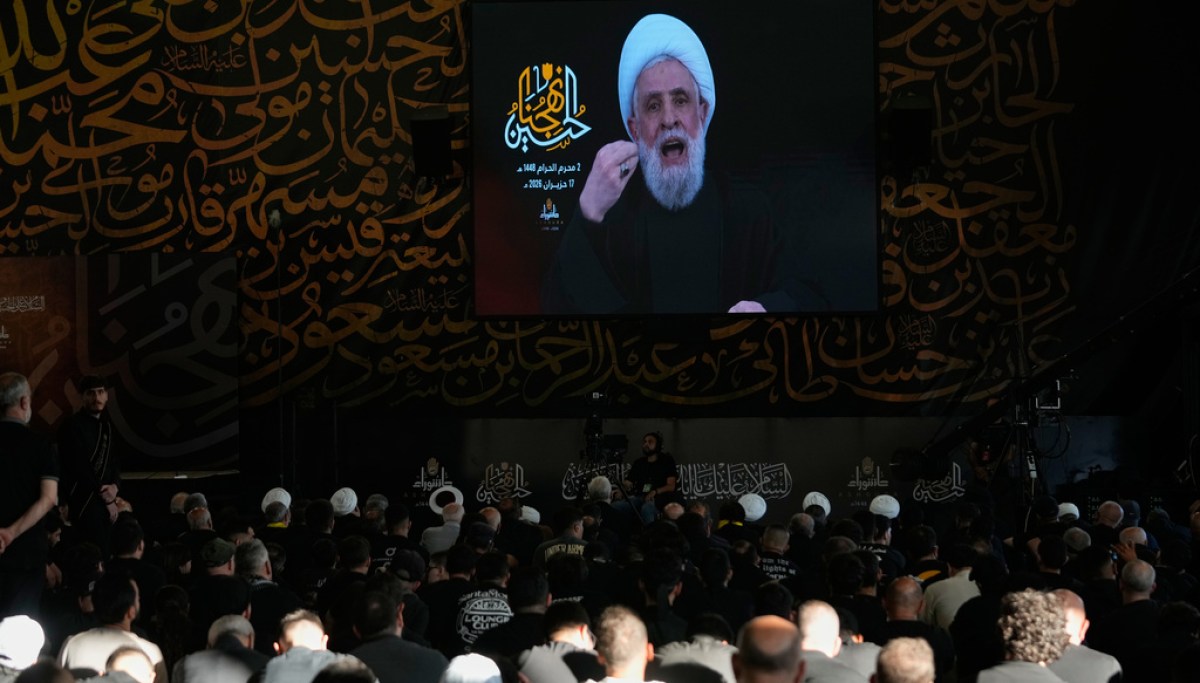
Naim Qassem, the current Hezbollah leader, issued a defiant statement declaring the tentative peace deal “null and void” and vowing that his forces would continue military operations against Israel. The terrorist chieftain accused Lebanon’s government of making unilateral concessions and specifically objected to provisions linking Israeli military withdrawal from Lebanese territory to Hezbollah’s disarmament.

The framework agreement had been presented as a potential pathway toward lasting peace and security between the two neighboring nations. Israeli forces entered Lebanon earlier this year to combat Hezbollah after the terror group launched cross-border strikes on Israel in retaliation for joint American and Israeli military action against Iran.

Qassem’s rejection of the agreement threatens to unravel broader diplomatic efforts in the region, including the fragile temporary ceasefire between Washington and Tehran. Iranian officials have indicated that any permanent peace arrangement with the United States depends on unconditional Israeli withdrawal from Lebanese territory.

Israeli Prime Minister Benjamin Netanyahu had characterized the framework deal as a significant setback for Tehran when it was announced, telling Iran directly that it has no legitimate role in southern Lebanon alongside Hezbollah or any other terrorist entity.

Netanyahu described the agreement as marking a severe blow to Iran and suggested it could open the door to historic diplomatic normalization between Israel and Lebanon.

This is not the first time Hezbollah has torpedoed ceasefire efforts. Qassem previously rejected another Lebanese government agreement on June 4, using similar language about refusing to accept what he termed surrender and defeat.

The terrorist leader’s latest statement insisted his organization would not abandon the battlefield despite difficult circumstances, signaling continued militant operations regardless of agreements reached by Lebanon’s internationally recognized government.

The breakdown illustrates the complex reality facing diplomatic efforts in Lebanon, where the government in Beirut lacks the authority to enforce agreements on Iranian-backed militant forces that operate as a state within a state across much of the country.

With information from Washington Examiner

Share:
Newsroom
Newsroom

NewsFire.GR is a website created with the hope that the media will rediscover their true identity, which is none other than informing the public about the real stakes of our times. Journalism and political analysis must hold power accountable, not serve it.

The Iranian-backed terrorist organization, which maintains effective control over significant portions of Lebanese territory, dismissed the framework security agreement negotiated this week between Beirut and Jerusalem with Washington serving as mediator, according to Washington Examiner.

Naim Qassem, the current Hezbollah leader, issued a defiant statement declaring the tentative peace deal “null and void” and vowing that his forces would continue military operations against Israel. The terrorist chieftain accused Lebanon’s government of making unilateral concessions and specifically objected to provisions linking Israeli military withdrawal from Lebanese territory to Hezbollah’s disarmament.

The framework agreement had been presented as a potential pathway toward lasting peace and security between the two neighboring nations. Israeli forces entered Lebanon earlier this year to combat Hezbollah after the terror group launched cross-border strikes on Israel in retaliation for joint American and Israeli military action against Iran.

Qassem’s rejection of the agreement threatens to unravel broader diplomatic efforts in the region, including the fragile temporary ceasefire between Washington and Tehran. Iranian officials have indicated that any permanent peace arrangement with the United States depends on unconditional Israeli withdrawal from Lebanese territory.

Israeli Prime Minister Benjamin Netanyahu had characterized the framework deal as a significant setback for Tehran when it was announced, telling Iran directly that it has no legitimate role in southern Lebanon alongside Hezbollah or any other terrorist entity.

Netanyahu described the agreement as marking a severe blow to Iran and suggested it could open the door to historic diplomatic normalization between Israel and Lebanon.

This is not the first time Hezbollah has torpedoed ceasefire efforts. Qassem previously rejected another Lebanese government agreement on June 4, using similar language about refusing to accept what he termed surrender and defeat.

The terrorist leader’s latest statement insisted his organization would not abandon the battlefield despite difficult circumstances, signaling continued militant operations regardless of agreements reached by Lebanon’s internationally recognized government.

The breakdown illustrates the complex reality facing diplomatic efforts in Lebanon, where the government in Beirut lacks the authority to enforce agreements on Iranian-backed militant forces that operate as a state within a state across much of the country.

With information from Washington Examiner


