Necessary Cookies

Required for the site to function. Cannot be disabled.

Analytics Cookies

Help us understand how visitors interact with our site (Google Analytics via GTM).

Marketing Cookies

Used to track visitors and deliver personalised advertisements.

We use cookies to enhance your browsing experience and analyse site traffic. By clicking Accept All, you consent to our use of cookies. Privacy Policy
NewsFire Global
Home News Europe World Christianity Culture Wars Opinion Video
Information
About Us Authors Advertising Terms & Conditions Privacy Policy Contact
R2B Media
R2B NEWSFIRE.GR PAPAFOTIS.GR THRACTION HELLENIC CONSERVATIVES RIGHT2THEBONE YT
News World

French Team Origins Spark Controversy After World Cup Victory

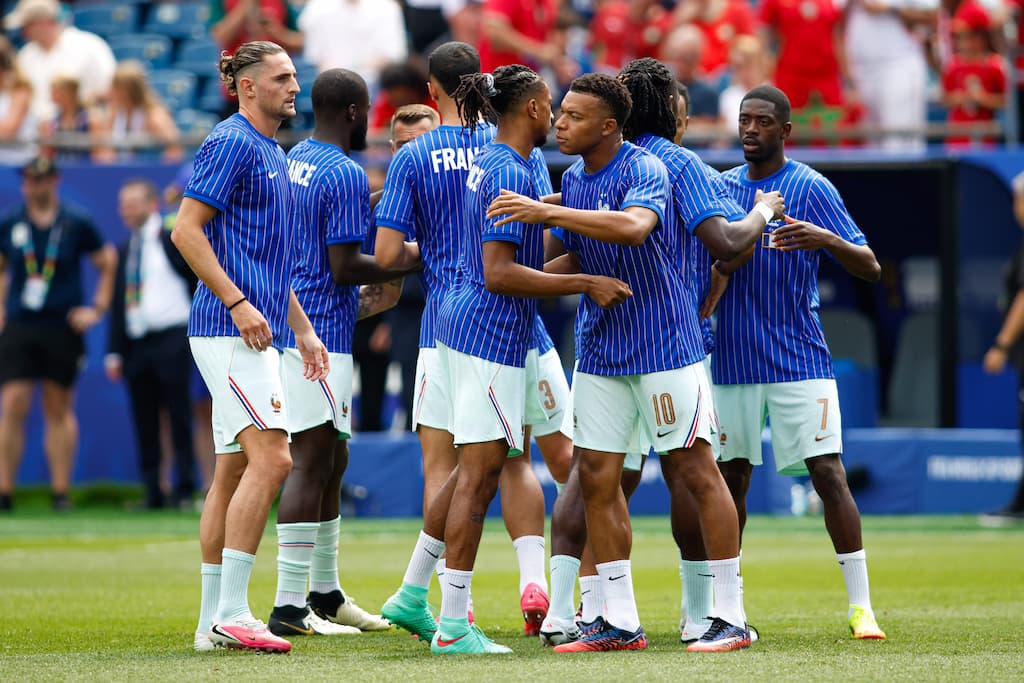
French politicians across the spectrum condemned xenophobic remarks by former Spanish PM Mariano Rajoy and a Paraguayan senator targeting France's diverse World Cup squad, including racist attacks on Kylian Mbappé.
Stefanos Banos
Stefanos Banos Staff Writer
JULY 13, 2026 AT 7:20 PM

According to Valeurs Actuelles, Mariano Rajoy published a column in Spanish outlet El Debate on Friday in which he praised the quality of the French squad before delivering a provocative statement that has sparked widespread controversy. The former Spanish conservative leader suggested that despite the high caliber of France’s roster, the team contains no French players—a clear reference to the ethnic and immigrant backgrounds of many squad members.

The remarks were swiftly condemned across the French political spectrum as xenophobic, reigniting a longstanding debate about national identity and the composition of France’s national team. Since the celebrated “Black, Blanc, Beur” squad won the World Cup in 1998, France’s national selection has repeatedly been subject to commentary—both domestic and international—focused on the origins of its players rather than their athletic achievements.

French Politicians Rally Behind National Team

French political leaders responded with unified condemnation. Socialist Party leader Olivier Faure emphasized that the French team comprises only French citizens, stressing that France is not an ethnic nation but a political one. Communist Party leader Fabien Roussel denounced what he called base racism, while government ministers including Aurore Bergé and Laurent Nuñez described Rajoy’s comments as unacceptable.

Even in Spain, Rajoy found himself disavowed by the current government. Spanish Prime Minister Pedro Sánchez condemned the statements as xenophobic, asserting that national belonging cannot be measured by surname, birthplace, or skin color.

Pattern of Attacks from Abroad

The incident with Rajoy was not isolated. Days earlier, following France’s victory over Paraguay, Paraguayan senator Celeste Amarilla launched racist insults against Kylian Mbappé and questioned his origins. Within the span of less than a week, two foreign elected officials chose to target the ethnic composition of France’s squad rather than engage with the team’s sporting performance.

The recurring nature of such attacks highlights the extent to which France’s multiethnic national team has become a lightning rod for broader debates about immigration, integration, and national identity—debates that transcend sport and reflect deeper political and cultural tensions both within France and across Europe.

As France prepares to face Spain in Tuesday’s World Cup semifinal, the controversy serves as a reminder that the team carries symbolic weight far beyond the pitch, representing competing visions of what it means to be French in the twenty-first century.

With information from Valeurs Actuelles

Share:
Stefanos Banos
Stefanos Banos

Stefanos Banos was born in Piraeus and is an editor at NewsFire.GR, specializing in political analysis and international relations. He graduated from the Department of Communication and Media at the University of Bremen in Germany, where he also completed his Master of Arts in Communication and Media Studies. Married to Zoi, he is a proud father of three boys.

According to Valeurs Actuelles, Mariano Rajoy published a column in Spanish outlet El Debate on Friday in which he praised the quality of the French squad before delivering a provocative statement that has sparked widespread controversy. The former Spanish conservative leader suggested that despite the high caliber of France’s roster, the team contains no French players—a clear reference to the ethnic and immigrant backgrounds of many squad members.

The remarks were swiftly condemned across the French political spectrum as xenophobic, reigniting a longstanding debate about national identity and the composition of France’s national team. Since the celebrated “Black, Blanc, Beur” squad won the World Cup in 1998, France’s national selection has repeatedly been subject to commentary—both domestic and international—focused on the origins of its players rather than their athletic achievements.

French Politicians Rally Behind National Team

French political leaders responded with unified condemnation. Socialist Party leader Olivier Faure emphasized that the French team comprises only French citizens, stressing that France is not an ethnic nation but a political one. Communist Party leader Fabien Roussel denounced what he called base racism, while government ministers including Aurore Bergé and Laurent Nuñez described Rajoy’s comments as unacceptable.

Even in Spain, Rajoy found himself disavowed by the current government. Spanish Prime Minister Pedro Sánchez condemned the statements as xenophobic, asserting that national belonging cannot be measured by surname, birthplace, or skin color.

Pattern of Attacks from Abroad

The incident with Rajoy was not isolated. Days earlier, following France’s victory over Paraguay, Paraguayan senator Celeste Amarilla launched racist insults against Kylian Mbappé and questioned his origins. Within the span of less than a week, two foreign elected officials chose to target the ethnic composition of France’s squad rather than engage with the team’s sporting performance.

The recurring nature of such attacks highlights the extent to which France’s multiethnic national team has become a lightning rod for broader debates about immigration, integration, and national identity—debates that transcend sport and reflect deeper political and cultural tensions both within France and across Europe.

As France prepares to face Spain in Tuesday’s World Cup semifinal, the controversy serves as a reminder that the team carries symbolic weight far beyond the pitch, representing competing visions of what it means to be French in the twenty-first century.

With information from Valeurs Actuelles

