Necessary Cookies

Required for the site to function. Cannot be disabled.

Analytics Cookies

Help us understand how visitors interact with our site (Google Analytics via GTM).

Marketing Cookies

Used to track visitors and deliver personalised advertisements.

We use cookies to enhance your browsing experience and analyse site traffic. By clicking Accept All, you consent to our use of cookies. Privacy Policy
NewsFire Global
Home News Europe World Christianity Culture Wars Opinion Video
Information
About Us Authors Advertising Terms & Conditions Privacy Policy Contact
R2B Media
R2B NEWSFIRE.GR PAPAFOTIS.GR THRACTION HELLENIC CONSERVATIVES RIGHT2THEBONE YT
News Europe

EU Summit Erupts in Fierce Dispute Over Costa’s Moscow Channel

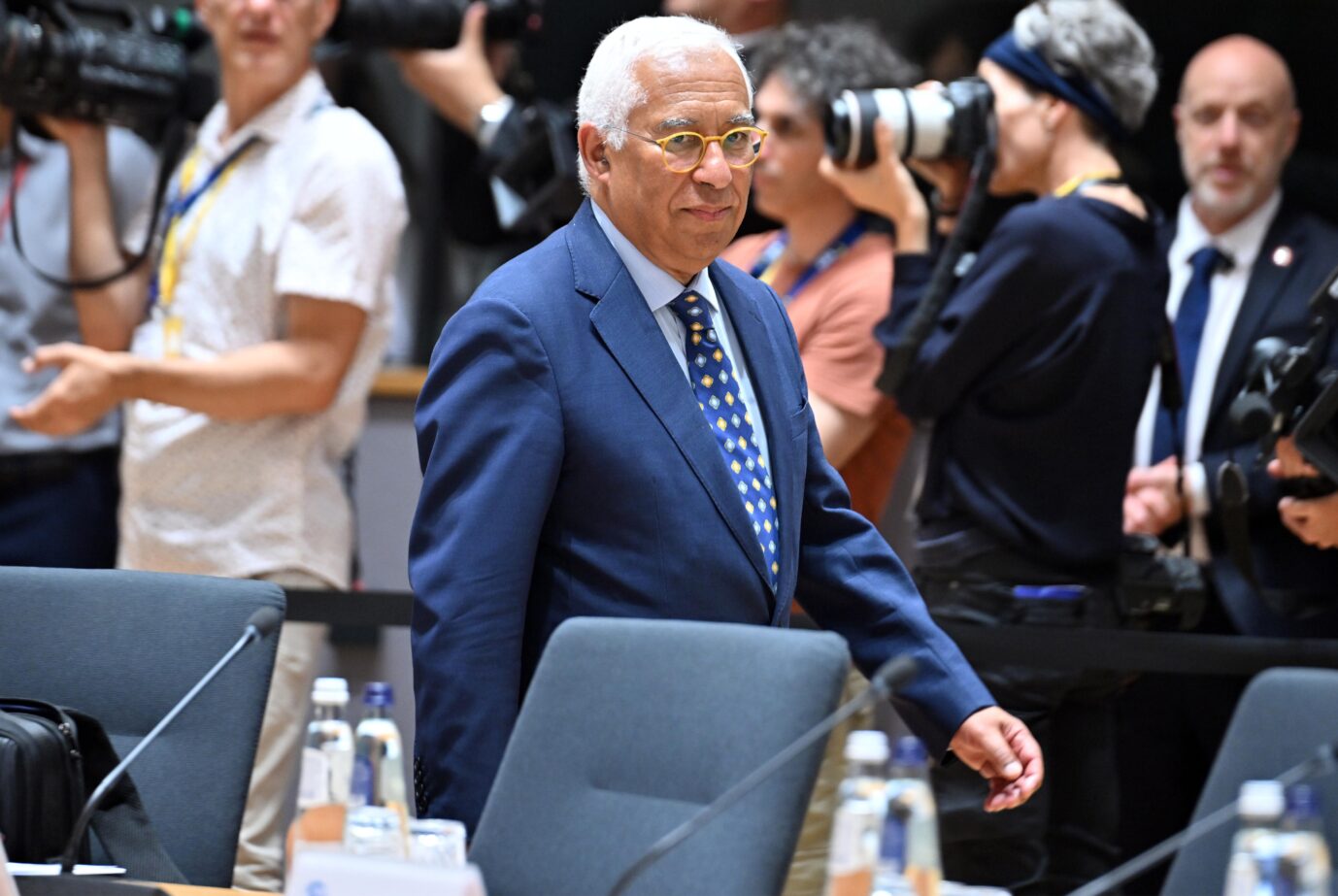
EU Council President António Costa faced sharp criticism from German Chancellor Friedrich Merz and other leaders for unilaterally establishing Moscow communication channels without prior consultation.
Dimitris Papafotis
Dimitris Papafotis Editor in Chief
JUNE 19, 2026 AT 7:33 PM Updated: Jun 19, 2026 6:23 PM

According to Junge Freiheit, Friedrich Merz of the Christian Democratic Union bluntly called Costa’s initiative an affront during heated discussions at the gathering. The German chancellor and other heads of state were reportedly only informed after the fact about the Portuguese politician’s attempt to create a diplomatic back channel to Russia regarding potential negotiations over the Ukraine conflict.

The office of the EU Council President had announced that contacts with Russia had been established in preparation for possible negotiations concerning the war in Ukraine, though no substantive discussions had taken place. Costa’s chief of staff Pedro Lourtie conducted two telephone calls on the matter, the German press agency reported.

Merz Challenges Costa’s Authority

During the summit session, Merz reportedly made clear in forceful terms that while Costa represents the European Union, he is not its mediator. The German government characterized the move as uncoordinated and unprofessional. French President Emmanuel Macron was also said to be displeased with Costa’s independent action.

The embattled Council President defended his initiative, arguing that the goal was to be prepared when the right moment arrives to defend EU interests. Sources close to Costa indicated that not all leaders criticized him, with several pointing out that the president is the natural representative of European Union interests under existing treaties.

Power Struggle Over Negotiation Rights

The underlying conflict centers on who will lead potential peace negotiations with Russia. Merz, along with Macron and British Prime Minister Keir Starmer, seeks to position the so-called E3 format at the negotiating table rather than Costa. The German chancellor fears being sidelined when peace talks regarding Ukraine take center stage on the world diplomatic scene.

The question of who should negotiate on behalf of Brussels in possible discussions involving Russia, the United States, and Ukraine remains unresolved within the European Union. Merz recently emphasized that he sees a window for negotiations in the coming weeks and months as the military situation improves in Ukraine’s favor and Russian President Vladimir Putin recognizes he cannot win the war.

Kallas Also Seeks Role

EU foreign policy chief Kaja Kallas has also expressed interest in participating in any negotiations, a prospect that meets with resistance from Merz and other European government leaders.

However, a significant obstacle undermines the entire dispute over European representation: Russia has no interest in negotiating with Brussels at all. Russian Foreign Minister Sergei Lavrov recently stated that the European Union is not neutral and does not want to negotiate but rather seeks to rescue the Ukrainian government and preserve the neighboring country as a base for continued confrontation with Russia. Since the EU is interested in a Russian defeat, it cannot be considered an impartial mediator, Lavrov argued.

Zelensky Remains Noncommittal

Ukrainian President Volodymyr Zelensky, who attended the EU summit, remained reserved regarding Costa’s initiative. When asked about the matter while leaving the meeting, he told reporters he did not know too many details about it.

The joint declaration issued after the summit expressed support for diplomatic efforts to end the Russian military offensive. The statement emphasized that Europe has a key role to play in any future solution and stands ready to defend its interests. Russia was called upon to show genuine willingness for peace, with the goal being a complete, unconditional, and immediate ceasefire.

With information from Junge Freiheit
Share:
Dimitris Papafotis
Dimitris Papafotis

Dimitris Papafotis is the editor-in-chief of NewsFire.GR. He was born and raised in Athens. He studied at the Journalism Workshop (1991-1993). He currently lives in Pyrgos, Ilia, where he has been active in radio and various newspapers, while also maintaining his personal blog, Papafotis.gr.

According to Junge Freiheit, Friedrich Merz of the Christian Democratic Union bluntly called Costa’s initiative an affront during heated discussions at the gathering. The German chancellor and other heads of state were reportedly only informed after the fact about the Portuguese politician’s attempt to create a diplomatic back channel to Russia regarding potential negotiations over the Ukraine conflict.

The office of the EU Council President had announced that contacts with Russia had been established in preparation for possible negotiations concerning the war in Ukraine, though no substantive discussions had taken place. Costa’s chief of staff Pedro Lourtie conducted two telephone calls on the matter, the German press agency reported.

Merz Challenges Costa’s Authority

During the summit session, Merz reportedly made clear in forceful terms that while Costa represents the European Union, he is not its mediator. The German government characterized the move as uncoordinated and unprofessional. French President Emmanuel Macron was also said to be displeased with Costa’s independent action.

The embattled Council President defended his initiative, arguing that the goal was to be prepared when the right moment arrives to defend EU interests. Sources close to Costa indicated that not all leaders criticized him, with several pointing out that the president is the natural representative of European Union interests under existing treaties.

Power Struggle Over Negotiation Rights

The underlying conflict centers on who will lead potential peace negotiations with Russia. Merz, along with Macron and British Prime Minister Keir Starmer, seeks to position the so-called E3 format at the negotiating table rather than Costa. The German chancellor fears being sidelined when peace talks regarding Ukraine take center stage on the world diplomatic scene.

The question of who should negotiate on behalf of Brussels in possible discussions involving Russia, the United States, and Ukraine remains unresolved within the European Union. Merz recently emphasized that he sees a window for negotiations in the coming weeks and months as the military situation improves in Ukraine’s favor and Russian President Vladimir Putin recognizes he cannot win the war.

Kallas Also Seeks Role

EU foreign policy chief Kaja Kallas has also expressed interest in participating in any negotiations, a prospect that meets with resistance from Merz and other European government leaders.

However, a significant obstacle undermines the entire dispute over European representation: Russia has no interest in negotiating with Brussels at all. Russian Foreign Minister Sergei Lavrov recently stated that the European Union is not neutral and does not want to negotiate but rather seeks to rescue the Ukrainian government and preserve the neighboring country as a base for continued confrontation with Russia. Since the EU is interested in a Russian defeat, it cannot be considered an impartial mediator, Lavrov argued.

Zelensky Remains Noncommittal

Ukrainian President Volodymyr Zelensky, who attended the EU summit, remained reserved regarding Costa’s initiative. When asked about the matter while leaving the meeting, he told reporters he did not know too many details about it.

The joint declaration issued after the summit expressed support for diplomatic efforts to end the Russian military offensive. The statement emphasized that Europe has a key role to play in any future solution and stands ready to defend its interests. Russia was called upon to show genuine willingness for peace, with the goal being a complete, unconditional, and immediate ceasefire.

With information from Junge Freiheit