El Sayed clarifies ‘ogre’ remark in final Michigan debate
Michigan Democratic Senate candidates clashed in their final debate as Abdul el Sayed defended calling Senator John Fetterman an "ogre" while Haley Stevens dismissed concerns about outside spending backing her campaign.
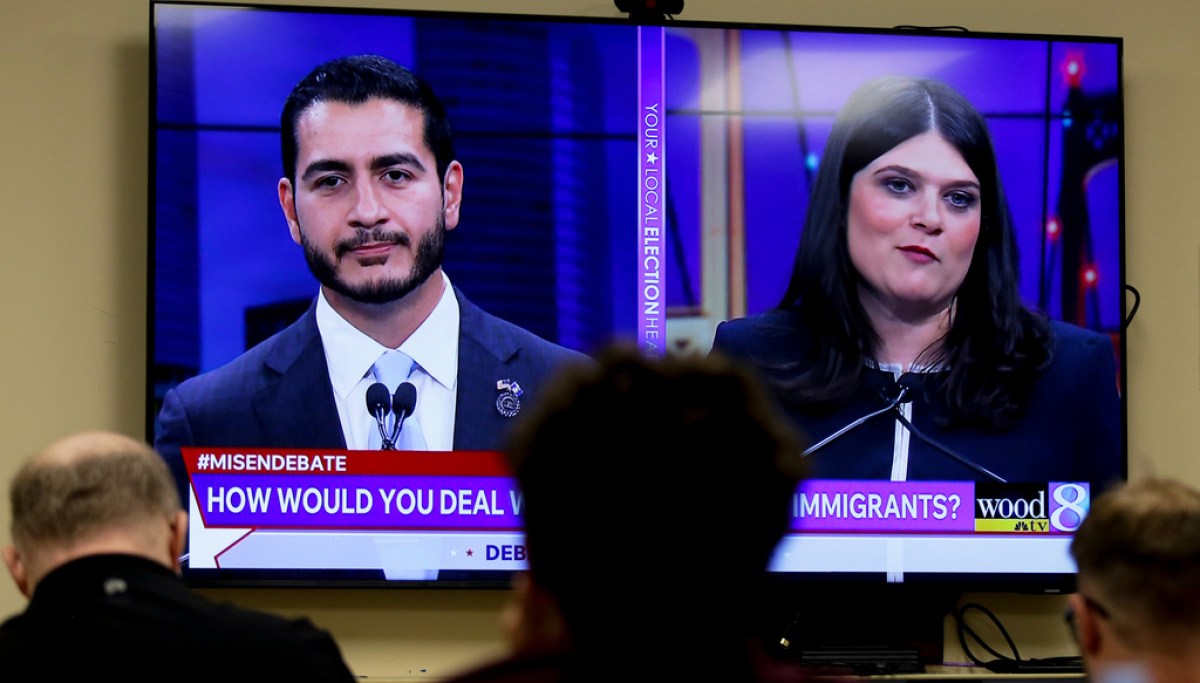

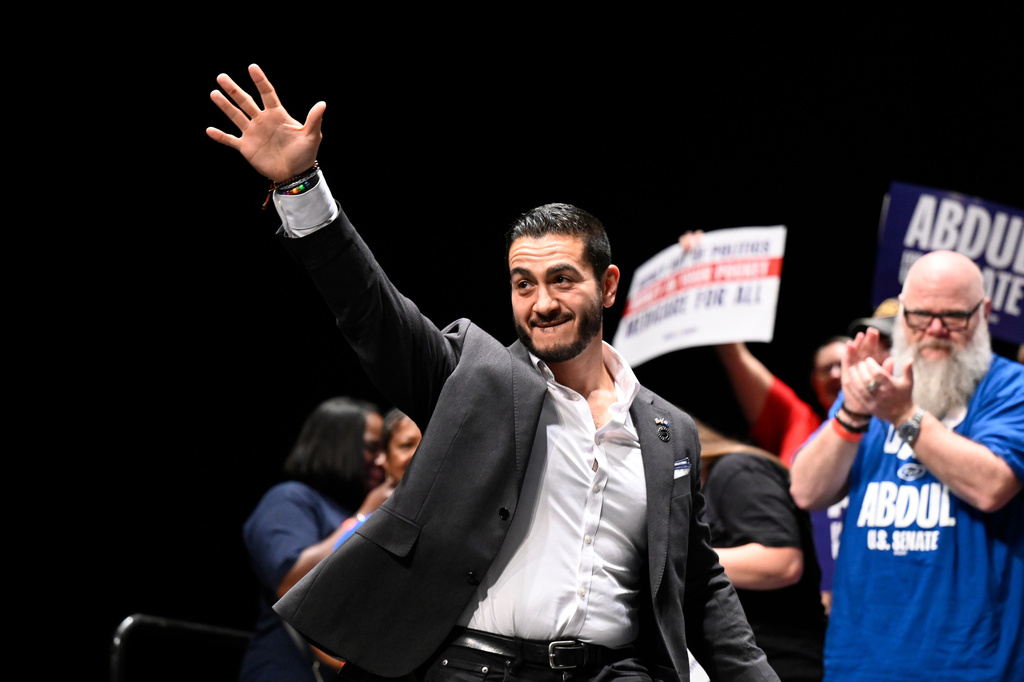
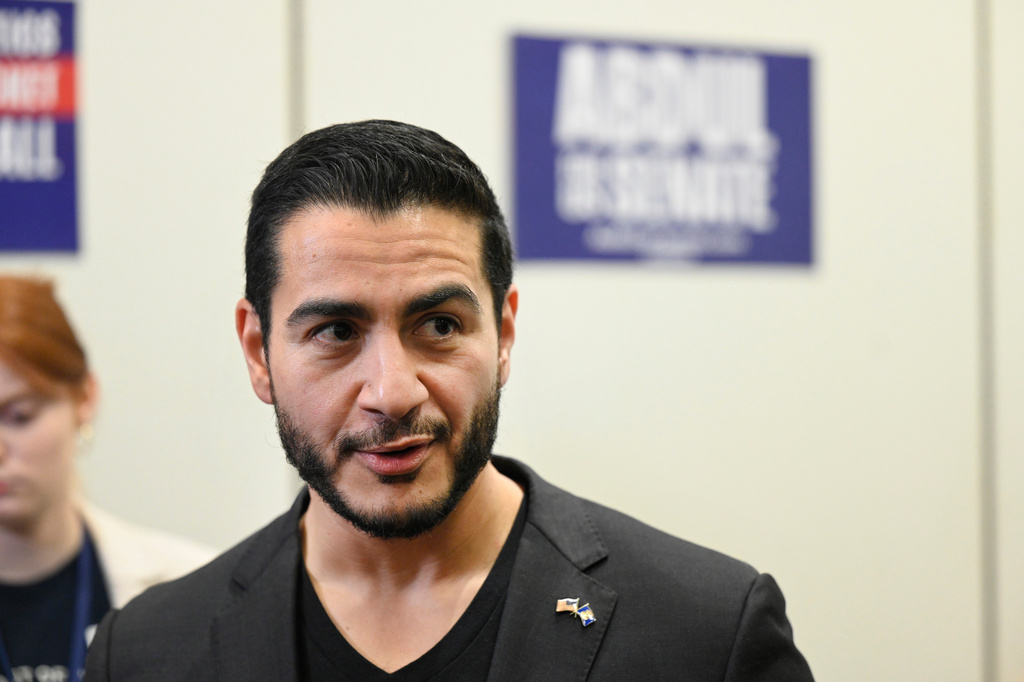
According to Rena Rowe writing in Washington Examiner, Abdul el Sayed faced pointed questions during the debate about inflammatory rhetoric he used on a recent donor Zoom call. In leaked audio obtained by Politico, el Sayed said that if he won the primary, he would have “no problem” backing primary challenges against lawmakers like Fetterman.
During that donor call, el Sayed stated: “Ideally, you put one ogre on a pike, and then everyone else gets the message.”
When pressed during the debate on whether the race would benefit from more civil discourse, el Sayed defended his comment as specifically directed at Fetterman, whom he accused of betraying the values that got him elected.
“I was referring to a guy named John Fetterman, who’s a senator from Pennsylvania who has done terrible things, got elected on a set of values, and is now completely throwing those values in the mud,” el Sayed said. “I think it’s important for all of us to have an honest opinion about what we’re going to do to make sure that our Senate looks like the people it represents.”
El Sayed attempted to reframe himself as the civil candidate in the race, noting he had publicly called on supporters not to personally attack Stevens after she was booed at the Michigan Democratic Party convention. He then turned the tables, accusing outside groups backing Stevens of saturating airwaves with personal attacks, specifically pointing to millions poured in by the United Democracy Project, a super PAC linked to the American Israel Public Affairs Committee.
Haley Stevens responded by sidestepping the rhetoric controversy and arguing that el Sayed’s donor call comments revealed his true priority: ideological warfare rather than governing.
“Michigan needs a workhorse,” Stevens said. “I’m offering these ideas respectfully.”
AIPAC Spending Dominates Race Narrative
Stevens later faced tough questioning about AIPAC-aligned outside spending, which has emerged as a defining issue in the contest. She rejected any concerns, stating it is “absolutely not” problematic and noting she is “deeply proud to represent one of the largest Jewish populations in a congressional district in the country.”
“People have every right to be frustrated about our campaign finance system,” Stevens said, before claiming that el Sayed “a super PAC that his father-in-law funds that has millions of dollars going into it.” While acknowledging policy disagreements with el Sayed on Israel, she defended her support for a two-state solution and said both el Sayed and Israeli Prime Minister Benjamin Netanyahu had criticized her positions.
“Michiganders want peace,” she said. “They deserve to see peace. And that is where I have always cast my vote.”
El Sayed fired back that the race has been fundamentally warped by unprecedented outside spending.
“The difference between us is $46 million of PAC spending,” he said, arguing the money represents outside interests attempting to buy influence in the election.
Establishment Versus Progressive Showdown
Stevens and el Sayed head into the final stretch before the August 4 Democratic primary in one of the party’s most closely watched Senate races. Stevens has secured backing from much of the Democratic establishment, including Michigan Governor Gretchen Whitmer and Senate Minority Leader Chuck Schumer, among others. El Sayed has rallied progressive support, earning endorsements from Senators Bernie Sanders, Elizabeth Warren, and Chris Van Hollen, along with Representatives Alexandria Ocasio-Cortez and Ro Khanna.
With information from Washington Examiner