Did Israel want its arch-enemy Ahmadinejad in power in Iran?
Israel's Mossad allegedly planned to install former Iranian President Mahmoud Ahmadinejad as leader following a potential regime collapse, according to a New York Times report sparking debate over credibility.
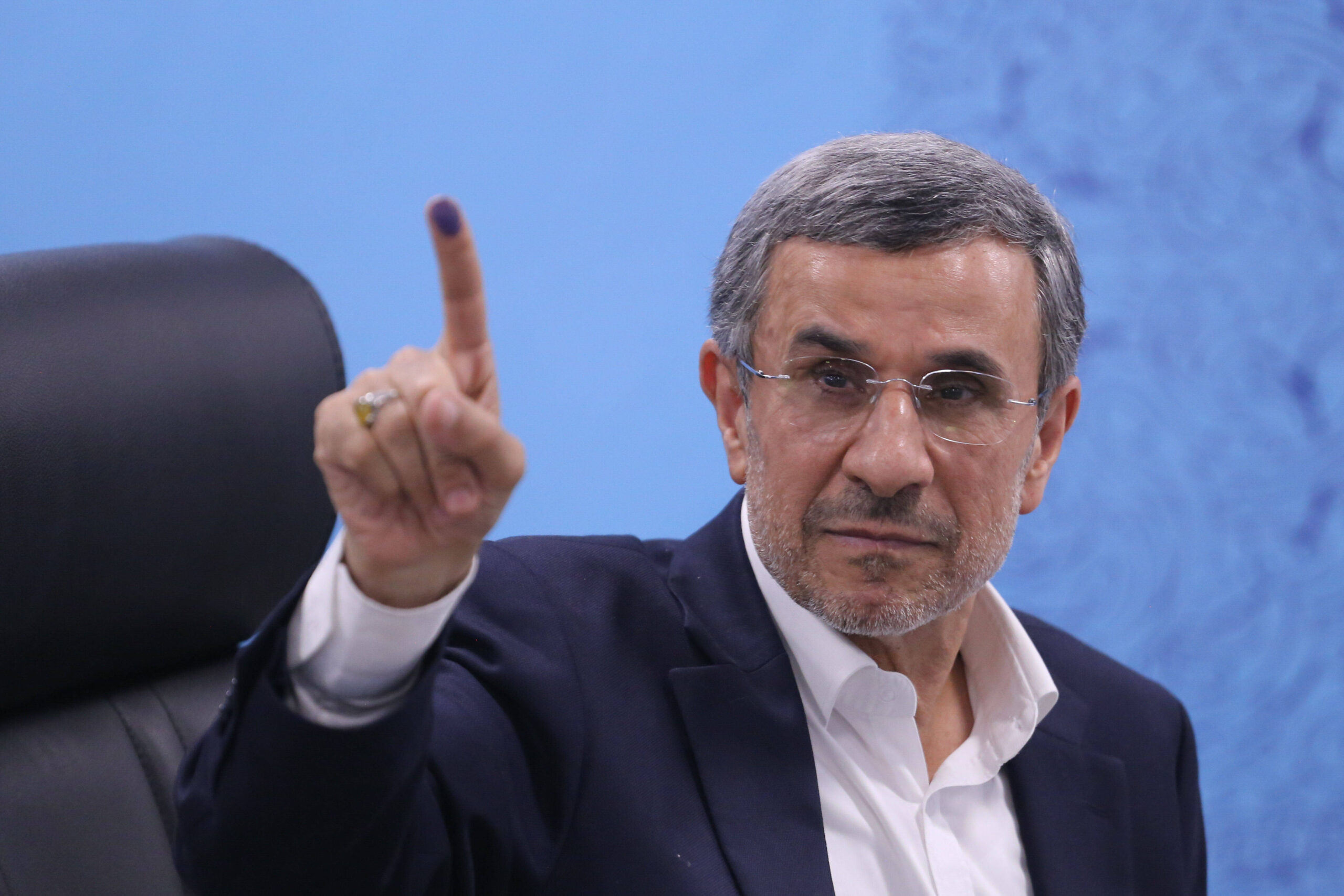

Writing in Nius, commentator Claudio Casula examines a recent New York Times report detailing what would be one of the most audacious intelligence operations in modern history—turning one of Israel’s most vitriolic enemies into an unlikely partner for regime change in Tehran.
The alleged scenario begins on February 28 of this year, when American and Israeli forces reportedly struck Iranian regime targets and military infrastructure across Tehran. Among the sites hit was the former president’s residence in the southern part of the capital, with the building housing his security detail destroyed. Initial reports suggested Ahmadinejad had been killed in the attack.
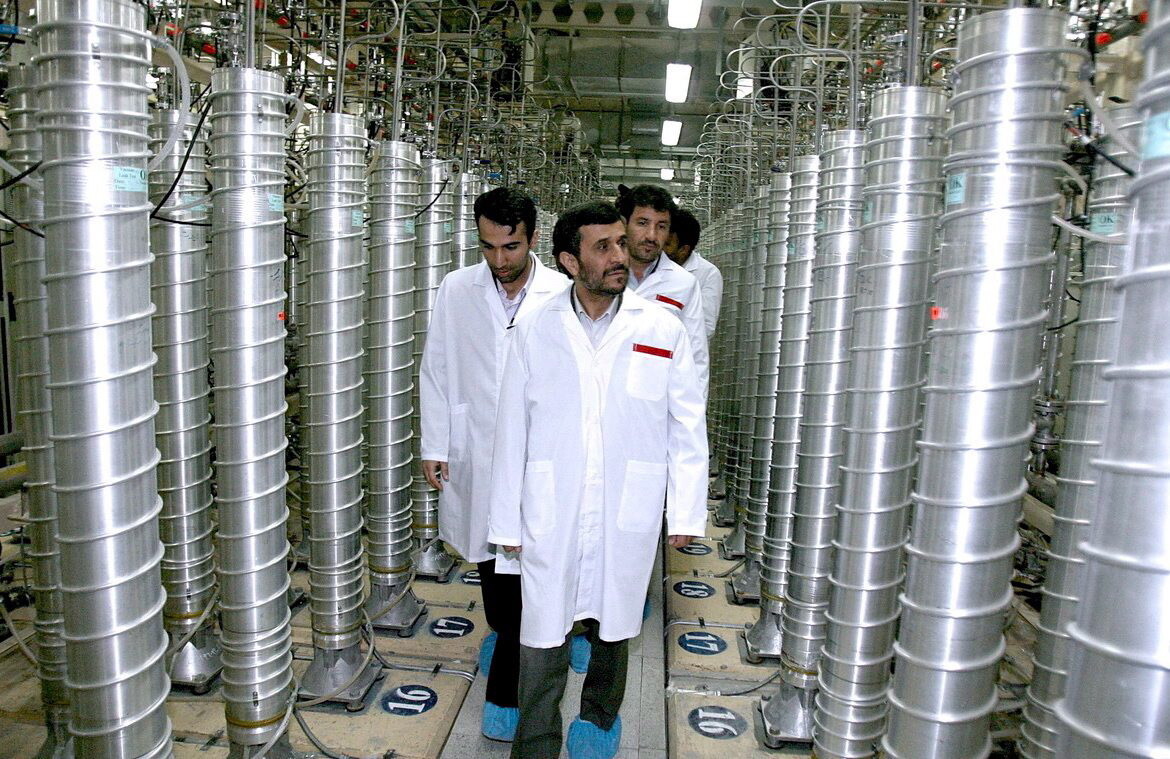
However, according to the New York Times account, Ahmadinejad was actually pulled from the chaos of burning buildings and vehicles by unidentified men who placed him in a black Peugeot and transported him to a secret safe house. The reason: the man who denied the Holocaust, publicly dreamed of a world without Zionism, threatened Israel with annihilation, and advanced Iran’s nuclear program had allegedly become a key figure in plans to overthrow the mullahs.
Budapest Meetings and a Political Transformation
The backstory involves Ahmadinejad’s falling out with the regime after being blocked three times from running for president again. He began criticizing corruption within the government and the repression of regime opponents, while also undergoing a personal transformation. The former president abandoned his previously unkempt appearance, trading his signature beige jacket for business suits, trimming his beard, and reportedly even using Botox. He also learned English.
Positioning himself as a potential reformer, Ahmadinejad opened himself to new alliances. He allegedly went so far as to say that under his leadership, Iran would recognize the Jewish state and join the Abraham Accords. Israel supposedly seized on this opportunity. Since 2022, the Mossad has reportedly pursued a plan to help Ahmadinejad take power in the final phase of any regime collapse. Israeli agents allegedly met with him multiple times abroad, including in Guatemala in 2023.
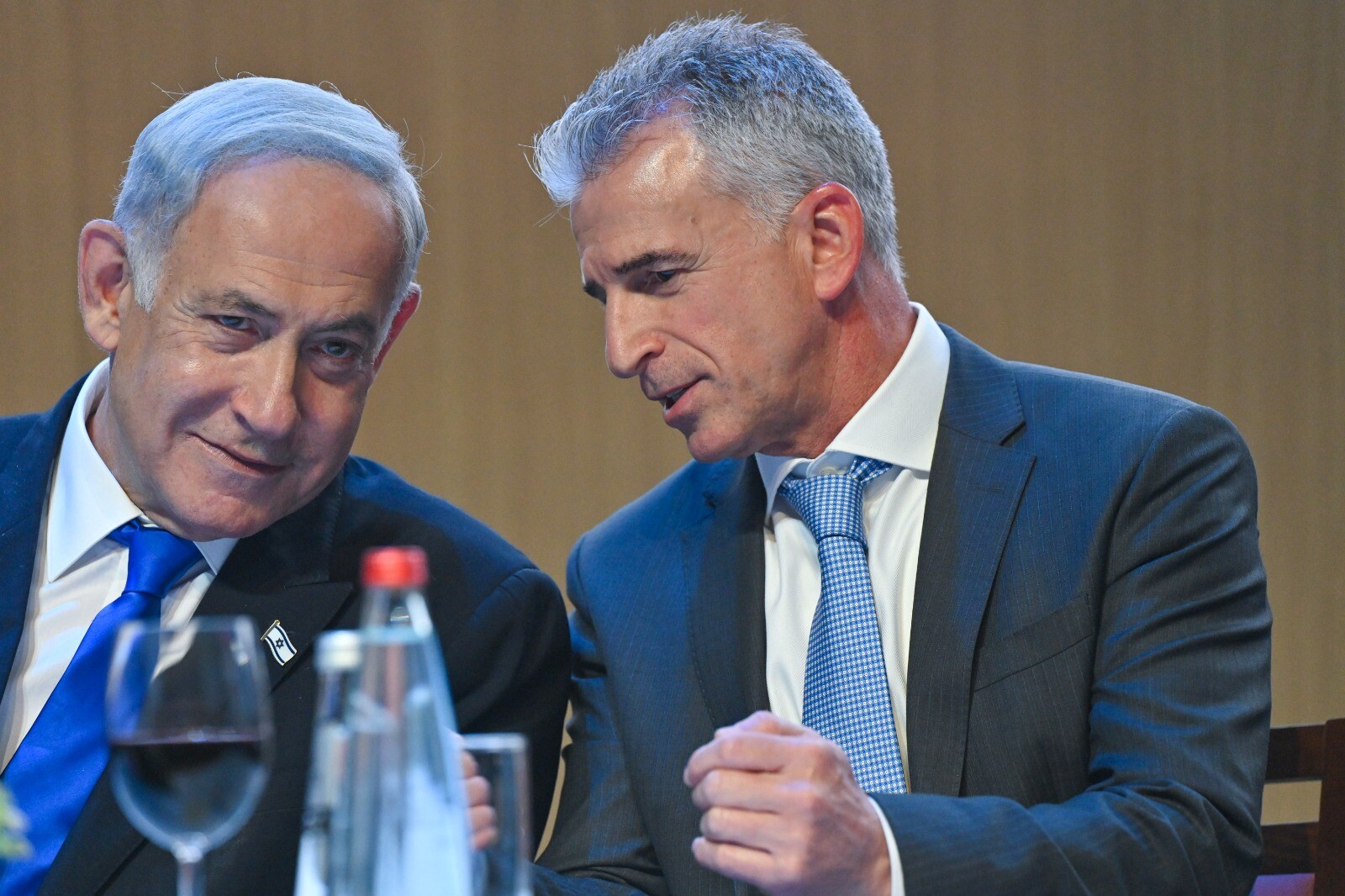
The pro-Israel Orbán government in Hungary allegedly arranged for Gergely Deli, rector of Budapest’s Ludovika University, to invite Ahmadinejad to a climate conference in 2024. Deli reportedly understood this was a pretext to facilitate a meeting between Mossad chief David Barnea and the former Iranian president. A second meeting allegedly took place in Hungary in 2025, with Washington informed of the contact. The Iranian reportedly ditched his bodyguards multiple times to speak with the Israelis, later claiming he had met with academics.
Anonymous Sources and Unanswered Questions
The major weakness in the New York Times report is its heavy reliance on anonymous sources—political officials, diplomats, and intelligence agents totaling thirty Americans, Israelis, and Iranians. Apart from university rector Deli and Tamir Hayman, former head of Israeli military intelligence, all informants remain unnamed, complicating independent verification of the claims.
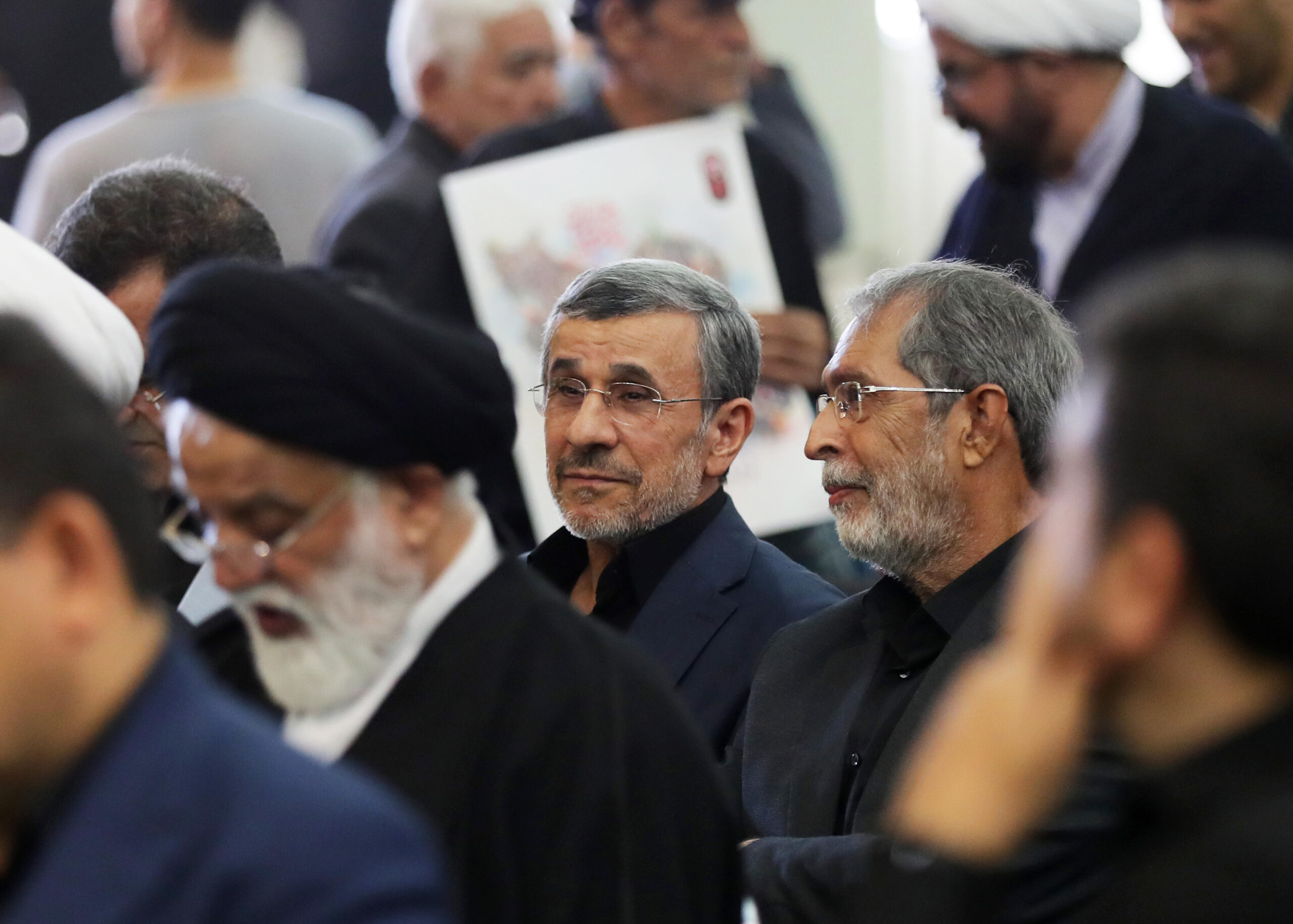
Critical questions remain unanswered, including why Ahmadinejad would have fled the safe house after the airstrike on his compound. The Times suggests he ultimately lost confidence in the Israeli plan. What is certain is that Ahmadinejad disappeared from public view after the incident, only resurfacing recently at the funeral for the late Ayatollah Ali Khamenei, wearing a heavy coat with a face mask hanging beneath his chin and surrounded by security personnel.
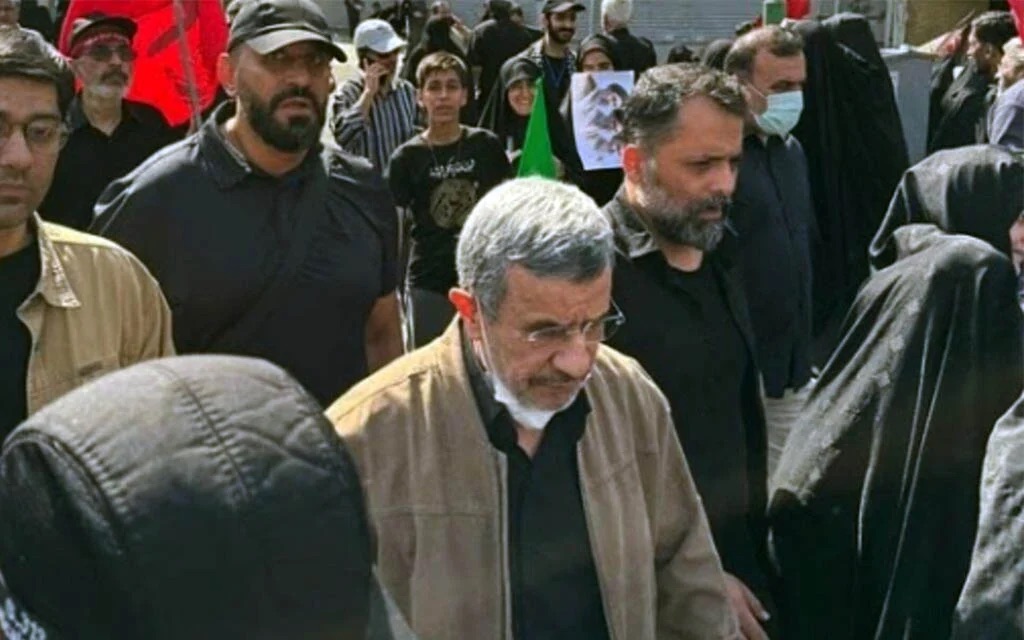
According to four senior Iranian government officials, he has been under house arrest since the regime discovered his contacts with the Mossad. On Tuesday, Ahmadinejad’s office dismissed the New York Times report as worthless claims worthy of Hollywood and a ridiculous scenario. The statement called the story lies, denied any house arrest, and characterized the account as psychological warfare against the Iranian public.
Circumstantial Evidence and Unanswered Questions
Supporting the possibility that some elements of the story are accurate is the Mossad’s proven ability to infiltrate the highest ranks of Iran’s terror state. Without such informants, numerous successful operations against Iranian targets would have been impossible. The intelligence service has demonstrated extraordinary reach within the Islamic Republic’s power structure.

The allegations, whether entirely accurate or partially fabricated, highlight the complex and often bizarre world of Middle Eastern intelligence operations, where yesterday’s sworn enemies can potentially become tomorrow’s strategic partners. Whether Ahmadinejad genuinely entertained cooperation with Israel or the entire episode represents disinformation remains unclear.
What is certain is that any such arrangement would represent one of the most dramatic reversals in modern geopolitical history, involving a figure who spent years calling for Israel’s destruction potentially working with Israeli intelligence to reshape Iran’s future.
With information from Nius