Necessary Cookies

Required for the site to function. Cannot be disabled.

Analytics Cookies

Help us understand how visitors interact with our site (Google Analytics via GTM).

Marketing Cookies

Used to track visitors and deliver personalised advertisements.

We use cookies to enhance your browsing experience and analyse site traffic. By clicking Accept All, you consent to our use of cookies. Privacy Policy
NewsFire Global
Home News Europe World Christianity Culture Wars Opinion Video
Information
About Us Authors Advertising Terms & Conditions Privacy Policy Contact
R2B Media
R2B NEWSFIRE.GR PAPAFOTIS.GR THRACTION HELLENIC CONSERVATIVES RIGHT2THEBONE YT
News World

Democrats Face Uphill Battle Despite Drawing 2006 Wave Comparisons

Republicans face comparisons to their devastating 2006 midterm losses as Trump's approval ratings and unpopular conflicts mirror Bush-era conditions, though the GOP hopes redistricting will prevent a repeat.
Stefanos Banos
Stefanos Banos Staff Writer
AUGUST 6, 2026 AT 7:24 PM

Republican control of Congress faces significant headwinds this election cycle, with political observers drawing parallels to the devastating 2006 midterms that cost the GOP its House majority after more than a decade in power, according to W. James Antle III writing in Washington Examiner.

Amy Walter, a top editor at Cook Political Report, has identified striking similarities between the current political climate and 2006, when Republicans lost 31 House seats and five Senate seats under President George W. Bush‘s watch.

The comparisons are sobering for the GOP. Both Bush in 2006 and President Donald Trump today face job approval ratings below 40 percent, are entangled in unpopular military conflicts, and contend with widespread public dissatisfaction over economic conditions. Democrats hold similar advantages in generic congressional ballot polling in both periods, while Republican House members have become embroiled in damaging personal scandals.


In 2006, Representatives Don Sherwood, who lost reelection, and Mark Foley, who resigned, created political liabilities for their party. Today, Representatives Cory Mills of Florida and Max Miller of Ohio face similar scrutiny, while Representative Chuck Edwards of North Carolina abandoned his reelection campaign this week.

Both Bush and Trump are serving second terms after winning the popular vote for the first time in their political careers. Iraq and Iran are separated by one letter, as the analysis notes, though Trump’s Middle Eastern conflict has produced fewer American casualties and lasted a shorter duration than Bush’s Iraq war by the 2006 midterms.

Key Differences From 2006

Republicans are banking on several critical distinctions to avoid a repeat of the 2006 debacle. The party has worked to secure more safe congressional seats through redistricting efforts since that election. Combined with increased political polarization and multiple wave elections over nearly two decades, both parties have captured previously vulnerable districts from their opponents.

The House has changed hands four times since 2006, while the Senate has flipped seven times since the 1994 elections. Cook Political Report estimates that redistricting alone has reduced competitive swing seats from 87 to 77, with Democrats needing to win at least 57 of them to regain control.

House Speaker Mike Johnson of Louisiana told Washington Examiner ahead of the 2024 elections that whomever is in the majority, it will be a small majority, a prediction that proved accurate and gives Republicans hope that any losses could be temporary.

Democrat Brand Vulnerabilities

A potentially decisive factor absent from 2006 is the rise of socialism within Democratic ranks. Abdul el Sayed won a Senate primary in a battleground state this week, marking a significant shift leftward for the party. Polling shows the Democratic brand remained weak even before socialists began winning primaries, which may prove too extreme for swing voters.

Republicans are betting that a favorable electoral map and substantial campaign funds can overcome objectively poor national conditions heading into fall elections. Democrats, meanwhile, hope Trump’s declining approval ratings will expand the number of competitive seats in their favor.

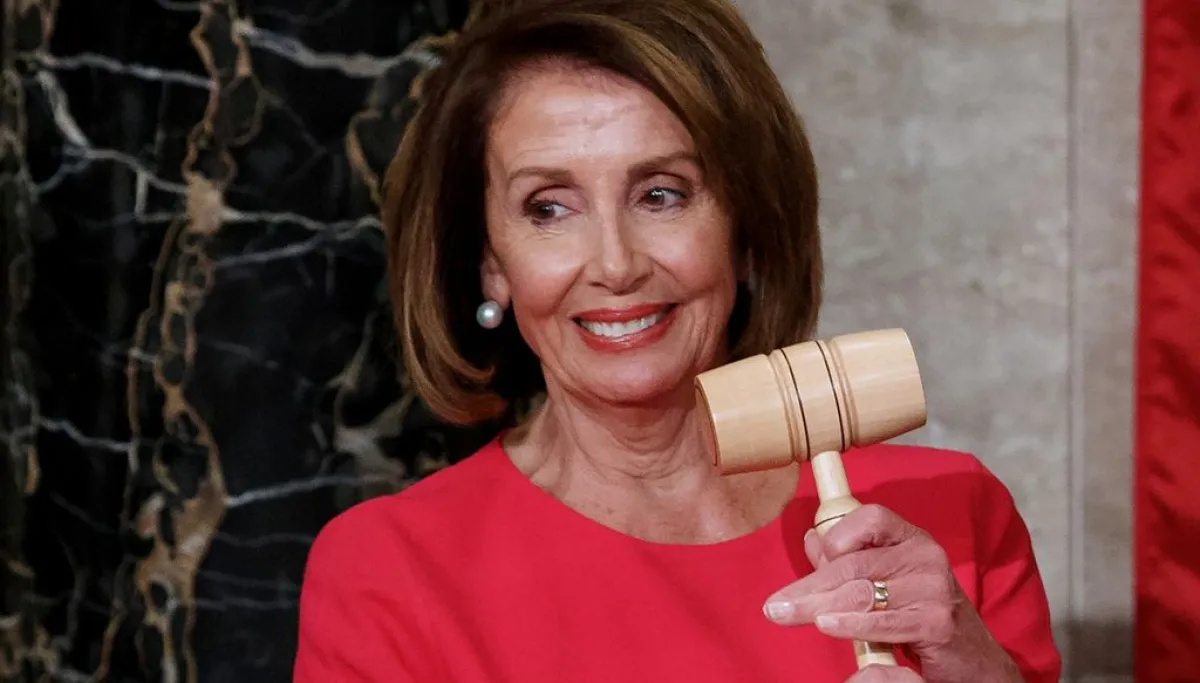
Inflation remains the dominant economic concern today, contrasting sharply with 2006 when price increases were largely a distant memory from the early 1980s. Representative Nancy Pelosi of California was ascending to House speaker for the first time in 2006, while she is now retiring from Congress.

Trump has led the Republican Party for nearly a decade, a longer tenure than most two-term presidents and unprecedented since Grover Cleveland‘s nonconsecutive terms. In 2006, Trump was wrapping up his fifth season hosting The Apprentice.

History offers little comfort for Republicans. The party controlling the White House has lost congressional seats in all but two midterm elections stretching back decades, establishing a pattern the GOP hopes to break despite formidable obstacles.

With information from Washington Examiner

Share:
Stefanos Banos
Stefanos Banos

Stefanos Banos was born in Piraeus and is an editor at NewsFire.GR, specializing in political analysis and international relations. He graduated from the Department of Communication and Media at the University of Bremen in Germany, where he also completed his Master of Arts in Communication and Media Studies. Married to Zoi, he is a proud father of three boys.

Republican control of Congress faces significant headwinds this election cycle, with political observers drawing parallels to the devastating 2006 midterms that cost the GOP its House majority after more than a decade in power, according to W. James Antle III writing in Washington Examiner.

Amy Walter, a top editor at Cook Political Report, has identified striking similarities between the current political climate and 2006, when Republicans lost 31 House seats and five Senate seats under President George W. Bush‘s watch.

The comparisons are sobering for the GOP. Both Bush in 2006 and President Donald Trump today face job approval ratings below 40 percent, are entangled in unpopular military conflicts, and contend with widespread public dissatisfaction over economic conditions. Democrats hold similar advantages in generic congressional ballot polling in both periods, while Republican House members have become embroiled in damaging personal scandals.

In 2006, Representatives Don Sherwood, who lost reelection, and Mark Foley, who resigned, created political liabilities for their party. Today, Representatives Cory Mills of Florida and Max Miller of Ohio face similar scrutiny, while Representative Chuck Edwards of North Carolina abandoned his reelection campaign this week.

Both Bush and Trump are serving second terms after winning the popular vote for the first time in their political careers. Iraq and Iran are separated by one letter, as the analysis notes, though Trump’s Middle Eastern conflict has produced fewer American casualties and lasted a shorter duration than Bush’s Iraq war by the 2006 midterms.

Key Differences From 2006

Republicans are banking on several critical distinctions to avoid a repeat of the 2006 debacle. The party has worked to secure more safe congressional seats through redistricting efforts since that election. Combined with increased political polarization and multiple wave elections over nearly two decades, both parties have captured previously vulnerable districts from their opponents.

The House has changed hands four times since 2006, while the Senate has flipped seven times since the 1994 elections. Cook Political Report estimates that redistricting alone has reduced competitive swing seats from 87 to 77, with Democrats needing to win at least 57 of them to regain control.

House Speaker Mike Johnson of Louisiana told Washington Examiner ahead of the 2024 elections that whomever is in the majority, it will be a small majority, a prediction that proved accurate and gives Republicans hope that any losses could be temporary.

Democrat Brand Vulnerabilities

A potentially decisive factor absent from 2006 is the rise of socialism within Democratic ranks. Abdul el Sayed won a Senate primary in a battleground state this week, marking a significant shift leftward for the party. Polling shows the Democratic brand remained weak even before socialists began winning primaries, which may prove too extreme for swing voters.

Republicans are betting that a favorable electoral map and substantial campaign funds can overcome objectively poor national conditions heading into fall elections. Democrats, meanwhile, hope Trump’s declining approval ratings will expand the number of competitive seats in their favor.

Inflation remains the dominant economic concern today, contrasting sharply with 2006 when price increases were largely a distant memory from the early 1980s. Representative Nancy Pelosi of California was ascending to House speaker for the first time in 2006, while she is now retiring from Congress.

Trump has led the Republican Party for nearly a decade, a longer tenure than most two-term presidents and unprecedented since Grover Cleveland‘s nonconsecutive terms. In 2006, Trump was wrapping up his fifth season hosting The Apprentice.

History offers little comfort for Republicans. The party controlling the White House has lost congressional seats in all but two midterm elections stretching back decades, establishing a pattern the GOP hopes to break despite formidable obstacles.

With information from Washington Examiner