Necessary Cookies

Required for the site to function. Cannot be disabled.

Analytics Cookies

Help us understand how visitors interact with our site (Google Analytics via GTM).

Marketing Cookies

Used to track visitors and deliver personalised advertisements.

We use cookies to enhance your browsing experience and analyse site traffic. By clicking Accept All, you consent to our use of cookies. Privacy Policy
NewsFire Global
Home News Europe World Christianity Culture Wars Opinion Video
Information
About Us Authors Advertising Terms & Conditions Privacy Policy Contact
R2B Media
R2B NEWSFIRE.GR PAPAFOTIS.GR THRACTION HELLENIC CONSERVATIVES RIGHT2THEBONE YT
News Europe

Brussels Pressures Spain to Send Migrant Minors Back to Morocco

The European Commission has called for the immediate return to Morocco of all illegal migrants in Spain's Ceuta exclave, including unaccompanied minors covered by EU return rules.

Dimitris Papafotis
Dimitris Papafotis Editor in Chief
AUGUST 18, 2026 AT 6:14 PM

Commission home affairs spokesman Markus Lammert told reporters in Brussels on August 18 that the expectation remained clear: everyone illegally present in Ceuta should be returned to Morocco, regardless of age.

When pressed on whether that policy extended to minors, despite the additional protections European Union law typically affords children, Lammert confirmed that EU law regulated the matter. He pointed to the Return Regulation agreed in June, which establishes provisions for removing irregular migrants, and stated that children were also covered by those rules.

Spanish and Moroccan authorities are expected to coordinate the returns, Lammert said, adding that Brussels had offered to facilitate and support the process after Morocco signaled its willingness to take back all unaccompanied minors.

However, Rabat has attached conditions to its cooperation. A Moroccan diplomatic source told EFE on August 6 that the kingdom would receive every Moroccan child currently in Spain only if Madrid removed what Morocco views as judicial and administrative obstacles blocking such returns.

The Commission has demanded swift action since the crisis began. European Commission President Ursula von der Leyen declared on July 31 that those entering illegally must be sent back without delay, insisting that EU rules allowed for rapid returns.

Lammert welcomed statements from the Spanish Government that no one staying illegally in Ceuta would be transferred to the Iberian peninsula. He also praised Madrid’s announcement that it would expand reception capacity to address the humanitarian situation.

The Return Regulation, which replaces the 2008 Return Directive, was agreed by negotiators on June 1 before the European Parliament approved it on June 17 by 418 votes to 218. While it bars the transfer of unaccompanied minors to return hubs in third countries, it does not prevent their removal to a country of origin.

Mass Border Breach

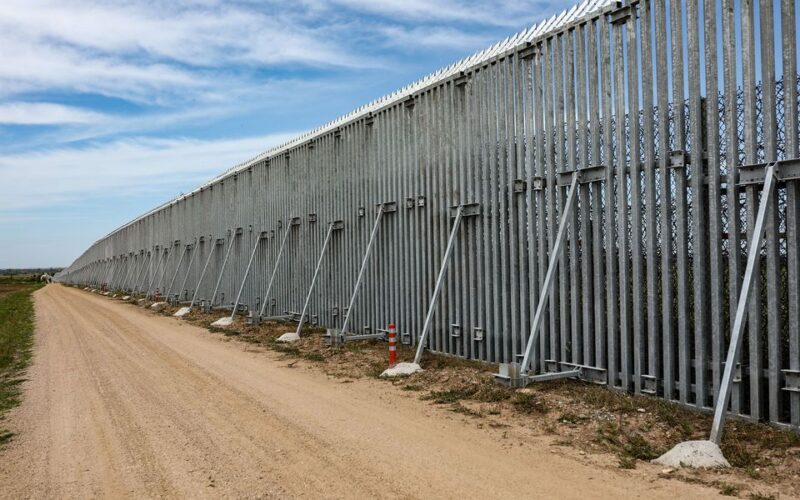
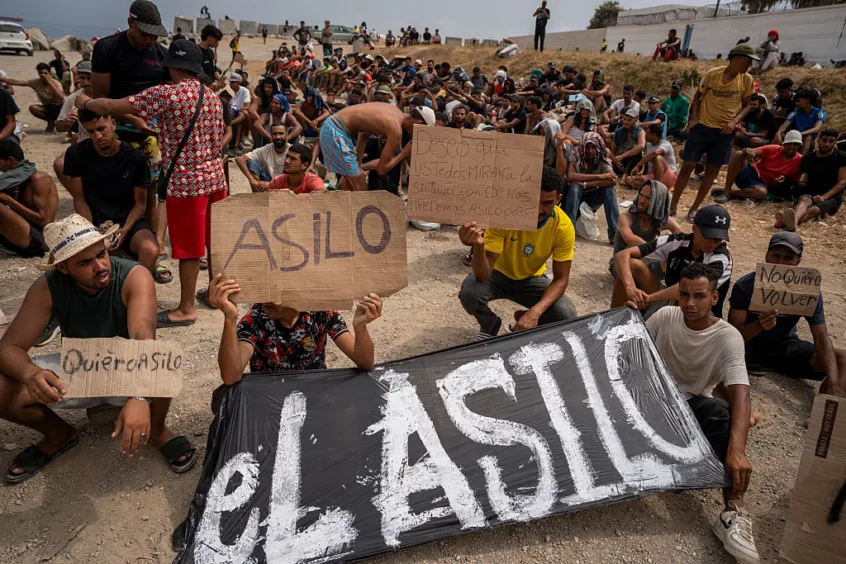
According to Spain’s interior ministry, some 72,000 people crossed into Ceuta on July 30 and 31 in the largest influx ever recorded at the EU’s only land border with Africa. Morocco has given a lower estimate of approximately 40,000.

Most of those who entered returned within days. Spanish authorities have confirmed 72 deaths, while Morocco has reported 11 more, including 10 drownings. The NGO Caminando Fronteras has counted 141 fatalities.

The Ceuta government said on August 5 that it was caring for approximately 1,100 unaccompanied minors, far exceeding the statutory figure of 90 for the city under the mechanism that covers migratory contingencies. Ceuta has been formally in that category since August 2025.

Spain’s youth ministry registered 1,342 children two days later, and NGOs working in the exclave say the real figure is higher. The local administration has added 664 places and two schools have been handed over for temporary use.

Madrid’s Internal Conflict

Minister for Youth and Children Sira Rego said on August 7 that the first transfers to the mainland would begin within weeks. She was relying on a 2025 reform of article 35 of the immigration law, which obliges the State to redistribute children from territories whose reception systems are overwhelmed.

The procedure gives the sending region 10 days to notify a transfer proposal to the rest and five more to move the child. Rego has also announced €25 million in extraordinary funding and sent a permanent technical team to Ceuta on August 16.

However, the Supreme Court has already ruled against expedited returns. In January 2024, it found that the return of a group of unaccompanied children from Ceuta to Morocco in August 2021, following the mass crossings of that May, had been unlawful.

The court did not ban returns to Morocco outright. It held that each case required an individual administrative file, a hearing for the child, and an assessment of his or her circumstances, and that the 2007 bilateral agreement with Rabat on unaccompanied minors could not alone justify removal.

Judges described the operation as a collective expulsion, which the European Convention on Human Rights prohibits.

With information from Brussels Signal

Share:
Dimitris Papafotis
Dimitris Papafotis

Dimitris Papafotis is the editor-in-chief of NewsFire.GR. He was born and raised in Athens. He studied at the Journalism Workshop (1991-1993). He currently lives in Pyrgos, Ilia, where he has been active in radio and various newspapers, while also maintaining his personal blog, Papafotis.gr.

Recent News

Commission home affairs spokesman Markus Lammert told reporters in Brussels on August 18 that the expectation remained clear: everyone illegally present in Ceuta should be returned to Morocco, regardless of age.

When pressed on whether that policy extended to minors, despite the additional protections European Union law typically affords children, Lammert confirmed that EU law regulated the matter. He pointed to the Return Regulation agreed in June, which establishes provisions for removing irregular migrants, and stated that children were also covered by those rules.

Spanish and Moroccan authorities are expected to coordinate the returns, Lammert said, adding that Brussels had offered to facilitate and support the process after Morocco signaled its willingness to take back all unaccompanied minors.

However, Rabat has attached conditions to its cooperation. A Moroccan diplomatic source told EFE on August 6 that the kingdom would receive every Moroccan child currently in Spain only if Madrid removed what Morocco views as judicial and administrative obstacles blocking such returns.

The Commission has demanded swift action since the crisis began. European Commission President Ursula von der Leyen declared on July 31 that those entering illegally must be sent back without delay, insisting that EU rules allowed for rapid returns.

Lammert welcomed statements from the Spanish Government that no one staying illegally in Ceuta would be transferred to the Iberian peninsula. He also praised Madrid’s announcement that it would expand reception capacity to address the humanitarian situation.

The Return Regulation, which replaces the 2008 Return Directive, was agreed by negotiators on June 1 before the European Parliament approved it on June 17 by 418 votes to 218. While it bars the transfer of unaccompanied minors to return hubs in third countries, it does not prevent their removal to a country of origin.

Mass Border Breach

According to Spain’s interior ministry, some 72,000 people crossed into Ceuta on July 30 and 31 in the largest influx ever recorded at the EU’s only land border with Africa. Morocco has given a lower estimate of approximately 40,000.

Most of those who entered returned within days. Spanish authorities have confirmed 72 deaths, while Morocco has reported 11 more, including 10 drownings. The NGO Caminando Fronteras has counted 141 fatalities.

The Ceuta government said on August 5 that it was caring for approximately 1,100 unaccompanied minors, far exceeding the statutory figure of 90 for the city under the mechanism that covers migratory contingencies. Ceuta has been formally in that category since August 2025.

Spain’s youth ministry registered 1,342 children two days later, and NGOs working in the exclave say the real figure is higher. The local administration has added 664 places and two schools have been handed over for temporary use.

Madrid’s Internal Conflict

Minister for Youth and Children Sira Rego said on August 7 that the first transfers to the mainland would begin within weeks. She was relying on a 2025 reform of article 35 of the immigration law, which obliges the State to redistribute children from territories whose reception systems are overwhelmed.

The procedure gives the sending region 10 days to notify a transfer proposal to the rest and five more to move the child. Rego has also announced €25 million in extraordinary funding and sent a permanent technical team to Ceuta on August 16.

However, the Supreme Court has already ruled against expedited returns. In January 2024, it found that the return of a group of unaccompanied children from Ceuta to Morocco in August 2021, following the mass crossings of that May, had been unlawful.

The court did not ban returns to Morocco outright. It held that each case required an individual administrative file, a hearing for the child, and an assessment of his or her circumstances, and that the 2007 bilateral agreement with Rabat on unaccompanied minors could not alone justify removal.

Judges described the operation as a collective expulsion, which the European Convention on Human Rights prohibits.

With information from Brussels Signal