
Swiss Voters Reject Migration Limit in Referendum
Swiss voters rejected a proposal to cap the nation's population at ten million by 2050, with 55 percent opposing the migration-limiting measure backed by the right-conservative Swiss People's Party.
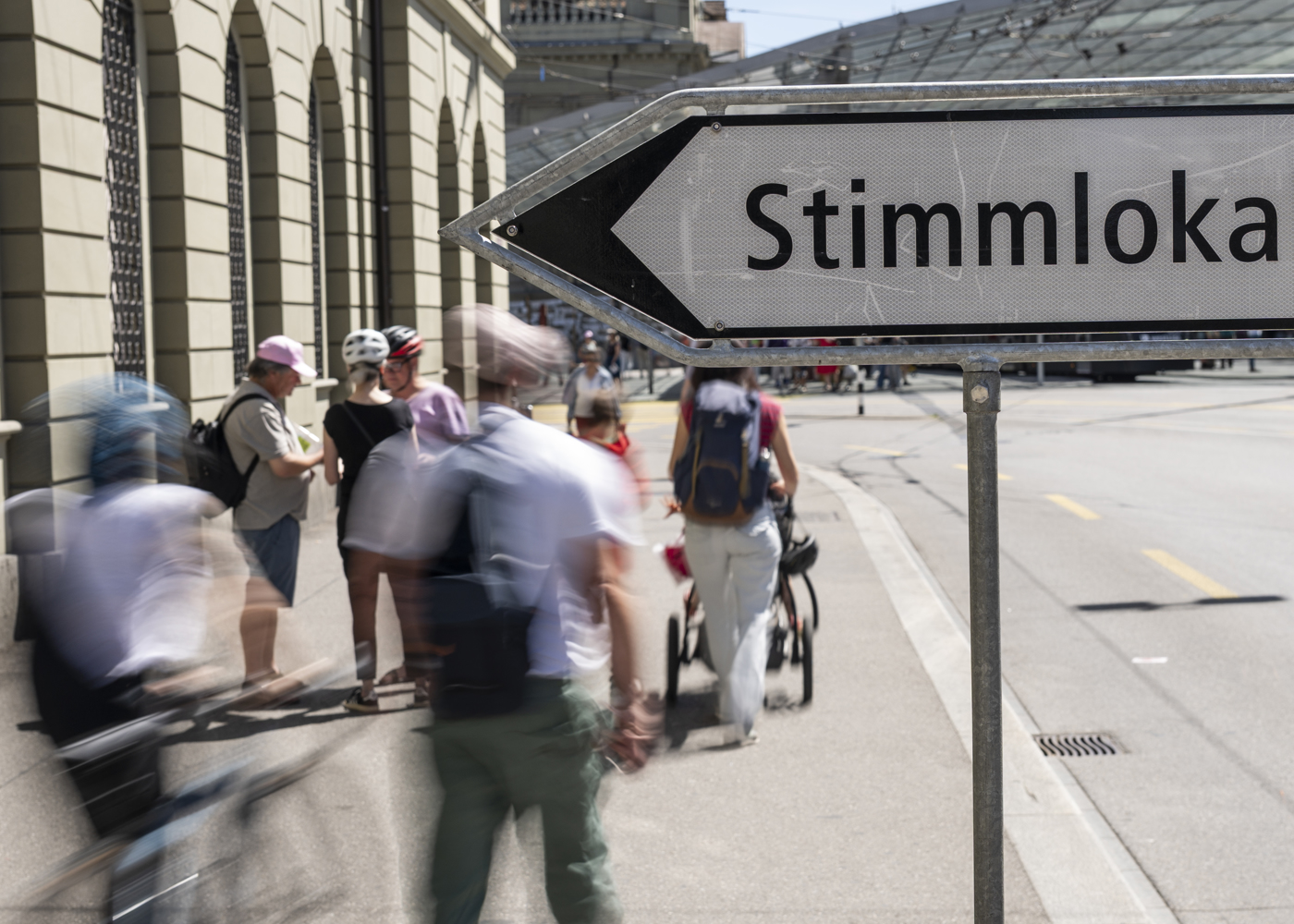

According to Nius, initial polling data indicates that 55 percent voted against the initiative, with only 45 percent in favor. Lukas Golder from polling institute gfs.bern announced the projections on Swiss television SRF.
The referendum was spearheaded by the right-conservative Swiss People’s Party (SVP), which sought to impose strict demographic controls as the country approaches what they considered unsustainable population levels. Switzerland currently has 9.1 million inhabitants.
Migration Controls Disguised as Environmental Measure
Under the proposed initiative, restrictions would have been implemented in stages as the population neared the ten million threshold. The measures would have first targeted asylum seekers and family reunification permits, with free movement rights for EU citizens facing potential curtailment as a final step.
After several failed attempts to advance anti-migration proposals, the SVP repackaged this effort under the banner of a “sustainability initiative.” The party framed the measure as one designed to preserve natural resources, protect undeveloped landscapes, reduce traffic congestion, ease overcrowding on public transportation, and lower crime rates.
Despite the environmental rhetoric, the SVP made no secret that migration control remained the core objective of the initiative. The party’s transparent acknowledgment of its true aims apparently failed to persuade Swiss voters, who rejected the population cap by a ten-point margin.
Conservative Party Faces Setback
The defeat marks another setback for the SVP’s efforts to impose hard caps on Switzerland’s growing population through direct democracy. The party has repeatedly attempted to use Switzerland’s referendum system to enact stricter migration policies, but voters have consistently declined to support such measures when presented with concrete proposals.
The rejection suggests that while concerns about immigration and population growth resonate with portions of the Swiss electorate, a majority remains unwilling to implement rigid demographic controls that could affect the country’s economic relationships and treaty obligations with the European Union.
With information from Nius





