Necessary Cookies

Required for the site to function. Cannot be disabled.

Analytics Cookies

Help us understand how visitors interact with our site (Google Analytics via GTM).

Marketing Cookies

Used to track visitors and deliver personalised advertisements.

We use cookies to enhance your browsing experience and analyse site traffic. By clicking Accept All, you consent to our use of cookies. Privacy Policy
NewsFire Global
Home News Europe World Christianity Culture Wars Opinion Video
Information
About Us Authors Advertising Terms & Conditions Privacy Policy Contact
R2B Media
R2B NEWSFIRE.GR PAPAFOTIS.GR THRACTION HELLENIC CONSERVATIVES RIGHT2THEBONE YT
News Europe

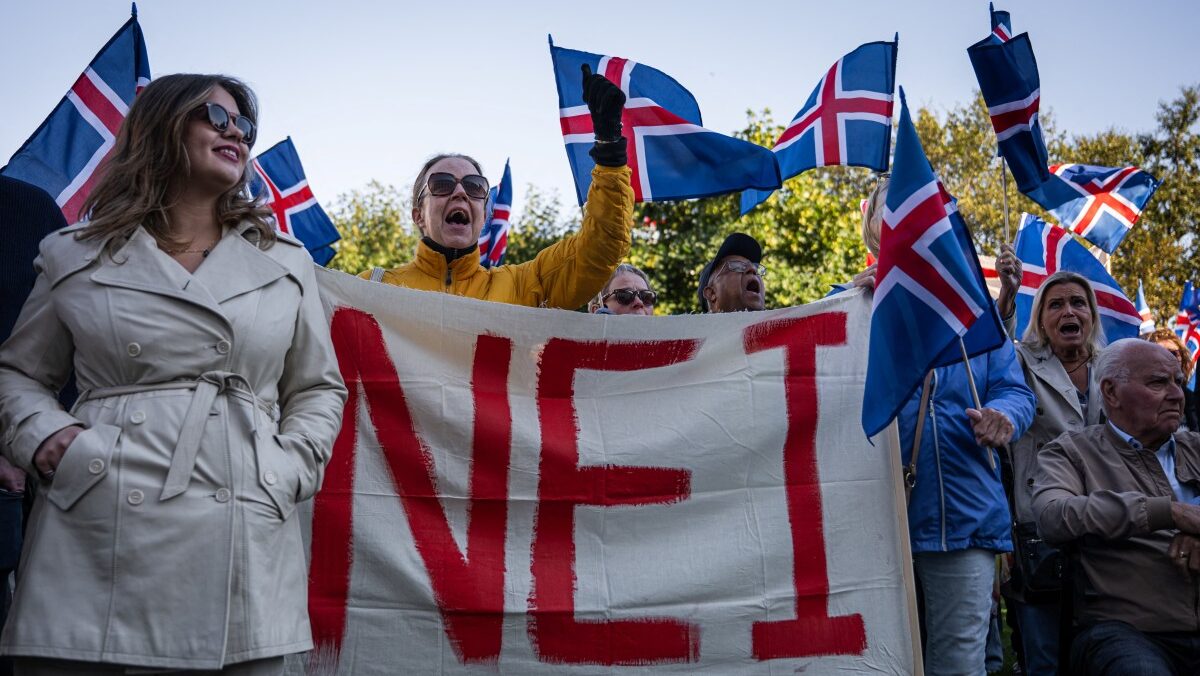
Iceland Votes on EU Future as Fishing Rights Hang in Balance

Icelandic voters will decide Saturday whether to resume EU accession talks suspended in 2013, with negotiations taking up to two years before a second referendum on actual membership.

Dimitris Papafotis
Dimitris Papafotis Editor in Chief
AUGUST 28, 2026 AT 11:03 PM

The August 29th ballot will not directly determine EU membership, but rather whether Reykjavik should resume negotiations that were suspended in 2013, according to The European Conservative. If citizens vote in favour, the Icelandic government estimates the accession process would require between 18 and 24 months to complete.

Any final agreement reached with Brussels would then need approval through a second referendum before Iceland could formally join the bloc as a member state.

A Second Chance at EU Membership

The referendum represents a significant moment for Iceland, which had previously applied for EU membership but stepped back from the process during a period of deep scepticism about European integration. The country’s relationship with the continent has remained through its participation in the European Economic Area, which grants access to the single market without full political union.

Saturday’s vote will determine whether Icelanders are ready to reconsider that arrangement and potentially pursue full membership in the European Union, complete with all the obligations and integration requirements that entails.

Timeline and Next Steps

Should the “Yes” campaign prevail, the government has outlined a timeline stretching up to two years for negotiating terms of accession with European institutions. The process would involve aligning Icelandic law and regulations with EU standards across numerous policy areas, from fisheries to financial services.

The final say would rest with Icelandic voters once again, who would need to approve any negotiated membership package before their country could take its seat among EU member states.

With information from The European Conservative

Share:
Dimitris Papafotis
Dimitris Papafotis

Dimitris Papafotis is the editor-in-chief of NewsFire.GR. He was born and raised in Athens. He studied at the Journalism Workshop (1991-1993). He currently lives in Pyrgos, Ilia, where he has been active in radio and various newspapers, while also maintaining his personal blog, Papafotis.gr.

The August 29th ballot will not directly determine EU membership, but rather whether Reykjavik should resume negotiations that were suspended in 2013, according to The European Conservative. If citizens vote in favour, the Icelandic government estimates the accession process would require between 18 and 24 months to complete.

Any final agreement reached with Brussels would then need approval through a second referendum before Iceland could formally join the bloc as a member state.

A Second Chance at EU Membership

The referendum represents a significant moment for Iceland, which had previously applied for EU membership but stepped back from the process during a period of deep scepticism about European integration. The country’s relationship with the continent has remained through its participation in the European Economic Area, which grants access to the single market without full political union.

Saturday’s vote will determine whether Icelanders are ready to reconsider that arrangement and potentially pursue full membership in the European Union, complete with all the obligations and integration requirements that entails.

Timeline and Next Steps

Should the “Yes” campaign prevail, the government has outlined a timeline stretching up to two years for negotiating terms of accession with European institutions. The process would involve aligning Icelandic law and regulations with EU standards across numerous policy areas, from fisheries to financial services.

The final say would rest with Icelandic voters once again, who would need to approve any negotiated membership package before their country could take its seat among EU member states.

With information from The European Conservative

