Necessary Cookies

Required for the site to function. Cannot be disabled.

Analytics Cookies

Help us understand how visitors interact with our site (Google Analytics via GTM).

Marketing Cookies

Used to track visitors and deliver personalised advertisements.

We use cookies to enhance your browsing experience and analyse site traffic. By clicking Accept All, you consent to our use of cookies. Privacy Policy
NewsFire Global
Home News Europe World Christianity Culture Wars Opinion Video
Information
About Us Authors Advertising Terms & Conditions Privacy Policy Contact
R2B Media
R2B NEWSFIRE.GR PAPAFOTIS.GR THRACTION HELLENIC CONSERVATIVES RIGHT2THEBONE YT
News World

Trump’s Barrack Sells Out America to Turkish Regime

A scholar compares U.S. Ambassador to Turkey Tom Barrack's approach to the post-WWI diplomatic cover-up of the Armenian genocide, criticizing his appeasement of Erdogan and contradictory stance on Israel.
SEPTEMBER 3, 2026 AT 6:21 PM

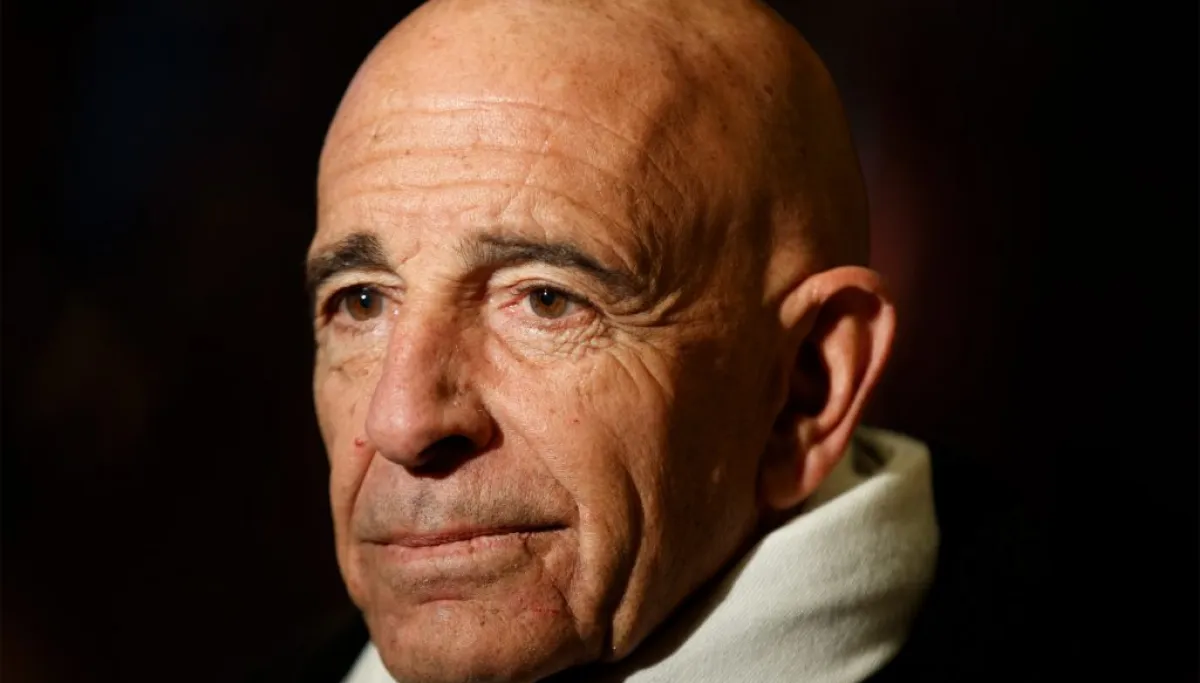
A private equity billionaire representing the United States in Turkey has adopted a pattern of appeasement that echoes one of the most shameful chapters in American diplomatic history, according to a scathing analysis by an international security scholar.

Writing in Washington Examiner, Jose Lev Alvarez—an American-Israeli scholar, veteran of both the IDF special forces and the U.S. Army, and doctoral candidate in Intelligence and Global Security—draws a direct parallel between contemporary Turkish policy and the post-First World War cover-up of the Armenian genocide.

After that conflict, Rear Admiral Mark L. Bristol led the American mission in Constantinople for nearly a decade, systematically dismissing credible accounts of the Armenian genocide as missionary exaggerations. His approach established a toxic precedent at the State Department: prioritize commercial ties with Ankara, and human rights violations will resolve themselves.

Tom Barrack has revived that doctrine for the neo-Ottoman court of Recep Tayyip Erdogan, Alvarez contends. The billionaire presented his credentials on May 14, 2025, following a 60-36 Senate confirmation vote. He rapidly consolidated unprecedented authority, seizing concurrent roles as presidential envoy for both Syria and Iraq—leaving a single private equity financier to speak for Washington across three volatile capitals.

From Antalya to Outright Contradiction

Barrack’s record on Israel demonstrates what Alvarez characterizes as dangerous appeasement. At the Antalya Diplomacy Forum, the ambassador declared Israel and Hezbollah equally untrustworthy, advocated for engagement with Hezbollah that avoids combat operations against the terrorist organization, and cautioned Jerusalem against excluding Turkey from Gaza. He reduced Zionism to a definitional question and suggested Israel could merely claim democratic status.

By August 2026, his rhetoric had completely collapsed. In an interview with Mario Nawfal, Barrack asserted that Israel still occupies the Golan Heights in violation of UN resolutions—directly contradicting standing U.S. policy—while publicly accusing the Jewish state of provoking Turkey through strikes on a Syrian airbase. Despite hasty attempts to retract the remarks following bipartisan condemnation, the damage proved irreversible. Allied officials now privately refer to Washington’s top representative in the Turkish capital using just two words: Erdogan’s man.

Colony Capital and Conflict of Interest

The ambassador’s financial entanglements compound the policy concerns. Barrack’s Colony Capital secured substantial gains on Turkish investments while raising $1.5 billion from Gulf sources. Ethics officials have flagged heightened conflict risks related to his Turkey-linked assets. Although a 2022 acquittal on charges of acting as an unregistered foreign agent closed the legal matter, the financial incentives persist.

His regional portfolio reflects consistent pro-Turkey advocacy. Barrack dismisses neo-Ottoman expansionism as nonsense and demands Turkey’s restoration to the F-35 fighter program despite Ankara’s acquisition of Russian S-400 systems. He facilitated the betrayal of the Syrian Democratic Forces and the lifting of Syria sanctions.

Constantinople as Terrorist Planning Hub

The strategic threat is concrete. Erdogan treats Incirlik Air Base and its American nuclear gravity bombs as leverage. Israeli intelligence has identified five Hamas operatives directing West Bank attacks from Constantinople—transforming a NATO capital into an active planning node for designated terrorists. Greece, Cyprus, and Israel have concluded that American security guarantees are contingent, leaving the Eastern Mediterranean vulnerable to becoming a Turkish sphere with Washington’s tacit approval.

Congressional Action Required

Alvarez outlines specific legislative remedies. Congress must immediately prohibit the dual-hatted arrangement, ensuring the ambassador to Turkey cannot simultaneously hold the Syria or Iraq envoy portfolios. The U.S. ambassador to Israel should be required to countersign any directive affecting Israeli national security. Lawmakers should strengthen the Arms Export Control Act with a strict provision denying all weapons waivers to governments harboring terrorist leadership.

Most urgently, the Senate must compel the Pentagon to certify an operational plan transferring the Incirlik nuclear mission to Souda Bay in Crete and facilities in Romania. Presenting this plan in open session would eliminate the blackmail leverage Erdogan currently wields over American diplomats.

Bristol labeled his approach realism—history judged it malpractice. The same pattern has returned, Alvarez warns, and the courtier must be recalled.

With information from Washington Examiner

Share:
Eleni Papadaki-Van Der Merwe

She was born in 1986 in Johannesburg, South Africa. She is the granddaughter of an immigrant from Crete who settled in the Greek community of Johannesburg (one of the largest in Africa). She holds a bachelor’s degree in International Relations and Political Science from the University of the Witwatersrand (Wits) in Johannesburg and a master’s degree in Journalism from Rhodes University in Grahamstown. She began her career at English-language media outlets in Johannesburg, covering politics and economics, with a focus on issues related to migration and the diaspora. She moved to Athens in 2015 to “return to her roots,” initially to pursue graduate studies, and has remained there permanently. She is married to an Afrikaner; they have two children and live in the southern suburbs of Athens.

A private equity billionaire representing the United States in Turkey has adopted a pattern of appeasement that echoes one of the most shameful chapters in American diplomatic history, according to a scathing analysis by an international security scholar.

Writing in Washington Examiner, Jose Lev Alvarez—an American-Israeli scholar, veteran of both the IDF special forces and the U.S. Army, and doctoral candidate in Intelligence and Global Security—draws a direct parallel between contemporary Turkish policy and the post-First World War cover-up of the Armenian genocide.

After that conflict, Rear Admiral Mark L. Bristol led the American mission in Constantinople for nearly a decade, systematically dismissing credible accounts of the Armenian genocide as missionary exaggerations. His approach established a toxic precedent at the State Department: prioritize commercial ties with Ankara, and human rights violations will resolve themselves.

Tom Barrack has revived that doctrine for the neo-Ottoman court of Recep Tayyip Erdogan, Alvarez contends. The billionaire presented his credentials on May 14, 2025, following a 60-36 Senate confirmation vote. He rapidly consolidated unprecedented authority, seizing concurrent roles as presidential envoy for both Syria and Iraq—leaving a single private equity financier to speak for Washington across three volatile capitals.

From Antalya to Outright Contradiction

Barrack’s record on Israel demonstrates what Alvarez characterizes as dangerous appeasement. At the Antalya Diplomacy Forum, the ambassador declared Israel and Hezbollah equally untrustworthy, advocated for engagement with Hezbollah that avoids combat operations against the terrorist organization, and cautioned Jerusalem against excluding Turkey from Gaza. He reduced Zionism to a definitional question and suggested Israel could merely claim democratic status.

By August 2026, his rhetoric had completely collapsed. In an interview with Mario Nawfal, Barrack asserted that Israel still occupies the Golan Heights in violation of UN resolutions—directly contradicting standing U.S. policy—while publicly accusing the Jewish state of provoking Turkey through strikes on a Syrian airbase. Despite hasty attempts to retract the remarks following bipartisan condemnation, the damage proved irreversible. Allied officials now privately refer to Washington’s top representative in the Turkish capital using just two words: Erdogan’s man.

Colony Capital and Conflict of Interest

The ambassador’s financial entanglements compound the policy concerns. Barrack’s Colony Capital secured substantial gains on Turkish investments while raising $1.5 billion from Gulf sources. Ethics officials have flagged heightened conflict risks related to his Turkey-linked assets. Although a 2022 acquittal on charges of acting as an unregistered foreign agent closed the legal matter, the financial incentives persist.

His regional portfolio reflects consistent pro-Turkey advocacy. Barrack dismisses neo-Ottoman expansionism as nonsense and demands Turkey’s restoration to the F-35 fighter program despite Ankara’s acquisition of Russian S-400 systems. He facilitated the betrayal of the Syrian Democratic Forces and the lifting of Syria sanctions.

Constantinople as Terrorist Planning Hub

The strategic threat is concrete. Erdogan treats Incirlik Air Base and its American nuclear gravity bombs as leverage. Israeli intelligence has identified five Hamas operatives directing West Bank attacks from Constantinople—transforming a NATO capital into an active planning node for designated terrorists. Greece, Cyprus, and Israel have concluded that American security guarantees are contingent, leaving the Eastern Mediterranean vulnerable to becoming a Turkish sphere with Washington’s tacit approval.

Congressional Action Required

Alvarez outlines specific legislative remedies. Congress must immediately prohibit the dual-hatted arrangement, ensuring the ambassador to Turkey cannot simultaneously hold the Syria or Iraq envoy portfolios. The U.S. ambassador to Israel should be required to countersign any directive affecting Israeli national security. Lawmakers should strengthen the Arms Export Control Act with a strict provision denying all weapons waivers to governments harboring terrorist leadership.

Most urgently, the Senate must compel the Pentagon to certify an operational plan transferring the Incirlik nuclear mission to Souda Bay in Crete and facilities in Romania. Presenting this plan in open session would eliminate the blackmail leverage Erdogan currently wields over American diplomats.

Bristol labeled his approach realism—history judged it malpractice. The same pattern has returned, Alvarez warns, and the courtier must be recalled.

With information from Washington Examiner