Necessary Cookies

Required for the site to function. Cannot be disabled.

Analytics Cookies

Help us understand how visitors interact with our site (Google Analytics via GTM).

Marketing Cookies

Used to track visitors and deliver personalised advertisements.

We use cookies to enhance your browsing experience and analyse site traffic. By clicking Accept All, you consent to our use of cookies. Privacy Policy
NewsFire Global
Home News Europe World Christianity Culture Wars Opinion Video
Information
About Us Authors Advertising Terms & Conditions Privacy Policy Contact
R2B Media
R2B NEWSFIRE.GR PAPAFOTIS.GR THRACTION HELLENIC CONSERVATIVES RIGHT2THEBONE YT
News World

US Launches First Iran Strikes in Weeks as Regime Vows Revenge

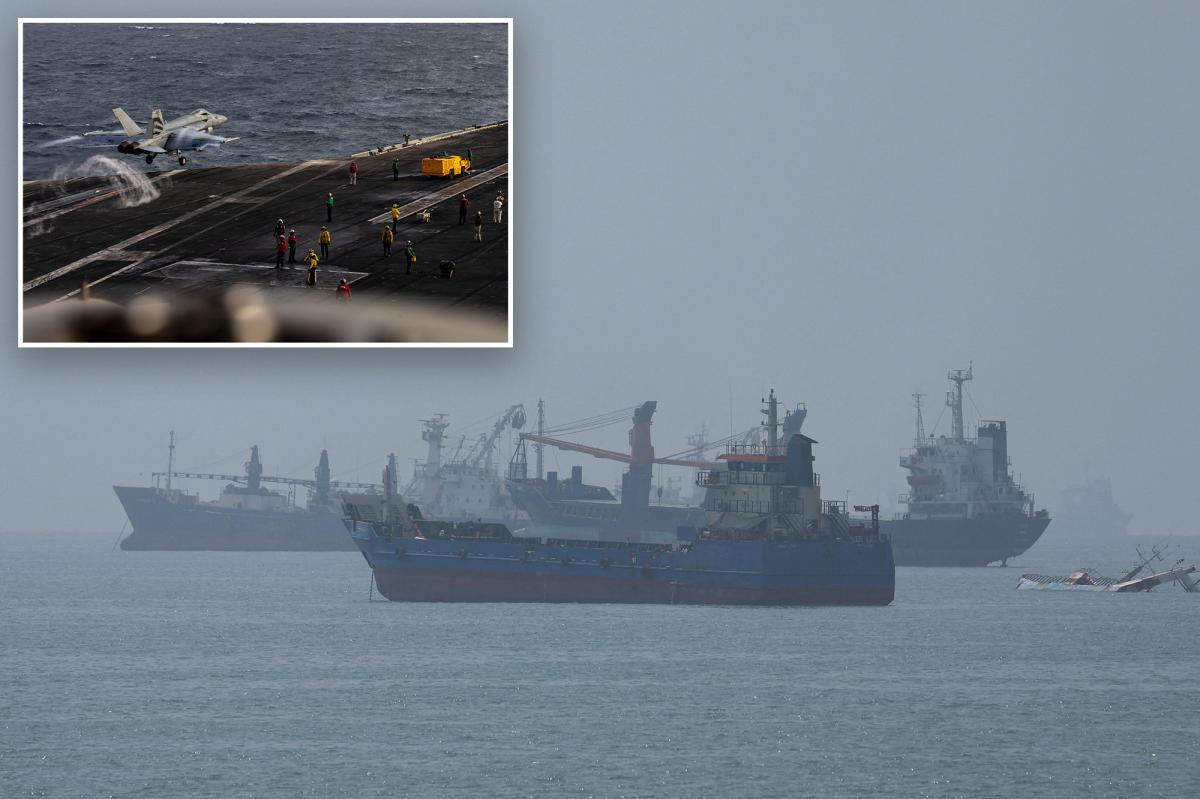
U.S. forces struck Iranian Revolutionary Guard positions on Larak Island to prevent underwater mine deployment in the strategically vital Strait of Hormuz, resulting in multiple casualties.

AUGUST 31, 2026 AT 12:17 AM

The Sunday strike targeted Iranian Islamic Revolutionary Guard Corps personnel who were reportedly preparing to deploy a fresh series of underwater mines in the strait, according to Ronny Reyes writing in New York Post. The narrow waterway serves as a critical chokepoint for global energy shipments.

Iran’s Revolutionary Guard confirmed the American attack resulted in multiple casualties, with several personnel killed and wounded, though the regime declined to release specific figures or additional operational details about the incident.

Tehran Threatens Retaliation

Iranian officials have pledged to exact revenge for the strike, continuing a pattern of escalating rhetoric between Washington and Tehran. The Islamic Revolutionary Guard Corps has frequently threatened Western interests in the region following military confrontations.

The Strait of Hormuz represents one of the world’s most important maritime corridors, with roughly one-fifth of global oil consumption passing through its waters. Iranian attempts to mine the waterway would pose severe risks to international shipping and energy markets.

This represents the first American offensive action against Iranian forces in recent weeks, suggesting a potential shift in the regional security dynamic as Washington confronts Tehran’s continued aggressive posturing in international waters.

With information from New York Post

Share:
Eleni Papadaki-Van Der Merwe

She was born in 1986 in Johannesburg, South Africa. She is the granddaughter of an immigrant from Crete who settled in the Greek community of Johannesburg (one of the largest in Africa). She holds a bachelor’s degree in International Relations and Political Science from the University of the Witwatersrand (Wits) in Johannesburg and a master’s degree in Journalism from Rhodes University in Grahamstown. She began her career at English-language media outlets in Johannesburg, covering politics and economics, with a focus on issues related to migration and the diaspora. She moved to Athens in 2015 to “return to her roots,” initially to pursue graduate studies, and has remained there permanently. She is married to an Afrikaner; they have two children and live in the southern suburbs of Athens.

The Sunday strike targeted Iranian Islamic Revolutionary Guard Corps personnel who were reportedly preparing to deploy a fresh series of underwater mines in the strait, according to Ronny Reyes writing in New York Post. The narrow waterway serves as a critical chokepoint for global energy shipments.

Iran’s Revolutionary Guard confirmed the American attack resulted in multiple casualties, with several personnel killed and wounded, though the regime declined to release specific figures or additional operational details about the incident.

Tehran Threatens Retaliation

Iranian officials have pledged to exact revenge for the strike, continuing a pattern of escalating rhetoric between Washington and Tehran. The Islamic Revolutionary Guard Corps has frequently threatened Western interests in the region following military confrontations.

The Strait of Hormuz represents one of the world’s most important maritime corridors, with roughly one-fifth of global oil consumption passing through its waters. Iranian attempts to mine the waterway would pose severe risks to international shipping and energy markets.

This represents the first American offensive action against Iranian forces in recent weeks, suggesting a potential shift in the regional security dynamic as Washington confronts Tehran’s continued aggressive posturing in international waters.

With information from New York Post