Necessary Cookies

Required for the site to function. Cannot be disabled.

Analytics Cookies

Help us understand how visitors interact with our site (Google Analytics via GTM).

Marketing Cookies

Used to track visitors and deliver personalised advertisements.

We use cookies to enhance your browsing experience and analyse site traffic. By clicking Accept All, you consent to our use of cookies. Privacy Policy
NewsFire Global
Home News Europe World Christianity Culture Wars Opinion Video
Information
About Us Authors Advertising Terms & Conditions Privacy Policy Contact
R2B Media
R2B NEWSFIRE.GR PAPAFOTIS.GR THRACTION HELLENIC CONSERVATIVES RIGHT2THEBONE YT
News World

Trump Trusts Treasury to End War Diplomacy Cannot Solve

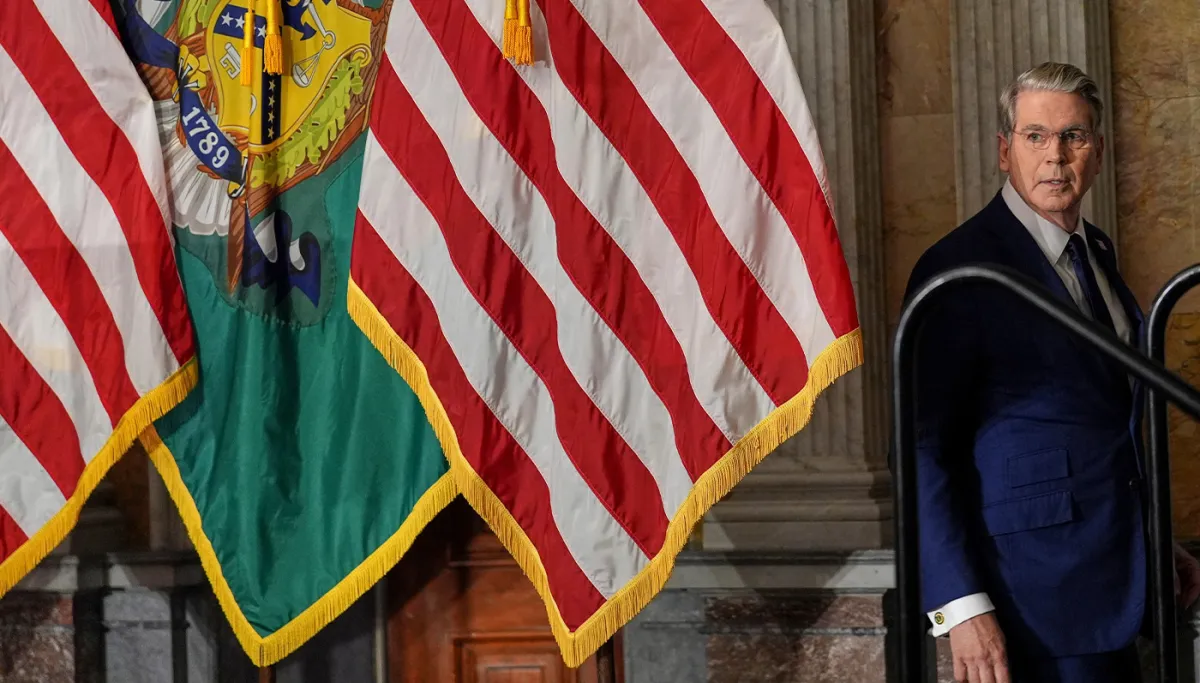
The Trump administration imposed sweeping secondary sanctions forcing nations to choose between trading with Iran or accessing U.S. markets, targeting China's oil imports primarily.

AUGUST 29, 2026 AT 4:10 PM

As Tiana Lowe Doescher argues in Washington Examiner, the strategy represents a dramatic escalation in economic warfare against the Islamic Republic. While the Pentagon has paused direct military operations against Iran, this new financial offensive opens a global front by forcing America’s allies and trading partners to choose between doing business with Tehran or maintaining access to the U.S. financial system.

The approach may seem straightforward, yet observers wonder why it hasn’t been implemented sooner. The answer lies in the extraordinary demands this operation—dubbed Economic Outcast—will place on international relationships if enforced as stringently as Treasury officials promise.

China Tops the Target List

The primary focus of the sanctions regime is China. Before Operation Epic Fury, Beijing imported approximately 1.5 million barrels of Iranian oil daily, representing roughly 90% of the regime’s total oil exports. Even with Iran’s supply chains forced overland, the Chinese Communist Party continued importing 823,000 barrels per day in July, according to data analytics platform Kpler.

Bessent’s operation strikes directly at China’s oil arbitrage system, which purchases Iranian crude at steep discounts and funnels it to Shandong province’s teapot refineries.

Turkey and Iraq Face Pressure

Turkey emerges as another significant target. Despite its nominal NATO membership, Ankara has imported 13% of its natural gas from Iran over recent years. Meanwhile, Iraq has maintained $12 billion in annual trade with its neighbor.

The United Arab Emirates, historically among Iran’s top trading partners, has suspended economic ties with the regime. However, adversaries like Russia continue billion-dollar annual trade relationships with Tehran.

European Union Hypocrisy Exposed

Perhaps most troubling is the European Union’s continued engagement with Iran. The bloc, which has persisted in purchasing Russian oil even as Washington funds Ukraine’s defense, still conducted billions in trade with Iran last year.
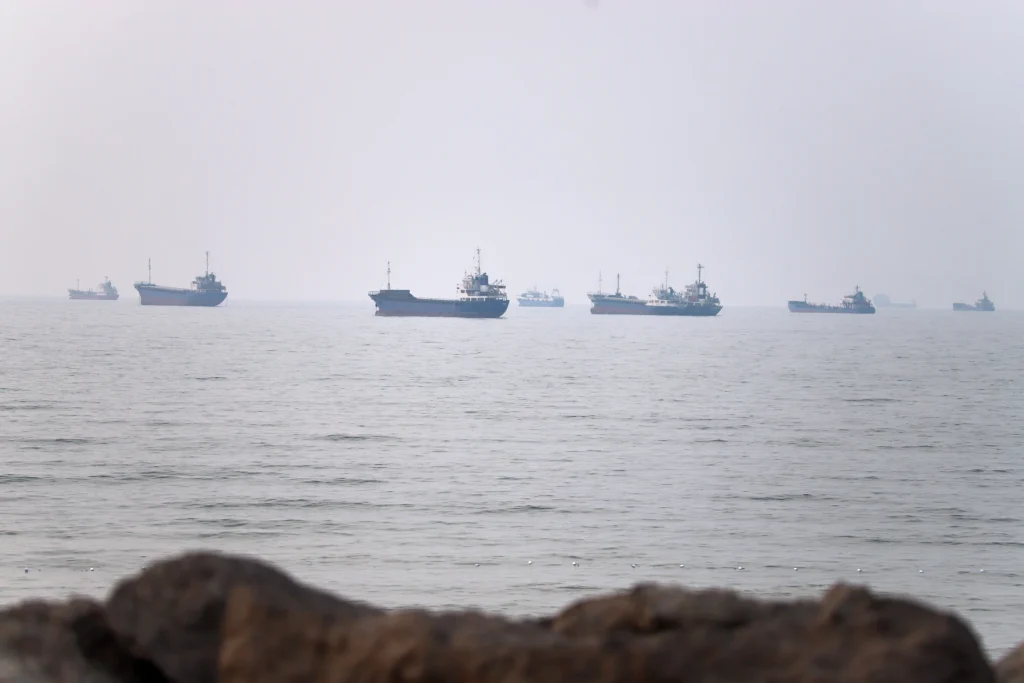
The ultimatum is stark: financial institutions worldwide must choose between trading with Iran or accessing the American banking system. The implications are potentially transformative.

NATO Allies Harbor Iranian Banks

The contradictions are evident in cases like Bank Saderat Iran. Despite Treasury Department sanctions spanning two decades and terrorism designation for nearly 19 years, the bank maintains branches in Paris, Venice, and London.

While Taliban-controlled Afghanistan hosting Bank Saderat branches in Kabul may be expected, the presence of Iranian banking operations in NATO capitals represents a glaring inconsistency.

The operation now demands France and Italy close their Bank Saderat branches or face secondary sanctions against any entity enabling the bank’s operations, including French financial institutions, corporations, and clearing houses.

Enforcement Timeline and Compliance

Treasury sources indicate that while foreign governments themselves won’t face direct sanctions, the White House expects full compliance and intelligence sharing to ensure zero leakage of funds to Tehran.

The critical unknown is what happens after Bessent’s “cure period” expires and enforcement begins. European allies and Gulf partners will likely fall in line—the United Kingdom, Japan, and Bahrain have already voiced support. Germany has revoked Saderat’s banking licenses as part of resumed snapback sanctions following President Trump’s termination of the Joint Comprehensive Plan of Action in 2025.

The China Question

Beijing presents the greatest challenge. The Chinese Communist Party has officially rejected the sanctions as illegitimate. Given China’s current economic troubles, Beijing has limited fiscal room to abandon its primary remaining source of discounted oil.

Yet if the administration enforces these measures as aggressively as promised, it could economically suffocate Iran without firing additional shots. The timeline remains fluid, with individual country deadlines varying, but Treasury officials should begin announcing enforcement actions this month, with negotiations intensifying at Miami’s Group of 20 meeting later this year.

With information from Washington Examiner

Share:
Eleni Papadaki-Van Der Merwe

She was born in 1986 in Johannesburg, South Africa. She is the granddaughter of an immigrant from Crete who settled in the Greek community of Johannesburg (one of the largest in Africa). She holds a bachelor’s degree in International Relations and Political Science from the University of the Witwatersrand (Wits) in Johannesburg and a master’s degree in Journalism from Rhodes University in Grahamstown. She began her career at English-language media outlets in Johannesburg, covering politics and economics, with a focus on issues related to migration and the diaspora. She moved to Athens in 2015 to “return to her roots,” initially to pursue graduate studies, and has remained there permanently. She is married to an Afrikaner; they have two children and live in the southern suburbs of Athens.

As Tiana Lowe Doescher argues in Washington Examiner, the strategy represents a dramatic escalation in economic warfare against the Islamic Republic. While the Pentagon has paused direct military operations against Iran, this new financial offensive opens a global front by forcing America’s allies and trading partners to choose between doing business with Tehran or maintaining access to the U.S. financial system.

The approach may seem straightforward, yet observers wonder why it hasn’t been implemented sooner. The answer lies in the extraordinary demands this operation—dubbed Economic Outcast—will place on international relationships if enforced as stringently as Treasury officials promise.

China Tops the Target List

The primary focus of the sanctions regime is China. Before Operation Epic Fury, Beijing imported approximately 1.5 million barrels of Iranian oil daily, representing roughly 90% of the regime’s total oil exports. Even with Iran’s supply chains forced overland, the Chinese Communist Party continued importing 823,000 barrels per day in July, according to data analytics platform Kpler.

Bessent’s operation strikes directly at China’s oil arbitrage system, which purchases Iranian crude at steep discounts and funnels it to Shandong province’s teapot refineries.

Turkey and Iraq Face Pressure

Turkey emerges as another significant target. Despite its nominal NATO membership, Ankara has imported 13% of its natural gas from Iran over recent years. Meanwhile, Iraq has maintained $12 billion in annual trade with its neighbor.

The United Arab Emirates, historically among Iran’s top trading partners, has suspended economic ties with the regime. However, adversaries like Russia continue billion-dollar annual trade relationships with Tehran.

European Union Hypocrisy Exposed

Perhaps most troubling is the European Union’s continued engagement with Iran. The bloc, which has persisted in purchasing Russian oil even as Washington funds Ukraine’s defense, still conducted billions in trade with Iran last year.

The ultimatum is stark: financial institutions worldwide must choose between trading with Iran or accessing the American banking system. The implications are potentially transformative.

NATO Allies Harbor Iranian Banks

The contradictions are evident in cases like Bank Saderat Iran. Despite Treasury Department sanctions spanning two decades and terrorism designation for nearly 19 years, the bank maintains branches in Paris, Venice, and London.

While Taliban-controlled Afghanistan hosting Bank Saderat branches in Kabul may be expected, the presence of Iranian banking operations in NATO capitals represents a glaring inconsistency.

The operation now demands France and Italy close their Bank Saderat branches or face secondary sanctions against any entity enabling the bank’s operations, including French financial institutions, corporations, and clearing houses.

Enforcement Timeline and Compliance

Treasury sources indicate that while foreign governments themselves won’t face direct sanctions, the White House expects full compliance and intelligence sharing to ensure zero leakage of funds to Tehran.

The critical unknown is what happens after Bessent’s “cure period” expires and enforcement begins. European allies and Gulf partners will likely fall in line—the United Kingdom, Japan, and Bahrain have already voiced support. Germany has revoked Saderat’s banking licenses as part of resumed snapback sanctions following President Trump’s termination of the Joint Comprehensive Plan of Action in 2025.

The China Question

Beijing presents the greatest challenge. The Chinese Communist Party has officially rejected the sanctions as illegitimate. Given China’s current economic troubles, Beijing has limited fiscal room to abandon its primary remaining source of discounted oil.

Yet if the administration enforces these measures as aggressively as promised, it could economically suffocate Iran without firing additional shots. The timeline remains fluid, with individual country deadlines varying, but Treasury officials should begin announcing enforcement actions this month, with negotiations intensifying at Miami’s Group of 20 meeting later this year.

With information from Washington Examiner