Trump and Netanyahu Discussed Military Strike on Iran
President Trump and Israeli Prime Minister Netanyahu discussed diplomatic, economic, and military options to halt Iran's nuclear program, with Trump holding final decision authority on strategy.
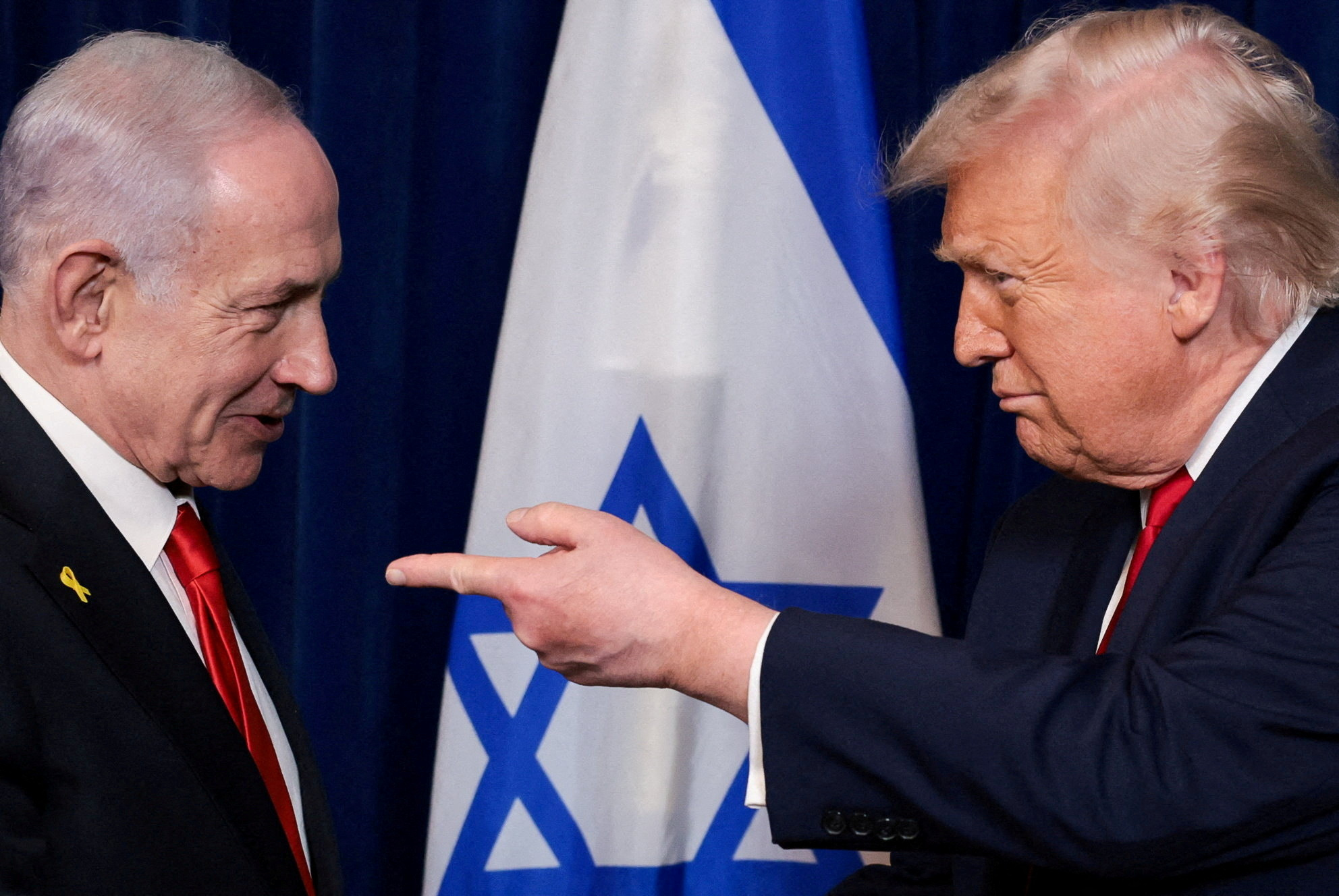

According to Cyprus Mail, the Israeli leader stopped short of explicitly advocating for renewed military action against Tehran during Tuesday’s discussions, leaving the ultimate decision in Trump’s hands. “In the end, it’s his decision,” the official stated when briefing reporters following the meeting.
The senior Israeli official outlined three primary options under consideration by the US president: negotiating a deal with Iran, maintaining and intensifying the economic blockade and pressure campaign, or executing a massive military strike. Netanyahu reportedly presented additional strategic proposals during the consultation, though specifics were not disclosed.
Pre-meeting reports had suggested tension after intelligence details concerning Pickaxe Mountain became public. The deeply buried nuclear facility has been the subject of previous Trump warnings about potential bombing operations. However, the Israeli official dismissed any suggestion of discord between the allied leaders, emphasizing the routine nature of intelligence sharing between the two nations and rejecting claims that Netanyahu pushed for military escalation.
The official was careful to characterize the relationship dynamic, describing Trump as the senior partner and Netanyahu as the junior partner in determining the alliance’s Iran strategy, while keeping diplomatic resolution as a viable option.
Economic factors weigh heavily on decision-making, with the official noting signs of unrest within Iran due to escalating inflation and mounting public discontent. Global economic implications, particularly regarding oil markets, remain a critical consideration in any strategic calculus.
Oil prices surged Wednesday in one of the sharpest increases since the February 28 commencement of joint Israeli and US aerial operations against Iran. Tehran responded to those initial strikes with attacks on Israel and Gulf nations.
While Israel sat out the most recent two-week US bombing campaign earlier this month, which triggered Iranian assaults on American military installations, Israeli officials have made clear that any future Iranian aggression will meet a forceful response.
For Israel, Iran’s nuclear program represents the paramount security threat. Jerusalem remains committed to preventing Tehran from acquiring nuclear weapons capability, while Iran continues asserting the peaceful nature of its nuclear activities.
Wednesday saw the United States and Saudi Arabia conduct strikes against Iranian-backed paramilitary forces operating in Iraq. Trump issued a characteristically blunt warning, vowing aggressive action against Iran after Iranian forces attacked US troops shortly after he temporarily suspended air operations.
Iran acknowledged overnight that it had struck US bases in Jordan and targeted vessels in the Strait of Hormuz. Tehran also rebuffed an Omani proposal for joint management of the strategically vital waterway.
With information from Cyprus Mail