Rubio: Trump Seeks ‘Head for an Eye’ Response to Iran Threats
Secretary of State Marco Rubio declared the Trump administration's Iran policy is "a head for an eye," signaling disproportionate retaliation rather than proportional response.
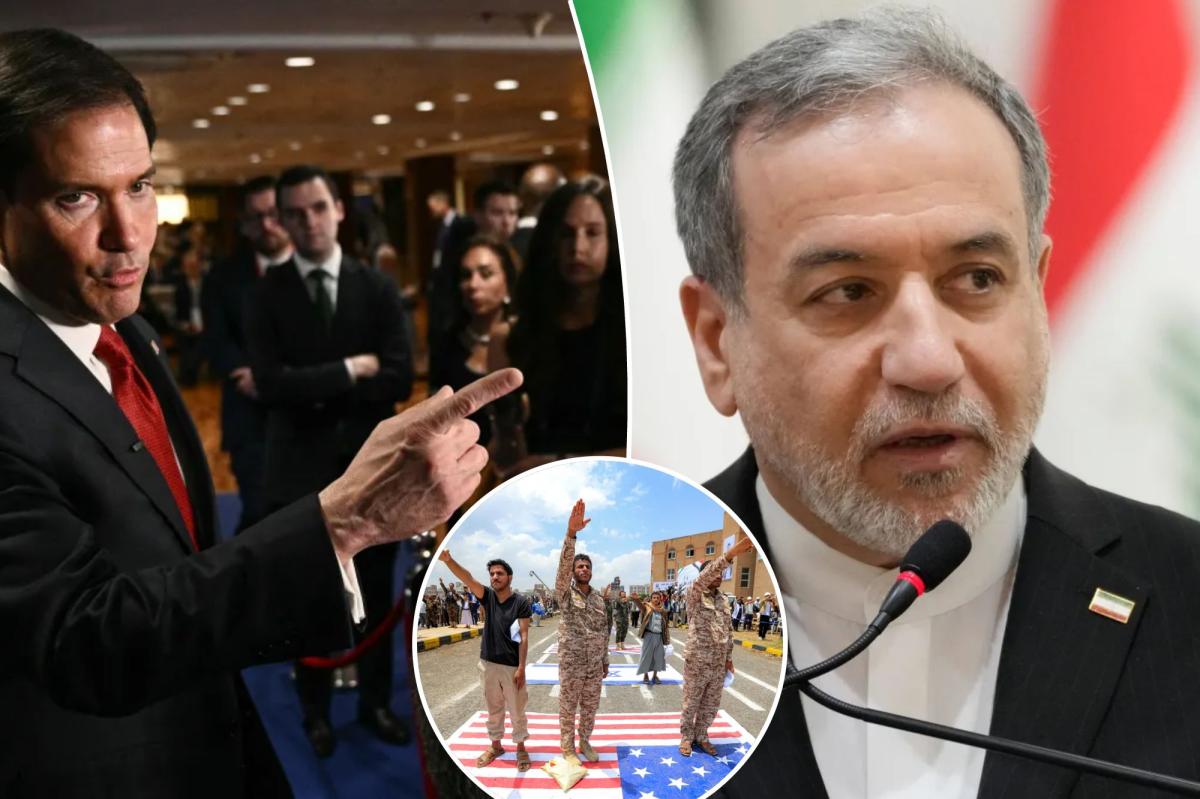

Marco Rubio made the striking comments to reporters Thursday following the Association of Southeast Asian Nations (ASEAN) meeting of foreign ministers in the Philippines, according to New York Post reporting. The secretary directly contrasted Trump’s approach with recent remarks from Iranian Foreign Minister Abbas Araghchi, who had referenced the old “eye for an eye” formula.
They will pay a very heavy price, Rubio told journalists, emphasizing the administration’s determination to impose disproportionate costs on Tehran for any aggression.
The secretary went on to detail the damage already inflicted on Iran’s military capabilities, noting that the country’s industrial base and defense infrastructure have been severely degraded through strikes targeting launchers and radar systems on a nightly basis.
Biblical References and Strategic Doctrine
The phrase “eye for an eye” originates from ancient legal codes and appears prominently in the Book of Leviticus, which prescribes reciprocal justice: injury for injury, fracture for fracture. Jesus Christ later challenged this principle in the Sermon on the Mount, advocating instead for turning the other cheek when struck.
Trump’s revised formula represents a sharp departure from both traditions, signaling that Iranian provocations will meet with massively asymmetric American responses.
Threats to Iranian Infrastructure
The administration’s hardened stance comes after the collapse of a tentative peace agreement with Iran reached last month. On Wednesday, Trump issued explicit warnings via Truth Social ahead of a ceremony receiving the remains of four fallen American servicemembers.
The president stated unequivocally that any future Iranian attack on commercial shipping in the Strait of Hormuz—whether by missile, rocket, drone, or other weapon—would trigger American strikes destroying one bridge or power plant in Iran, including facilities in or near the capital city of Tehran.
Widening Conflict in Regional Waterways
The conflict expanded Wednesday to encompass the Bab al-Mandab Strait when the Iran-backed Houthi movement, which controls northern Yemen, launched attacks on two Saudi oil tankers.
Trump responded Thursday with a declaration holding Iran accountable for actions taken by its proxies and surrogates. He warned that major military punishment would be inflicted on both Iran and the Houthis themselves for such attacks.
The escalating rhetoric underscores the administration’s willingness to strike deep inside Iranian territory and target critical civilian infrastructure in response to maritime aggression, representing one of the most aggressive American postures toward Tehran in recent years.
With information from New York Post