
Wozniak Tells Grads: You Have AI—Actual Intelligence
Steve Wozniak delivered a commencement address emphasizing the irreplaceable value of human intelligence, contrasting sharply with recent speeches by other tech leaders who faced student backlash when discussing artificial intelligence.
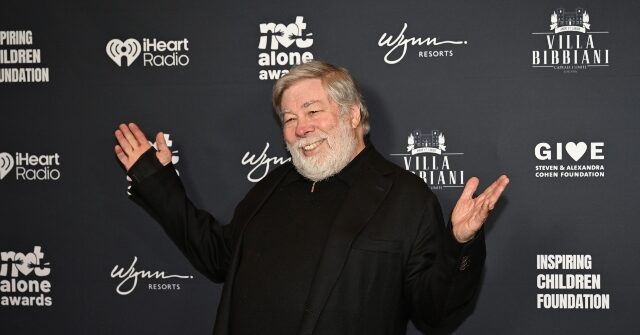

The tech pioneer’s remarks stood in sharp contrast to commencement speeches by other industry figures who faced vocal student backlash when addressing AI. Wozniak drew laughter and applause when he told the graduating class that “You have AI — actual intelligence,” underscoring the distinction between computational systems and genuine human cognition as graduates prepare to enter an increasingly automated workforce.
While acknowledging the complexity of artificial intelligence, Wozniak offered his perspective on the technology’s development and purpose. He explained that AI represents humanity’s ongoing attempt to replicate brain function through computational methods, describing it as “one of those attempts” to duplicate sophisticated routines at scale.
Wozniak also encouraged graduates to reject conformity in their professional lives, telling them: “You should always try to think different. Don’t follow the same steps as a million other people. Think, is there something I can do a little different?”
AI Backlash at Other Graduation Events
The positive reception Wozniak received contrasts sharply with recent commencement experiences. Former Google CEO Eric Schmidt and real estate executive Gloria Caulfield both encountered loud booing when discussing artificial intelligence at separate graduation ceremonies in recent weeks, with students audibly expressing their disapproval.
Music industry executive Scott Borchetta, the talent manager who discovered Taylor Swift, faced similar resistance at Middle Tennessee State University. When addressing the 10,000-seat arena, Borchetta acknowledged the transformative pace of industry change, noting that streaming and social media have fundamentally reshaped entertainment economics.
His comments about AI prompted immediate boos from the crowd. Borchetta responded with characteristic directness, telling the graduates: “Hey, like I said, you can hear me now or pay me later. Then do something about it. It’s a tool, make it work for you.”
These viral moments underscore growing generational skepticism about artificial intelligence, particularly among younger Americans entering the job market. The divergent receptions suggest that how technology leaders frame AI—whether as threat or opportunity—significantly influences graduate sentiment on the subject.
With information from Breitbart News





