Necessary Cookies

Required for the site to function. Cannot be disabled.

Analytics Cookies

Help us understand how visitors interact with our site (Google Analytics via GTM).

Marketing Cookies

Used to track visitors and deliver personalised advertisements.

We use cookies to enhance your browsing experience and analyse site traffic. By clicking Accept All, you consent to our use of cookies. Privacy Policy
NewsFire Global
Home News Europe World Christianity Culture Wars Opinion Video
Information
About Us Authors Advertising Terms & Conditions Privacy Policy Contact
R2B Media
R2B NEWSFIRE.GR PAPAFOTIS.GR THRACTION HELLENIC CONSERVATIVES RIGHT2THEBONE YT
News World

We’re Spending Trillions on AI Grid While Enemies Plot Attack

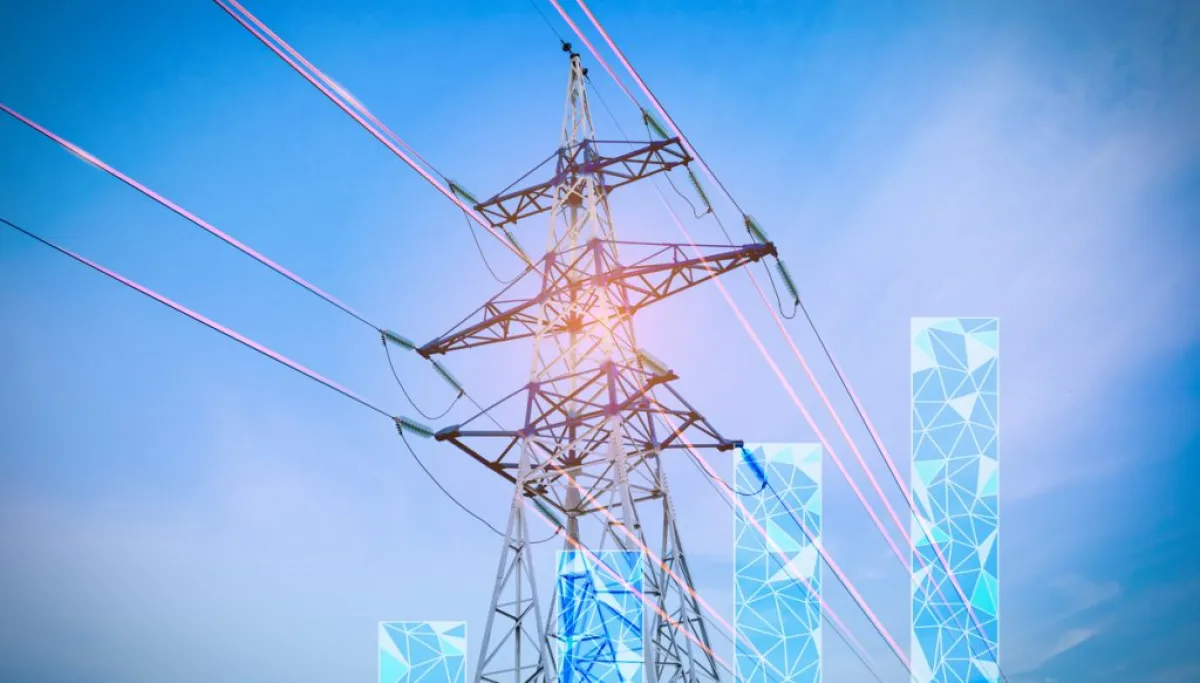
Energy infrastructure has become the primary target in modern warfare, with conflicts in Ukraine and Iran demonstrating how attacks on power grids and oil facilities can cripple economies regardless of domestic production levels.

Dimitris Papafotis
Dimitris Papafotis Editor in Chief
AUGUST 3, 2026 AT 3:28 PM

The conflicts reshaping the 2020s have exposed a critical vulnerability in modern warfare: energy infrastructure has become both the most valuable target and the most exposed weakness in global power competition, forcing a fundamental rethink of how Western nations must prepare for future conflict.

Writing in Washington Examiner, Chet Love examines how recent wars from Ukraine to the Strait of Hormuz have transformed energy from a strategic asset into the central battlefield of contemporary warfare. The strategic lesson is stark: in an age of great power rivalry, no nation can insulate itself from energy warfare, regardless of domestic production levels.

The Ukraine conflict established the blueprint. By September 2024, Russian strikes had obliterated 80% of Ukraine’s thermal power generation capacity and damaged or destroyed over a third of its hydroelectric infrastructure, plunging millions into darkness through brutal winter months. The objective was clear: collapse the economy, shatter industrial capability, and break the will to resist. Ukraine absorbed the punishment but learned from it, launching its own drone offensive against Russian oil facilities that has taken out an estimated 17% of Russia’s refining capacity.

The systematic targeting of power plants, refineries, substations, and critical energy infrastructure is not peripheral to modern military strategy—it is the strategy itself.

The Iran conflict has escalated this template to a global chokepoint. Nearly 20 million barrels of oil once flowed daily through the Strait of Hormuz. The International Energy Agency calculates that only 3.5 million to 5.5 million barrels per day could realistically be redirected through existing Saudi and Emirati alternatives. When Iran threatened that passage, insurance premiums surged worldwide, refiners scrambled for alternatives, and governments with no direct involvement felt immediate impacts on energy costs and supply chains.

The current situation has reached deadlock. Each time the Trump administration signals a deal or near-agreement to reopen the Strait of Hormuz, Iran promptly shuts it down again. The economic pain is not confined to China—the entire world economy is feeling the squeeze.

American Energy Dominance Offers No Shield

The conflict offers a sobering lesson for Western policymakers: American energy dominance does not provide immunity from the consequences of energy warfare. In conflicts fought over energy infrastructure, all sides absorb damage.

Whatever the ultimate outcome regarding Iran’s nuclear capabilities, the Strait of Hormuz now carries a permanent risk premium. Safe and uncontested passage through the strait can never again be taken for granted. The risk has become structural, embedded in global energy calculations regardless of any diplomatic agreement.

The timing of this shift carries enormous consequences. The global infrastructure buildout to power artificial intelligence—encompassing data centers, dedicated power facilities, transmission networks, and critical mineral supply chains—represents the largest coordinated energy infrastructure investment in modern history. The IEA projects 15 to 27 gigawatts of onsite natural gas generation serving American data centers alone by 2030. Worldwide, data center electricity consumption will more than double by decade’s end, reaching over 900 terawatt-hours annually—roughly equivalent to Japan’s total current electricity usage.

Accelerating the Shift to Localized Power

The Iran conflict is speeding up a transformation already in motion. Nations and industries rattled by oil price volatility are accelerating their shift toward localized power generation through solar, nuclear, geothermal, and domestic natural gas. Global corporate power purchase agreements for renewable energy hit record highs in 2025, driven substantially by the imperative to hedge against supply disruptions.

Yet while localized energy generation can reduce risk exposure, it cannot provide complete insulation. Energy infrastructure has emerged as the primary target in modern warfare—precisely the infrastructure the United States and China are pouring trillions of dollars into constructing. In response, Washington is channeling substantial resources into hardening the American power grid against electromagnetic pulse attacks, whether from dedicated EMP weapons or high-altitude bursts generated by intercepted nuclear missiles.

The Strategic Trap of Modern Warfare

These developments reveal the strategic trap that defines 21st-century conflict: energy infrastructure has never been more valuable to national power, and it has never been more vulnerable to attack. Russia, Ukraine, and Iran have all demonstrated that any actor equipped with missiles, mines, small boats, or drones can outmaneuver adversaries by striking their energy sources.

The conflicts of this decade have fundamentally altered the calculus of modern warfare. Energy infrastructure is no longer one battlefield among many—it is the keystone that determines victory or defeat, economic survival or collapse. How America and its allies adapt to this reality will define their strategic position for decades to come.

With information from Washington Examiner

Share:
Dimitris Papafotis
Dimitris Papafotis

Dimitris Papafotis is the editor-in-chief of NewsFire.GR. He was born and raised in Athens. He studied at the Journalism Workshop (1991-1993). He currently lives in Pyrgos, Ilia, where he has been active in radio and various newspapers, while also maintaining his personal blog, Papafotis.gr.

The conflicts reshaping the 2020s have exposed a critical vulnerability in modern warfare: energy infrastructure has become both the most valuable target and the most exposed weakness in global power competition, forcing a fundamental rethink of how Western nations must prepare for future conflict.

Writing in Washington Examiner, Chet Love examines how recent wars from Ukraine to the Strait of Hormuz have transformed energy from a strategic asset into the central battlefield of contemporary warfare. The strategic lesson is stark: in an age of great power rivalry, no nation can insulate itself from energy warfare, regardless of domestic production levels.

The Ukraine conflict established the blueprint. By September 2024, Russian strikes had obliterated 80% of Ukraine’s thermal power generation capacity and damaged or destroyed over a third of its hydroelectric infrastructure, plunging millions into darkness through brutal winter months. The objective was clear: collapse the economy, shatter industrial capability, and break the will to resist. Ukraine absorbed the punishment but learned from it, launching its own drone offensive against Russian oil facilities that has taken out an estimated 17% of Russia’s refining capacity.

The systematic targeting of power plants, refineries, substations, and critical energy infrastructure is not peripheral to modern military strategy—it is the strategy itself.

The Iran conflict has escalated this template to a global chokepoint. Nearly 20 million barrels of oil once flowed daily through the Strait of Hormuz. The International Energy Agency calculates that only 3.5 million to 5.5 million barrels per day could realistically be redirected through existing Saudi and Emirati alternatives. When Iran threatened that passage, insurance premiums surged worldwide, refiners scrambled for alternatives, and governments with no direct involvement felt immediate impacts on energy costs and supply chains.

The current situation has reached deadlock. Each time the Trump administration signals a deal or near-agreement to reopen the Strait of Hormuz, Iran promptly shuts it down again. The economic pain is not confined to China—the entire world economy is feeling the squeeze.

American Energy Dominance Offers No Shield

The conflict offers a sobering lesson for Western policymakers: American energy dominance does not provide immunity from the consequences of energy warfare. In conflicts fought over energy infrastructure, all sides absorb damage.

Whatever the ultimate outcome regarding Iran’s nuclear capabilities, the Strait of Hormuz now carries a permanent risk premium. Safe and uncontested passage through the strait can never again be taken for granted. The risk has become structural, embedded in global energy calculations regardless of any diplomatic agreement.

The timing of this shift carries enormous consequences. The global infrastructure buildout to power artificial intelligence—encompassing data centers, dedicated power facilities, transmission networks, and critical mineral supply chains—represents the largest coordinated energy infrastructure investment in modern history. The IEA projects 15 to 27 gigawatts of onsite natural gas generation serving American data centers alone by 2030. Worldwide, data center electricity consumption will more than double by decade’s end, reaching over 900 terawatt-hours annually—roughly equivalent to Japan’s total current electricity usage.

Accelerating the Shift to Localized Power

The Iran conflict is speeding up a transformation already in motion. Nations and industries rattled by oil price volatility are accelerating their shift toward localized power generation through solar, nuclear, geothermal, and domestic natural gas. Global corporate power purchase agreements for renewable energy hit record highs in 2025, driven substantially by the imperative to hedge against supply disruptions.

Yet while localized energy generation can reduce risk exposure, it cannot provide complete insulation. Energy infrastructure has emerged as the primary target in modern warfare—precisely the infrastructure the United States and China are pouring trillions of dollars into constructing. In response, Washington is channeling substantial resources into hardening the American power grid against electromagnetic pulse attacks, whether from dedicated EMP weapons or high-altitude bursts generated by intercepted nuclear missiles.

The Strategic Trap of Modern Warfare

These developments reveal the strategic trap that defines 21st-century conflict: energy infrastructure has never been more valuable to national power, and it has never been more vulnerable to attack. Russia, Ukraine, and Iran have all demonstrated that any actor equipped with missiles, mines, small boats, or drones can outmaneuver adversaries by striking their energy sources.

The conflicts of this decade have fundamentally altered the calculus of modern warfare. Energy infrastructure is no longer one battlefield among many—it is the keystone that determines victory or defeat, economic survival or collapse. How America and its allies adapt to this reality will define their strategic position for decades to come.

With information from Washington Examiner

