Necessary Cookies

Required for the site to function. Cannot be disabled.

Analytics Cookies

Help us understand how visitors interact with our site (Google Analytics via GTM).

Marketing Cookies

Used to track visitors and deliver personalised advertisements.

We use cookies to enhance your browsing experience and analyse site traffic. By clicking Accept All, you consent to our use of cookies. Privacy Policy
NewsFire Global
Home News Europe World Christianity Culture Wars Opinion Video
Information
About Us Authors Advertising Terms & Conditions Privacy Policy Contact
R2B Media
R2B NEWSFIRE.GR PAPAFOTIS.GR THRACTION HELLENIC CONSERVATIVES RIGHT2THEBONE YT
News World

Vance Warns Israel Critics of Trump’s Iran Deal to Back Off

Vice President JD Vance warned Israeli officials against criticizing President Trump's Iran agreement, saying Israel should not antagonize its only remaining major ally.

Newsroom
Newsroom Staff Writer
JUNE 19, 2026 AT 7:50 PM Updated: Jun 19, 2026 6:09 PM

Vance did not mince words when addressing reporters about the hostile response from some members of Israel’s cabinet, according to New York Post. He noted that certain Israeli cabinet members had launched highly personal attacks against the American president following the controversial agreement.

The Vice President suggested that if he were serving in Israel’s government, he would reconsider the wisdom of antagonizing the sole powerful friend the nation still possesses globally. He emphasized that Donald Trump remains the only head of state worldwide who maintains sympathy toward Israel, and he happens to lead the world’s preeminent superpower.

Israeli Backlash Over Iran Deal

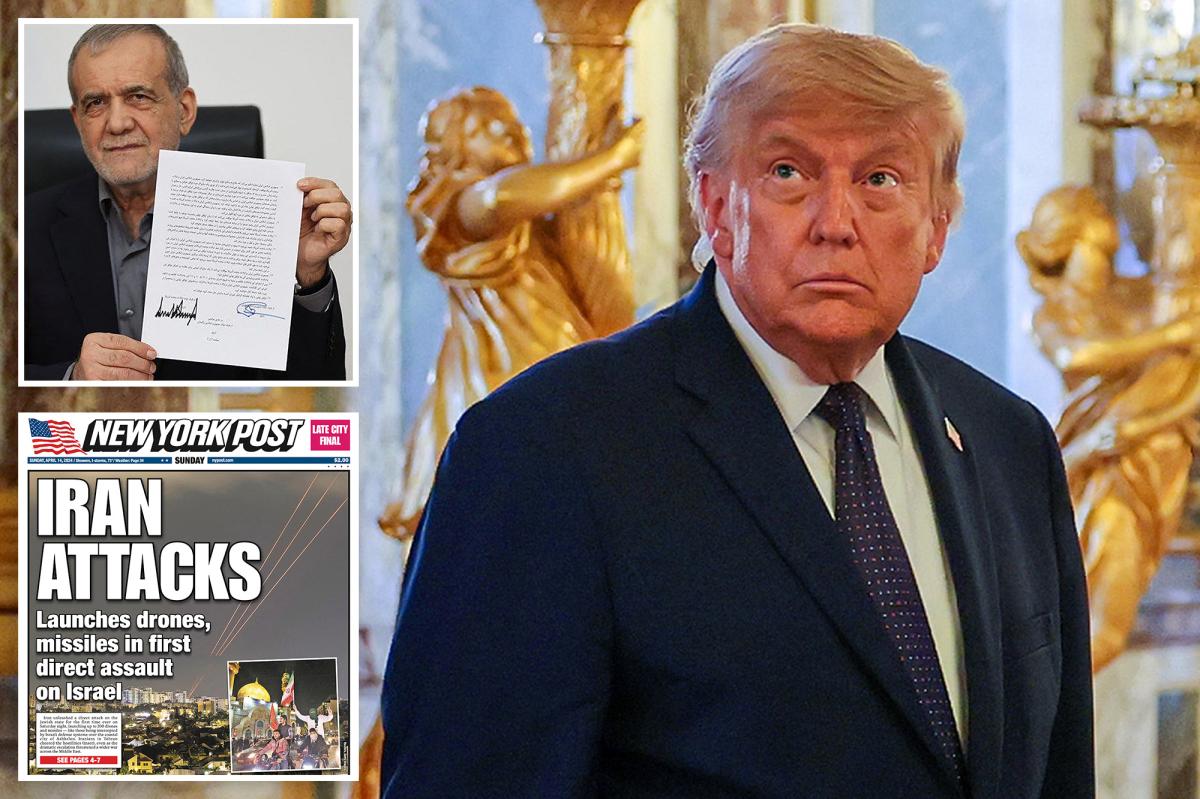
The political storm erupted after Trump signed the ceasefire arrangement with Tehran on Wednesday. Israeli media responded with fierce condemnation, with various commentators characterizing the agreement as a catastrophic capitulation and an abandonment of Israeli security priorities.

The Jewish state had coordinated with Washington in conducting strikes against Iran on February 28, making the sudden diplomatic pivot all the more jarring for Israeli leadership. Politicians in Jerusalem have expressed deep skepticism about Trump’s decision to pursue negotiations with the Iranian regime while simultaneously promoting a ceasefire arrangement.

Key Sticking Points in the Agreement

The memorandum of understanding contains several provisions that directly affect Israeli interests. Most notably, it establishes a unilaterally declared ceasefire between Israel and Hezbollah forces in Lebanon. Critics also point out that the document imposes no restrictions on Iran’s ballistic missile program.

Yechiel Leiter, Israel’s ambassador to the United States, articulated concerns during an appearance on Washington Watch with Tony Perkins on Thursday. He stressed that Tehran’s murderous regime differs fundamentally from other regional powers, warning that any ballistic missiles in their possession will inevitably be deployed against neighboring states, as New York Post reports.

Israeli military forces remain positioned in southern Lebanon, where they have maintained operations for weeks targeting Hezbollah militants. Jerusalem has shown no indication of withdrawing these troops despite the ceasefire declaration.

Nuclear Negotiations and Regional Security

The agreement aims to initiate nuclear negotiations toward a comprehensive deal that would eliminate Iran’s capacity to develop atomic weapons—a critical security requirement for Israel. However, the document offers no guarantees that such an outcome will materialize.

Detractors argue that reducing pressure on Tehran could empower the Islamic Republic without extracting meaningful concessions in return. Defenders of the approach maintain it diminishes the likelihood of wider regional warfare.

American officials have recently highlighted their success in establishing communication channels with Iranian leadership throughout the negotiation process.

Beni Sabti, an Iran specialist at Tel Aviv University’s Institute for National Security Studies and himself Iranian, offered a blunt assessment. He explained that Tehran seeks international guarantees against military action, calling the arrangement highly disadvantageous for the West while serving Iranian interests well.

Political Implications for Netanyahu

The controversy arrives at a precarious moment for Israeli politics, with parliamentary elections anticipated by October. Prime Minister Benjamin Netanyahu finds himself in an increasingly difficult position as he campaigns for another term while managing a rapidly deteriorating relationship with Washington.

The rupture has generated concerns about Netanyahu’s reelection chances and threatens to damage one of America’s most important Middle Eastern partnerships. Israel’s international standing already suffered during the Gaza conflict, with relations with other Western governments taking significant hits.

Israeli political observers report that Netanyahu’s party has scrapped plans to feature the prime minister’s traditionally strong rapport with Trump as a centerpiece of campaign messaging. That relationship had long represented one of his most valuable political assets, especially after Trump facilitated the return of all October 7 hostages.

Trump has publicly criticized Netanyahu repeatedly in recent months, creating an unusual public divide between two leaders who previously maintained close coordination. A longtime Netanyahu confidant captured the atmosphere inside the prime minister’s inner circle when speaking with The New Yorker, stating that Netanyahu has never experienced shock like this—not even during the Obama administration.

With information from New York Post

Share:
Newsroom
Newsroom

NewsFire.GR is a website created with the hope that the media will rediscover their true identity, which is none other than informing the public about the real stakes of our times. Journalism and political analysis must hold power accountable, not serve it.

Vance did not mince words when addressing reporters about the hostile response from some members of Israel’s cabinet, according to New York Post. He noted that certain Israeli cabinet members had launched highly personal attacks against the American president following the controversial agreement.

The Vice President suggested that if he were serving in Israel’s government, he would reconsider the wisdom of antagonizing the sole powerful friend the nation still possesses globally. He emphasized that Donald Trump remains the only head of state worldwide who maintains sympathy toward Israel, and he happens to lead the world’s preeminent superpower.

Israeli Backlash Over Iran Deal

The political storm erupted after Trump signed the ceasefire arrangement with Tehran on Wednesday. Israeli media responded with fierce condemnation, with various commentators characterizing the agreement as a catastrophic capitulation and an abandonment of Israeli security priorities.

The Jewish state had coordinated with Washington in conducting strikes against Iran on February 28, making the sudden diplomatic pivot all the more jarring for Israeli leadership. Politicians in Jerusalem have expressed deep skepticism about Trump’s decision to pursue negotiations with the Iranian regime while simultaneously promoting a ceasefire arrangement.

Key Sticking Points in the Agreement

The memorandum of understanding contains several provisions that directly affect Israeli interests. Most notably, it establishes a unilaterally declared ceasefire between Israel and Hezbollah forces in Lebanon. Critics also point out that the document imposes no restrictions on Iran’s ballistic missile program.

Yechiel Leiter, Israel’s ambassador to the United States, articulated concerns during an appearance on Washington Watch with Tony Perkins on Thursday. He stressed that Tehran’s murderous regime differs fundamentally from other regional powers, warning that any ballistic missiles in their possession will inevitably be deployed against neighboring states, as New York Post reports.

Israeli military forces remain positioned in southern Lebanon, where they have maintained operations for weeks targeting Hezbollah militants. Jerusalem has shown no indication of withdrawing these troops despite the ceasefire declaration.

Nuclear Negotiations and Regional Security

The agreement aims to initiate nuclear negotiations toward a comprehensive deal that would eliminate Iran’s capacity to develop atomic weapons—a critical security requirement for Israel. However, the document offers no guarantees that such an outcome will materialize.

Detractors argue that reducing pressure on Tehran could empower the Islamic Republic without extracting meaningful concessions in return. Defenders of the approach maintain it diminishes the likelihood of wider regional warfare.

American officials have recently highlighted their success in establishing communication channels with Iranian leadership throughout the negotiation process.

Beni Sabti, an Iran specialist at Tel Aviv University’s Institute for National Security Studies and himself Iranian, offered a blunt assessment. He explained that Tehran seeks international guarantees against military action, calling the arrangement highly disadvantageous for the West while serving Iranian interests well.

Political Implications for Netanyahu

The controversy arrives at a precarious moment for Israeli politics, with parliamentary elections anticipated by October. Prime Minister Benjamin Netanyahu finds himself in an increasingly difficult position as he campaigns for another term while managing a rapidly deteriorating relationship with Washington.

The rupture has generated concerns about Netanyahu’s reelection chances and threatens to damage one of America’s most important Middle Eastern partnerships. Israel’s international standing already suffered during the Gaza conflict, with relations with other Western governments taking significant hits.

Israeli political observers report that Netanyahu’s party has scrapped plans to feature the prime minister’s traditionally strong rapport with Trump as a centerpiece of campaign messaging. That relationship had long represented one of his most valuable political assets, especially after Trump facilitated the return of all October 7 hostages.

Trump has publicly criticized Netanyahu repeatedly in recent months, creating an unusual public divide between two leaders who previously maintained close coordination. A longtime Netanyahu confidant captured the atmosphere inside the prime minister’s inner circle when speaking with The New Yorker, stating that Netanyahu has never experienced shock like this—not even during the Obama administration.

With information from New York Post

