Necessary Cookies

Required for the site to function. Cannot be disabled.

Analytics Cookies

Help us understand how visitors interact with our site (Google Analytics via GTM).

Marketing Cookies

Used to track visitors and deliver personalised advertisements.

We use cookies to enhance your browsing experience and analyse site traffic. By clicking Accept All, you consent to our use of cookies. Privacy Policy
NewsFire Global
Home News Europe World Christianity Culture Wars Opinion Video
Information
About Us Authors Advertising Terms & Conditions Privacy Policy Contact
R2B Media
R2B NEWSFIRE.GR PAPAFOTIS.GR THRACTION HELLENIC CONSERVATIVES RIGHT2THEBONE YT
News World

US State Department Warns Americans of Rising Security Threats

American travelers in the Middle East face ongoing security risks despite tentative US-Iran diplomatic talks, with heightened travel warnings remaining across the region.

Newsroom
Newsroom Staff Writer
JUNE 19, 2026 AT 6:20 PM Updated: Jun 19, 2026 6:06 PM

According to New York Post, American officials are urging citizens to remain vigilant as security conditions across the Middle East remain unstable, even as a tentative draft agreement between the United States and Iran could potentially ease some regional tensions.

The proposed agreement, as reported by Fox News Digital, would reportedly reopen the Strait of Hormuz for toll-free passage for a 60-day period, permit limited Iranian oil sales to resume, and restart negotiations concerning Tehran’s nuclear program. These developments could reduce certain travel and energy disruptions should the deal be implemented.

However, the arrangement remains highly uncertain. American officials noted that Iran has not publicly disclosed the draft language, and significant issues remain unresolved, including comprehensive nuclear limitations, sanctions relief, and whether any cessation of hostilities can be sustained.

Despite potential diplomatic progress, US authorities continue to advise Americans abroad to exercise heightened caution. Officials warn that airspace closures, public demonstrations, and threats to American-affiliated locations could disrupt travel plans with minimal advance notice.

In early June, the US Embassy in Jerusalem issued a security alert characterizing the Middle East security environment as complex and subject to rapid change, urging Americans in the region to closely monitor developing situations.

The State Department maintains Level 4 “Do Not Travel” warnings for Iran, Iraq, Lebanon, Syria, Gaza, and Yemen. Level 3 “Reconsider Travel” advisories remain active for Bahrain, Israel, the West Bank, Jordan, Kuwait, Oman, Qatar, Saudi Arabia, and the United Arab Emirates.

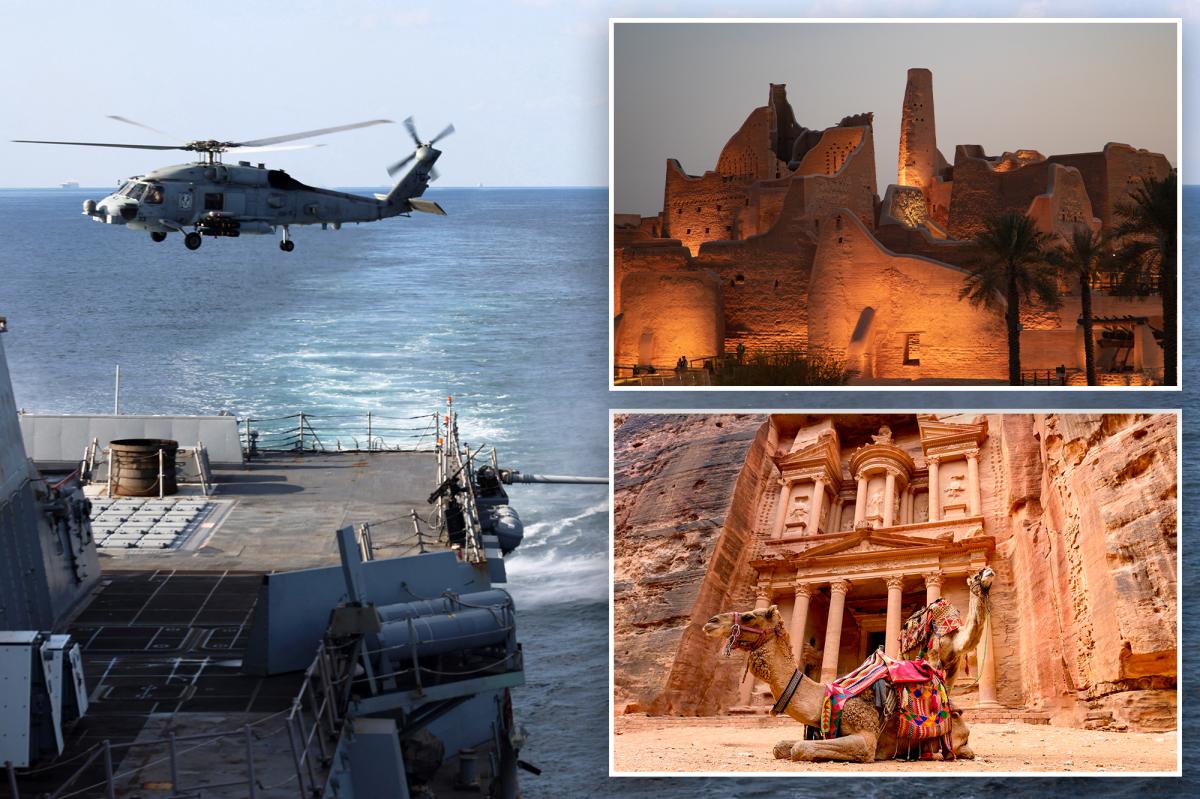
The affected countries include major cultural and tourist destinations, from UNESCO World Heritage Sites such as Persepolis in Iran, Babylon in Iraq, Palmyra in Syria, and the Old City of Sana’a in Yemen, to popular attractions in Level 3 countries including Petra in Jordan, Jerusalem’s Old City, and the Burj Khalifa in Dubai.

The embassy alert instructed Americans to remain aware of their surroundings and avoid all demonstrations and large gatherings. Citizens were also directed to stay clear of areas with heavy police presence, follow local authority instructions, and maintain a low profile.

The State Department recommends Americans abroad follow alerts from the nearest US embassy or consulate, confirm flights and routes directly with airlines, and enroll in the Smart Traveler Enrollment Program, or STEP, to receive security updates.

Notably, the release did not reference Egypt or Constantinople, which both maintain Level 2 travel advisories according to the State Department’s website.

The Middle East warning represents one of several travel advisories issued by American officials this season. In April, US authorities advised Americans to reconsider travel to Azerbaijan, a developing destination for adventure and cultural tourism that shares borders with Russia, Georgia, Armenia, and Iran. That same month, the US Embassy in Trinidad and Tobago issued a reconsider travel warning for the Caribbean nation due to a spike in violent criminal activity threatening public safety.

With information from New York Post

Share:
Newsroom
Newsroom

NewsFire.GR is a website created with the hope that the media will rediscover their true identity, which is none other than informing the public about the real stakes of our times. Journalism and political analysis must hold power accountable, not serve it.

According to New York Post, American officials are urging citizens to remain vigilant as security conditions across the Middle East remain unstable, even as a tentative draft agreement between the United States and Iran could potentially ease some regional tensions.

The proposed agreement, as reported by Fox News Digital, would reportedly reopen the Strait of Hormuz for toll-free passage for a 60-day period, permit limited Iranian oil sales to resume, and restart negotiations concerning Tehran’s nuclear program. These developments could reduce certain travel and energy disruptions should the deal be implemented.

However, the arrangement remains highly uncertain. American officials noted that Iran has not publicly disclosed the draft language, and significant issues remain unresolved, including comprehensive nuclear limitations, sanctions relief, and whether any cessation of hostilities can be sustained.

Despite potential diplomatic progress, US authorities continue to advise Americans abroad to exercise heightened caution. Officials warn that airspace closures, public demonstrations, and threats to American-affiliated locations could disrupt travel plans with minimal advance notice.

In early June, the US Embassy in Jerusalem issued a security alert characterizing the Middle East security environment as complex and subject to rapid change, urging Americans in the region to closely monitor developing situations.

The State Department maintains Level 4 “Do Not Travel” warnings for Iran, Iraq, Lebanon, Syria, Gaza, and Yemen. Level 3 “Reconsider Travel” advisories remain active for Bahrain, Israel, the West Bank, Jordan, Kuwait, Oman, Qatar, Saudi Arabia, and the United Arab Emirates.

The affected countries include major cultural and tourist destinations, from UNESCO World Heritage Sites such as Persepolis in Iran, Babylon in Iraq, Palmyra in Syria, and the Old City of Sana’a in Yemen, to popular attractions in Level 3 countries including Petra in Jordan, Jerusalem’s Old City, and the Burj Khalifa in Dubai.

The embassy alert instructed Americans to remain aware of their surroundings and avoid all demonstrations and large gatherings. Citizens were also directed to stay clear of areas with heavy police presence, follow local authority instructions, and maintain a low profile.

The State Department recommends Americans abroad follow alerts from the nearest US embassy or consulate, confirm flights and routes directly with airlines, and enroll in the Smart Traveler Enrollment Program, or STEP, to receive security updates.

Notably, the release did not reference Egypt or Constantinople, which both maintain Level 2 travel advisories according to the State Department’s website.

The Middle East warning represents one of several travel advisories issued by American officials this season. In April, US authorities advised Americans to reconsider travel to Azerbaijan, a developing destination for adventure and cultural tourism that shares borders with Russia, Georgia, Armenia, and Iran. That same month, the US Embassy in Trinidad and Tobago issued a reconsider travel warning for the Caribbean nation due to a spike in violent criminal activity threatening public safety.

With information from New York Post

