Necessary Cookies

Required for the site to function. Cannot be disabled.

Analytics Cookies

Help us understand how visitors interact with our site (Google Analytics via GTM).

Marketing Cookies

Used to track visitors and deliver personalised advertisements.

We use cookies to enhance your browsing experience and analyse site traffic. By clicking Accept All, you consent to our use of cookies. Privacy Policy
NewsFire Global
Home News Europe World Christianity Culture Wars Opinion
Information
About Us Authors Advertising Terms & Conditions Privacy Policy Contact
R2B Media
R2B NEWSFIRE.GR PAPAFOTIS.GR THRACTION HELLENIC CONSERVATIVES RIGHT2THEBONE YT
News Europe

US Reduces Weapons Stockpile for NATO Emergencies in Europe

The United States will drastically cut its NATO military commitments including fighter jets, warships and drones while maintaining its nuclear umbrella, forcing European allies to fill the gaps.

Dimitris Papafotis
Dimitris Papafotis Editor in Chief
MAY 27, 2026 AT 12:02 AM

Alexander Velez-Green, senior advisor to the US Secretary of Defense for war policy, informed NATO member state officials at alliance headquarters in Brussels that Washington will drastically scale back its contributions to joint defense planning, according to Junge Freiheit. The cuts will affect fighter jets, warships, drones and refueling aircraft previously earmarked for European defense.

American Share of NATO Forces to Drop Significantly

The United States plans to substantially reduce its participation in the NATO Force Model, the framework that governs how alliance partners organize, manage and maintain troops and military equipment for collective defense. Until now, American contributions have accounted for approximately half of all forces and equipment in the model.

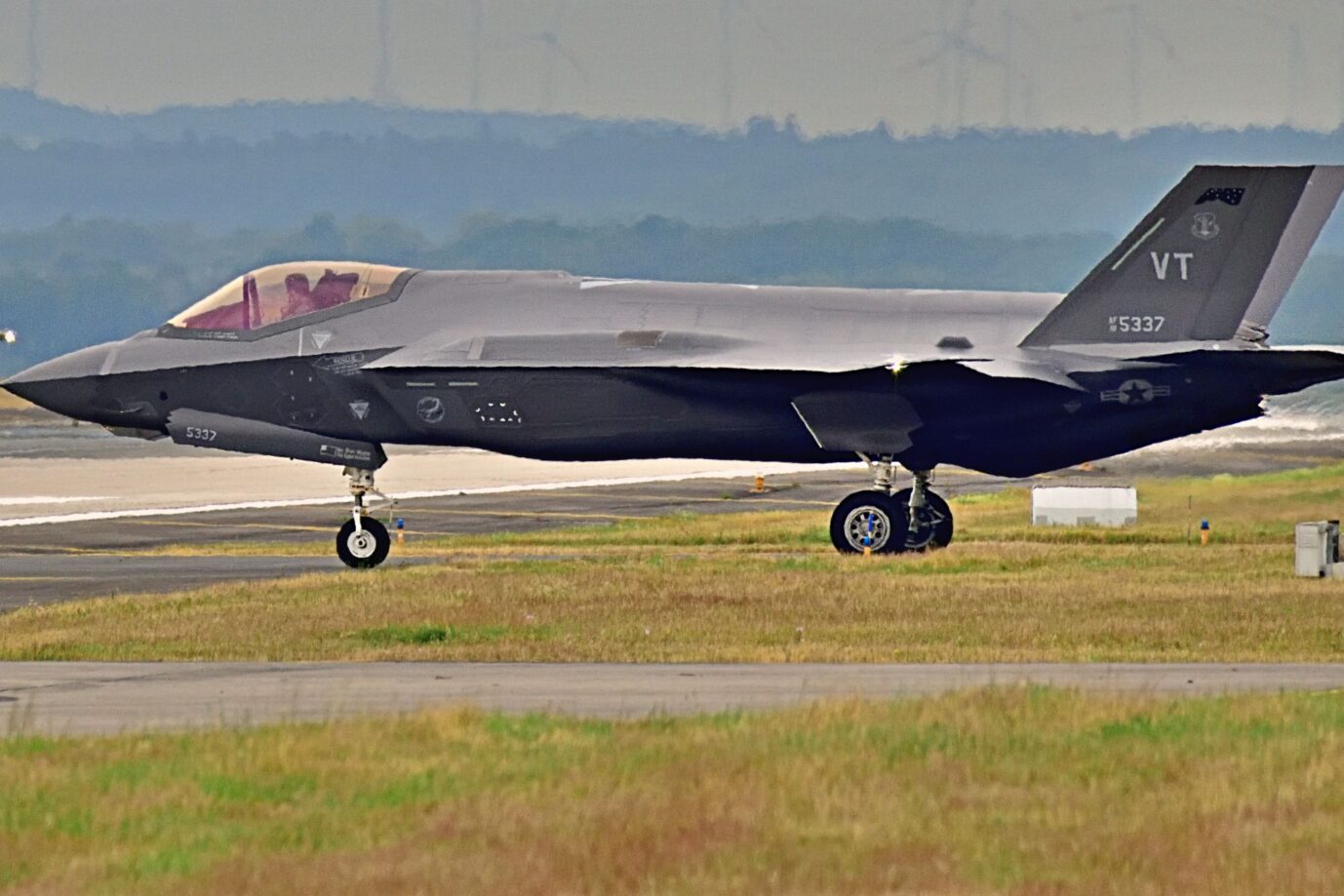
Specific reductions include a one-third cut in fighter jet commitments and fewer strategic bombers allocated to NATO operations. The US will also provide fewer destroyers and plans to retain all submarines for its own use rather than making them available to the alliance. Reconnaissance drones will no longer be supplied, while armed drone availability will be significantly reduced.

Nuclear Umbrella Remains, Conventional Defense Does Not

Velez-Green reportedly assured European partners that the United States would maintain its nuclear deterrence commitments in Europe. However, conventional defense responsibilities will now fall squarely on European members of the alliance to shoulder themselves.

NATO allies have been instructed to close the emerging gaps quickly. Washington expects concrete proposals by the next Force Sourcing Conference in early June, identifying which countries can compensate for the American reductions. The United States indicated it stands ready to cooperate with any NATO partner willing to act swiftly.

Strategic Bomber and Carrier Shortfalls Pose Major Challenge

Among the most difficult capabilities to replace will be strategic bombers capable of carrying nuclear weapons and aircraft carrier capacity. The US had previously committed supercarriers to NATO defense planning in the event of crisis. European carriers are considerably smaller and less capable than their American counterparts, making equivalent replacement virtually impossible.

Indo-Pacific Pivot Drives Policy Shift

An American military source told Junge Freiheit that the withdrawal from European commitments stems from Washington’s desire for greater flexibility in the event of conflict in the Indo-Pacific region. The administration does not want to be constrained by NATO commitments if military assets are urgently needed elsewhere.

A spokeswoman for NATO Secretary General Mark Rutte acknowledged there had been excessive dependence on the United States in NATO force planning in the past. She noted that Europe and Canada are now investing more in defense, allowing for a shift in the weight of responsibility within the alliance.

With information from Junge Freiheit

Share:
Dimitris Papafotis
Dimitris Papafotis

Dimitris Papafotis is the editor-in-chief of NewsFire.GR. He was born and raised in Athens. He studied at the Journalism Workshop (1991-1993). He currently lives in Pyrgos, Ilia, where he has been active in radio and various newspapers, while also maintaining his personal blog, Papafotis.gr.

Alexander Velez-Green, senior advisor to the US Secretary of Defense for war policy, informed NATO member state officials at alliance headquarters in Brussels that Washington will drastically scale back its contributions to joint defense planning, according to Junge Freiheit. The cuts will affect fighter jets, warships, drones and refueling aircraft previously earmarked for European defense.

American Share of NATO Forces to Drop Significantly

The United States plans to substantially reduce its participation in the NATO Force Model, the framework that governs how alliance partners organize, manage and maintain troops and military equipment for collective defense. Until now, American contributions have accounted for approximately half of all forces and equipment in the model.

Specific reductions include a one-third cut in fighter jet commitments and fewer strategic bombers allocated to NATO operations. The US will also provide fewer destroyers and plans to retain all submarines for its own use rather than making them available to the alliance. Reconnaissance drones will no longer be supplied, while armed drone availability will be significantly reduced.

Nuclear Umbrella Remains, Conventional Defense Does Not

Velez-Green reportedly assured European partners that the United States would maintain its nuclear deterrence commitments in Europe. However, conventional defense responsibilities will now fall squarely on European members of the alliance to shoulder themselves.

NATO allies have been instructed to close the emerging gaps quickly. Washington expects concrete proposals by the next Force Sourcing Conference in early June, identifying which countries can compensate for the American reductions. The United States indicated it stands ready to cooperate with any NATO partner willing to act swiftly.

Strategic Bomber and Carrier Shortfalls Pose Major Challenge

Among the most difficult capabilities to replace will be strategic bombers capable of carrying nuclear weapons and aircraft carrier capacity. The US had previously committed supercarriers to NATO defense planning in the event of crisis. European carriers are considerably smaller and less capable than their American counterparts, making equivalent replacement virtually impossible.

Indo-Pacific Pivot Drives Policy Shift

An American military source told Junge Freiheit that the withdrawal from European commitments stems from Washington’s desire for greater flexibility in the event of conflict in the Indo-Pacific region. The administration does not want to be constrained by NATO commitments if military assets are urgently needed elsewhere.

A spokeswoman for NATO Secretary General Mark Rutte acknowledged there had been excessive dependence on the United States in NATO force planning in the past. She noted that Europe and Canada are now investing more in defense, allowing for a shift in the weight of responsibility within the alliance.

With information from Junge Freiheit

