
US-Iran Deal Signing in Doubt as 14-Point Plan Goes Remote
A U.S.-Iran agreement ending hostilities is expected within 48 hours and will reopen the Strait of Hormuz and begin a 60-day period to lift sanctions and curtail Iran's nuclear program.
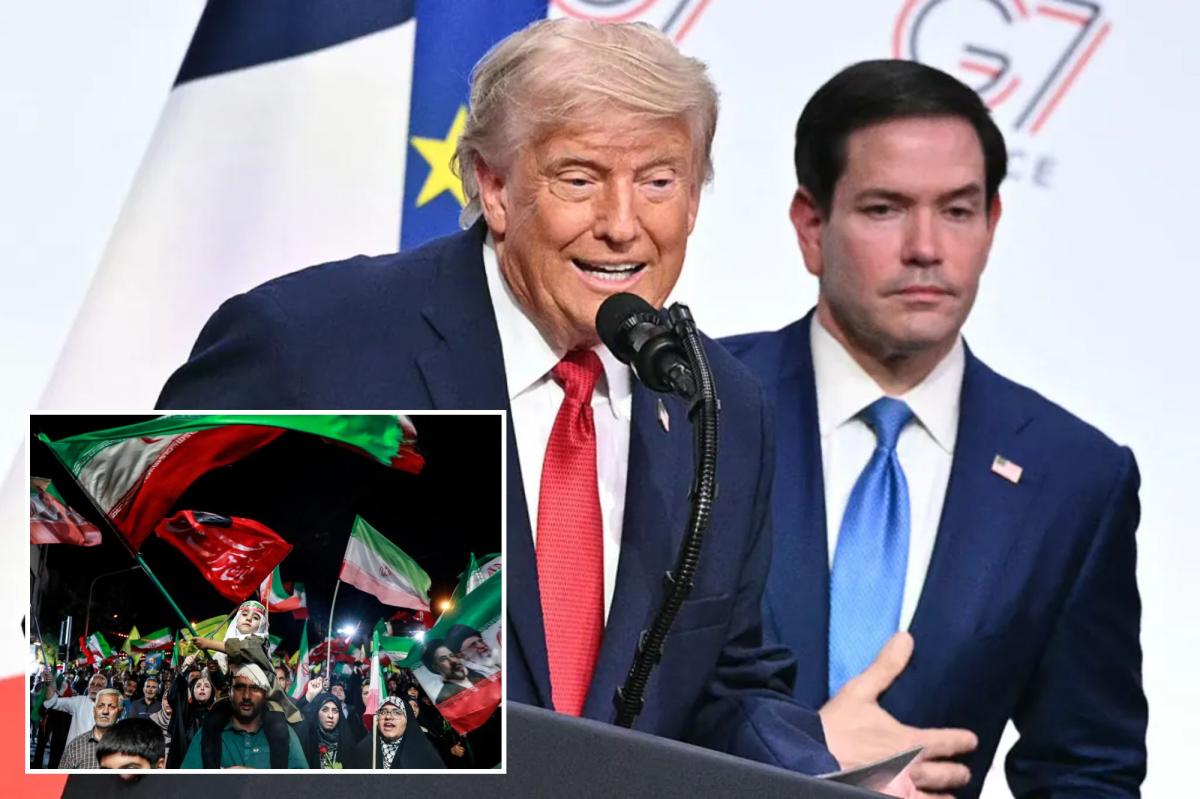

The official indicated that plans for a formal signing ceremony in Geneva on Friday may be adjusted. There’s talk right now about maybe just having it signed remotely, the source explained, while confirming that officials would still meet on Friday to review implementation details.
The Memorandum of Understanding is being characterized as primarily a political document that will establish the framework for a 60-day negotiation period. During this window, the administration intends to pursue the lifting of economic sanctions against Tehran, curtail Iran’s nuclear program, and create a reconstruction fund for the Persian Gulf nation.
Strait of Hormuz to Reopen
Once officially signed, the agreement will trigger the reopening of the Strait of Hormuz, a critical maritime chokepoint through which approximately one-fifth to one-quarter of global seaborne oil shipments pass. A regional cease-fire will also take effect, extending to other nations including Lebanon.
The sanctions relief will include waivers permitting Iran and neighboring Persian Gulf states to dramatically increase oil production. The official described the strategy as pumping oil aggressively to build up global reserves as a hedge against future instability in the region.
Electronic Signatures Already Completed
As New York Post reports, President Trump, Vice President JD Vance, and Iran’s parliament speaker Mohammad-Bagher Ghalibaf electronically signed the document on Monday, according to administration officials. The Geneva ceremony on June 19 had originally been planned as the venue for a formal signing.
While attending the G7 summit in Geneva earlier this week, President Trump expressed confidence about the deal’s prospects when questioned by reporters on Wednesday. He made clear that the United States expects Iran to honor not only the written terms but also certain understandings that remain uncodified, warning that failure to comply would result in renewed military action.
The agreement represents a significant shift in Middle East policy, with the administration betting that economic incentives combined with credible military deterrence will curb Iranian aggression and nuclear development.
With information from New York Post





