Necessary Cookies

Required for the site to function. Cannot be disabled.

Analytics Cookies

Help us understand how visitors interact with our site (Google Analytics via GTM).

Marketing Cookies

Used to track visitors and deliver personalised advertisements.

We use cookies to enhance your browsing experience and analyse site traffic. By clicking Accept All, you consent to our use of cookies. Privacy Policy
NewsFire Global
Home News Europe World Christianity Culture Wars Opinion Video
Information
About Us Authors Advertising Terms & Conditions Privacy Policy Contact
R2B Media
R2B NEWSFIRE.GR PAPAFOTIS.GR THRACTION HELLENIC CONSERVATIVES RIGHT2THEBONE YT
News World

US-Iran Deal Moving Closer to Reality

President Trump is deliberating with advisors on a potential Iran deal involving nuclear disarmament and opening the Strait of Hormuz, though Tehran remains skeptical.

Newsroom
Newsroom Staff Writer
MAY 30, 2026 AT 7:06 AM

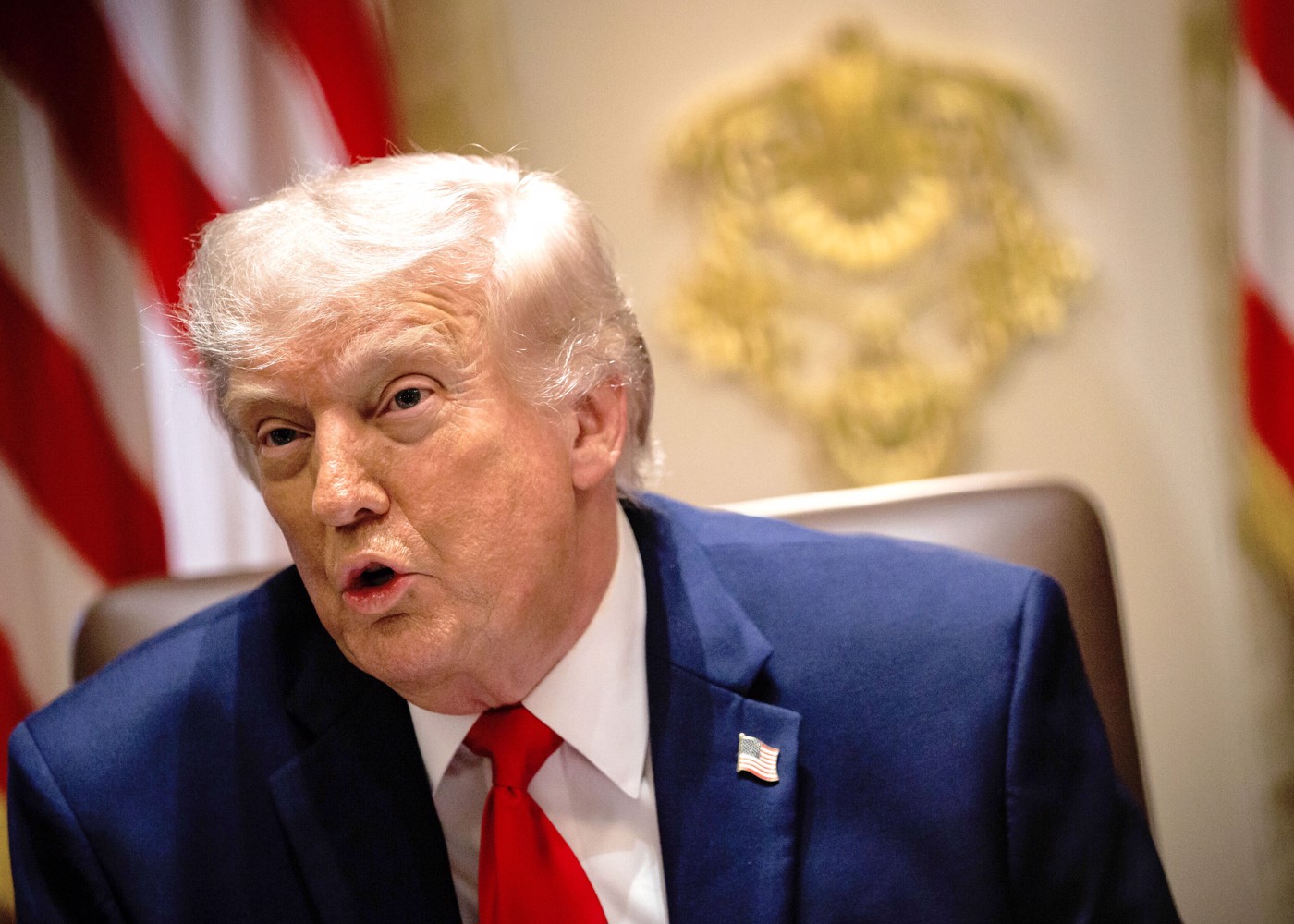
President Donald Trump is meeting with advisors in the White House Situation Room to decide whether to approve a potential agreement with Iran, as Nius reports. The president announced his deliberations on Truth Social, outlining key terms of the proposed deal while Tehran signals continued mistrust of American intentions.

Donald Trump revealed the high-stakes discussions in a lengthy post on his social media platform, stating he would make a final decision after consulting with his team. The framework agreement centers on nuclear disarmament, maritime security in the Strait of Hormuz, and strict verification measures.

According to the president’s outline, Iran must agree never to possess nuclear weapons or nuclear bombs. The Strait of Hormuz must be opened immediately without fees or restrictions on shipping traffic. Trump also demanded that mines laid by Iran in the strategic waterway be removed.

The American side would lift its blockade of the strait, allowing ships currently stuck in the passage to resume their journeys. On the sensitive issue of Iran’s stockpile of highly enriched uranium, Trump stated that it would be located by the United States and destroyed in coordination with Iran. He emphasized that no money would flow for the time being, apparently referring to financial relief for Iran as part of the package.

However, nothing has been signed yet. Iranian Parliament Speaker Mohammed Bagher Ghalibaf expressed deep skepticism about any potential agreement with Washington.

The senior Iranian politician wrote on X that his country trusts neither guarantees nor words, declaring that only actions matter. Ghalibaf added that the true winner of any agreement would be whoever is better prepared for war the day after. He claimed Iran does not obtain concessions through negotiations but through missiles.

The apparent movement toward a deal comes amid heightened tensions in the Persian Gulf region, where the Strait of Hormuz serves as a critical chokepoint for global oil shipments. The Trump administration has maintained maximum pressure on Tehran while leaving diplomatic channels open for potential breakthrough agreements.

The verification and enforcement mechanisms for any nuclear agreement remain central sticking points, particularly given Iran’s history of uranium enrichment activities and American concerns about covert weapons development programs.

With information from Nius

Share:
Newsroom
Newsroom

NewsFire.GR is a website created with the hope that the media will rediscover their true identity, which is none other than informing the public about the real stakes of our times. Journalism and political analysis must hold power accountable, not serve it.

President Donald Trump is meeting with advisors in the White House Situation Room to decide whether to approve a potential agreement with Iran, as Nius reports. The president announced his deliberations on Truth Social, outlining key terms of the proposed deal while Tehran signals continued mistrust of American intentions.

Donald Trump revealed the high-stakes discussions in a lengthy post on his social media platform, stating he would make a final decision after consulting with his team. The framework agreement centers on nuclear disarmament, maritime security in the Strait of Hormuz, and strict verification measures.

According to the president’s outline, Iran must agree never to possess nuclear weapons or nuclear bombs. The Strait of Hormuz must be opened immediately without fees or restrictions on shipping traffic. Trump also demanded that mines laid by Iran in the strategic waterway be removed.

The American side would lift its blockade of the strait, allowing ships currently stuck in the passage to resume their journeys. On the sensitive issue of Iran’s stockpile of highly enriched uranium, Trump stated that it would be located by the United States and destroyed in coordination with Iran. He emphasized that no money would flow for the time being, apparently referring to financial relief for Iran as part of the package.

However, nothing has been signed yet. Iranian Parliament Speaker Mohammed Bagher Ghalibaf expressed deep skepticism about any potential agreement with Washington.

The senior Iranian politician wrote on X that his country trusts neither guarantees nor words, declaring that only actions matter. Ghalibaf added that the true winner of any agreement would be whoever is better prepared for war the day after. He claimed Iran does not obtain concessions through negotiations but through missiles.

The apparent movement toward a deal comes amid heightened tensions in the Persian Gulf region, where the Strait of Hormuz serves as a critical chokepoint for global oil shipments. The Trump administration has maintained maximum pressure on Tehran while leaving diplomatic channels open for potential breakthrough agreements.

The verification and enforcement mechanisms for any nuclear agreement remain central sticking points, particularly given Iran’s history of uranium enrichment activities and American concerns about covert weapons development programs.

With information from Nius

