Necessary Cookies

Required for the site to function. Cannot be disabled.

Analytics Cookies

Help us understand how visitors interact with our site (Google Analytics via GTM).

Marketing Cookies

Used to track visitors and deliver personalised advertisements.

We use cookies to enhance your browsing experience and analyse site traffic. By clicking Accept All, you consent to our use of cookies. Privacy Policy
NewsFire Global
Home News Europe World Christianity Culture Wars Opinion Video
Information
About Us Authors Advertising Terms & Conditions Privacy Policy Contact
R2B Media
R2B NEWSFIRE.GR PAPAFOTIS.GR THRACTION HELLENIC CONSERVATIVES RIGHT2THEBONE YT
News World

US Bombs Iran Again – Strait of Hormuz Reportedly Blocked

The U.S. and Iran exchanged heavy military strikes for a second night, with Iran blockading the Strait of Hormuz as a fragile two-month ceasefire appears to be unraveling.

Newsroom
Newsroom Staff Writer
JUNE 11, 2026 AT 4:20 PM

According to Nius, Iran’s military responded to fresh American airstrikes by announcing a complete blockade of the Strait of Hormuz and launching retaliatory attacks against targets in the Gulf states of Bahrain and Kuwait. Iranian military leadership declared that any vessel attempting to pass through the strategically vital waterway would be attacked. State-run broadcasting reported that two ships had already come under fire.

The claims and counterclaims flew rapidly. U.S. Central Command took to X to dispute the Iranian announcement, stating that commercial shipping continued to move freely through the Strait of Hormuz. Iranian state media dismissed this as false. U.S. military operations were eventually paused in the early morning hours, Centcom confirmed via social media.

American forces targeted military reconnaissance facilities, communications systems, and air defense positions across Iran that posed threats to U.S. personnel and international commercial vessels, according to the regional command. The statement emphasized that American forces remain vigilant and combat-ready.

Iranian state media reported explosions near several port cities along the southern coast, with two people injured. The Irna news agency and state broadcasting documented blasts near the cities of Minab and Sirik, as well as on Gheschm Island and in the port city of Bandar Abbas.
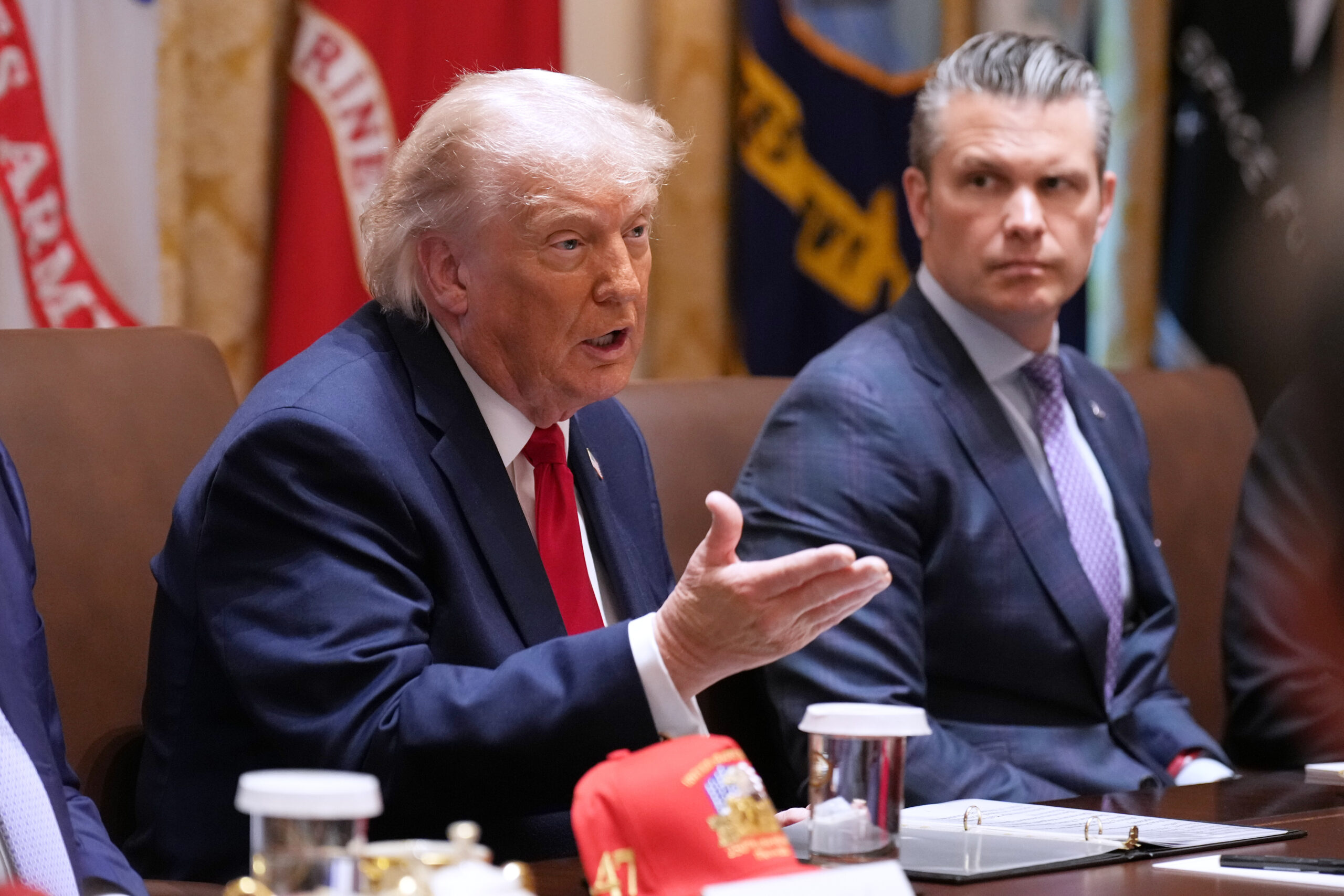
US-Präsident Trump und US-Verteidigungsminster Pete Hegseth im Cabinet Room des Weißen Hauses
Photo: nius.de

Strikes also occurred near the Iranian capital. State broadcasting reported explosions in Karadj, a commuter city just kilometers from Tehran. Combat drones were reportedly sighted further west of Karadj, though details remained scarce.

The escalation follows Wednesday night’s U.S. strikes, which targeted Iranian air defense installations, ground control stations, and radar facilities in retaliation for the downing of an American combat helicopter. Iran responded by attacking U.S. installations throughout the Gulf region.
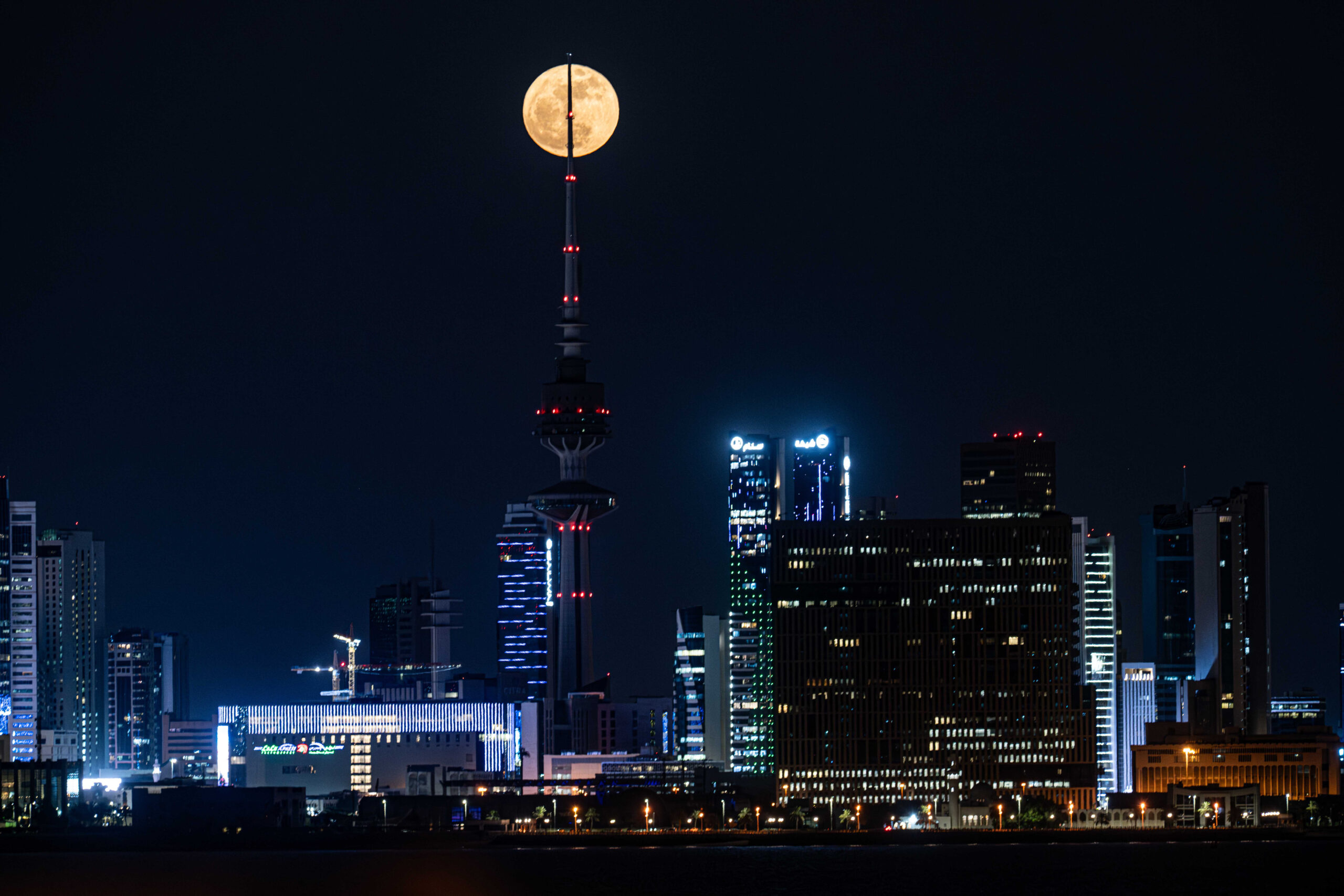
Der Luftraum über Kuwait ist seit dem frühen Morgen gesperrt. (Archivbild)
Photo: nius.de

Iranian forces launched fresh attacks on targets in Bahrain and Kuwait in response to the renewed American airstrikes. Kuwaiti aviation authorities closed the country’s airspace to civilian traffic early in the morning as air defenses went operational, the army announced.

Sirens wailed across Bahrain as well, with the Interior Ministry urging residents to remain calm and seek the nearest safe location.

Iran’s Revolutionary Guards, the country’s elite military force, claimed responsibility for attacking the regional headquarters of the U.S. Navy in Bahrain with kamikaze drones, targeting air defense systems. The Guards also struck a U.S. Air Force base in Bahrain and two bases in Kuwait, bringing the total to 18 targets, according to Iranian military statements broadcast on state media.

Both Gulf states host critical American military installations located just hundreds of kilometers from Iranian territory. These facilities have repeatedly come under Iranian rocket and drone fire in recent weeks.

Donald Trump accused Tehran of severely violating the existing ceasefire, according to media reports. The American president called it the most frequently broken ceasefire in the history of the world, a Fox News reporter quoted from a conversation with Trump. The specific incident Trump referenced with this accusation remained unclear.
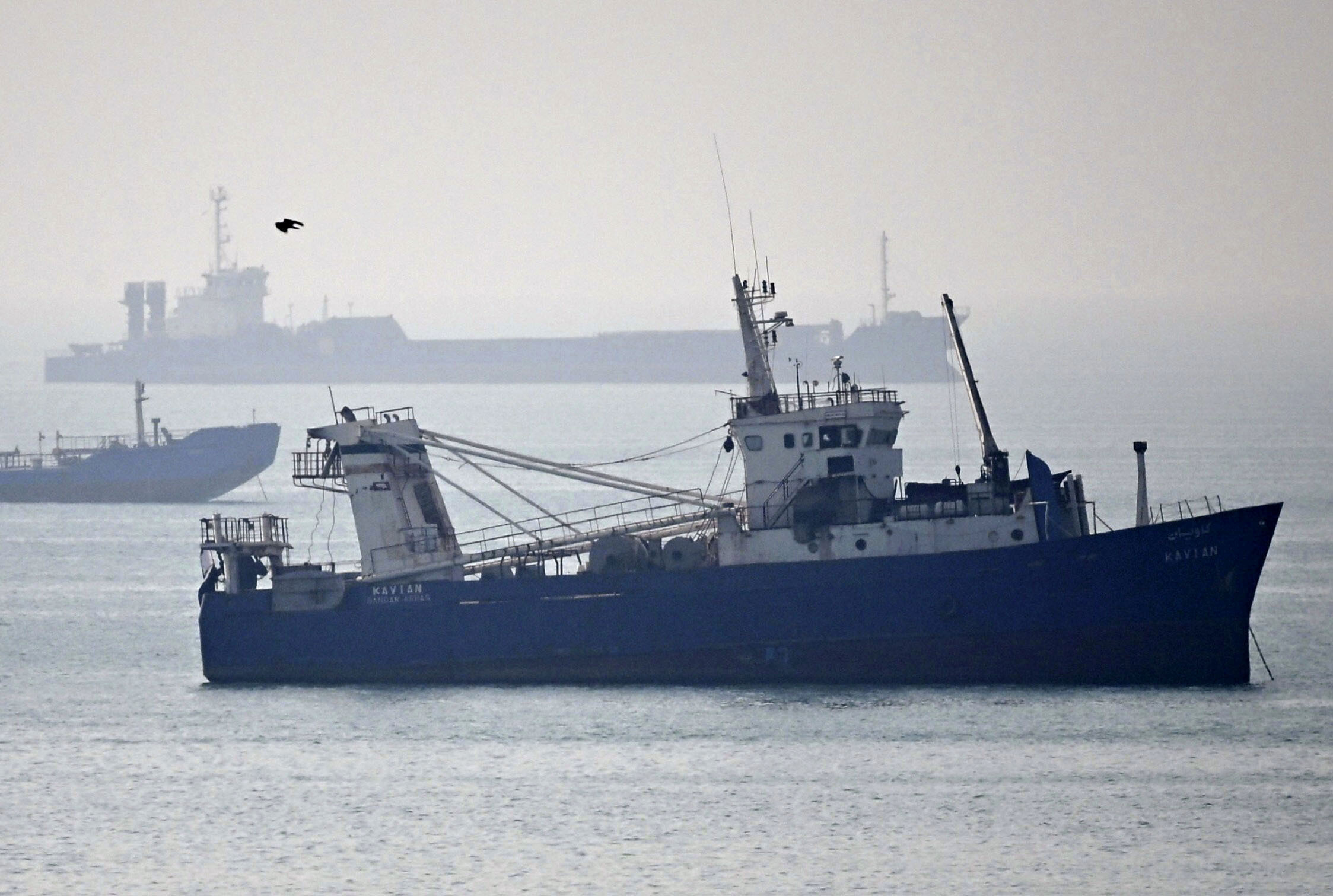
Schiffe in der Straße von Hormus (Archivfoto aus dem Mai)
Photo: nius.de

While Trump indicated that bombardments would cease shortly, Fox News reporter Trey Yingst reported on X that the president also issued a stark warning. Should Tehran refuse to sign a framework agreement to end the war, Trump threatened, America would bomb Iran into the ground.

Iran’s military headquarters officially justified the reported total closure of the Strait of Hormuz by citing a changed security situation following the renewed U.S. attacks. All ships were prohibited from passing through the waterway, including oil tankers and cargo vessels, according to the announcement.

The Islamic Republic had largely brought traffic through the strait to a standstill shortly after the war began in late February through threats and attacks on shipping. Tehran has recently emphasized its control over the Strait of Hormuz, through which a significant portion of global oil and gas trade passes.

With information from Nius

Share:
Newsroom
Newsroom

NewsFire.GR is a website created with the hope that the media will rediscover their true identity, which is none other than informing the public about the real stakes of our times. Journalism and political analysis must hold power accountable, not serve it.

According to Nius, Iran’s military responded to fresh American airstrikes by announcing a complete blockade of the Strait of Hormuz and launching retaliatory attacks against targets in the Gulf states of Bahrain and Kuwait. Iranian military leadership declared that any vessel attempting to pass through the strategically vital waterway would be attacked. State-run broadcasting reported that two ships had already come under fire.

The claims and counterclaims flew rapidly. U.S. Central Command took to X to dispute the Iranian announcement, stating that commercial shipping continued to move freely through the Strait of Hormuz. Iranian state media dismissed this as false. U.S. military operations were eventually paused in the early morning hours, Centcom confirmed via social media.

American forces targeted military reconnaissance facilities, communications systems, and air defense positions across Iran that posed threats to U.S. personnel and international commercial vessels, according to the regional command. The statement emphasized that American forces remain vigilant and combat-ready.

Iranian state media reported explosions near several port cities along the southern coast, with two people injured. The Irna news agency and state broadcasting documented blasts near the cities of Minab and Sirik, as well as on Gheschm Island and in the port city of Bandar Abbas.

US-Präsident Trump und US-Verteidigungsminster Pete Hegseth im Cabinet Room des Weißen Hauses
Photo: nius.de

Strikes also occurred near the Iranian capital. State broadcasting reported explosions in Karadj, a commuter city just kilometers from Tehran. Combat drones were reportedly sighted further west of Karadj, though details remained scarce.

The escalation follows Wednesday night’s U.S. strikes, which targeted Iranian air defense installations, ground control stations, and radar facilities in retaliation for the downing of an American combat helicopter. Iran responded by attacking U.S. installations throughout the Gulf region.

Der Luftraum über Kuwait ist seit dem frühen Morgen gesperrt. (Archivbild)
Photo: nius.de

Iranian forces launched fresh attacks on targets in Bahrain and Kuwait in response to the renewed American airstrikes. Kuwaiti aviation authorities closed the country’s airspace to civilian traffic early in the morning as air defenses went operational, the army announced.

Sirens wailed across Bahrain as well, with the Interior Ministry urging residents to remain calm and seek the nearest safe location.

Iran’s Revolutionary Guards, the country’s elite military force, claimed responsibility for attacking the regional headquarters of the U.S. Navy in Bahrain with kamikaze drones, targeting air defense systems. The Guards also struck a U.S. Air Force base in Bahrain and two bases in Kuwait, bringing the total to 18 targets, according to Iranian military statements broadcast on state media.

Both Gulf states host critical American military installations located just hundreds of kilometers from Iranian territory. These facilities have repeatedly come under Iranian rocket and drone fire in recent weeks.

Donald Trump accused Tehran of severely violating the existing ceasefire, according to media reports. The American president called it the most frequently broken ceasefire in the history of the world, a Fox News reporter quoted from a conversation with Trump. The specific incident Trump referenced with this accusation remained unclear.

Schiffe in der Straße von Hormus (Archivfoto aus dem Mai)
Photo: nius.de

While Trump indicated that bombardments would cease shortly, Fox News reporter Trey Yingst reported on X that the president also issued a stark warning. Should Tehran refuse to sign a framework agreement to end the war, Trump threatened, America would bomb Iran into the ground.

Iran’s military headquarters officially justified the reported total closure of the Strait of Hormuz by citing a changed security situation following the renewed U.S. attacks. All ships were prohibited from passing through the waterway, including oil tankers and cargo vessels, according to the announcement.

The Islamic Republic had largely brought traffic through the strait to a standstill shortly after the war began in late February through threats and attacks on shipping. Tehran has recently emphasized its control over the Strait of Hormuz, through which a significant portion of global oil and gas trade passes.

With information from Nius

